Top Washai Kimono Sewing Workshops & Masterclasses 2026
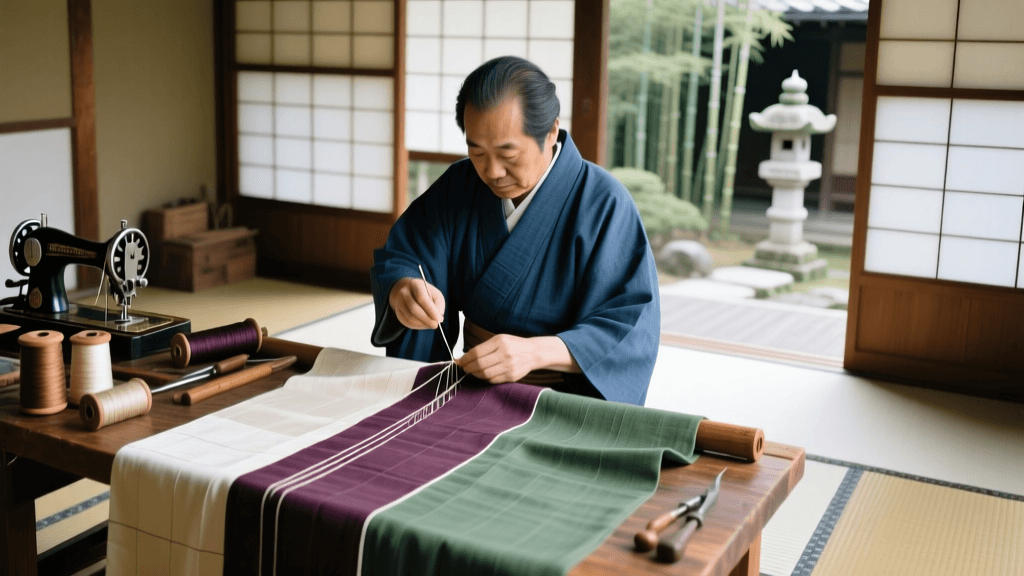
The Revival of Washai: Traditional Kimono Sewing in 2026
In an era dominated by fast fashion and automated manufacturing, the ancient Japanese art of Washai (和裁)—traditional kimono sewing—has experienced a profound renaissance. As of 2026, a new wave of cultural preservation grants and a global pivot toward sustainable, zero-waste garment construction have propelled Washai workshops into the spotlight. Unlike Western tailoring (Yosai), which relies on curved seams and cutting away excess fabric, Washai is built on the philosophy of preservation. Garments are constructed using straight lines, allowing a kimono to be entirely unmade, cleaned, resized, and resewn across multiple generations.
For textile enthusiasts, fashion historians, and aspiring artisans, 2026 offers an unprecedented array of in-person and hybrid masterclasses. Whether you are looking to spend a month in a Kyoto atelier or join a weekend hybrid seminar, learning the meticulous art of Japanese garment making is more accessible—and more vital—than ever before.
The Philosophy and Geometry of Washai
To understand Washai is to understand the geometry of the kimono. According to The Metropolitan Museum of Art's Heilbrunn Timeline of Art History, the fundamental T-shape structure of the kimono has remained remarkably consistent for centuries, evolving from the kosode of the Edo period into the modern garments we see today. This structural continuity is entirely dependent on Washai techniques.
A standard kimono is constructed from a single bolt of fabric known as a tanmono, which measures approximately 36 centimeters in width and 11.5 meters in length. The genius of Washai lies in the fact that almost zero fabric is wasted. The bolt is cut into specific rectangular panels—two for the body, two for the sleeves, and narrower strips for the collar and overlapping front panels. Master artisans teach students how to manipulate these rigid geometric constraints to fit the human form through draping and precise folding, rather than through curved darts or tailored seams.
Core Techniques Taught in Modern Washai Seminars
When you enroll in a 2026 Washai masterclass, the curriculum moves far beyond simple stitching. Instructors emphasize the tactile relationship between the artisan, the tools, and the textile. Key techniques covered in comprehensive seminars include:
- Yudanoshi (Fabric Preparation): Before a single cut is made, the silk or cotton must be steamed and stretched to align the grain and pre-shrink the fibers. Students learn to read the tension of the fabric, a critical skill when working with delicate 2026 heritage silks from the Nishijin district.
- Hon-bari (Main Stitching): The foundational running stitch of Washai. Students are trained to maintain a microscopic consistency of exactly 2.5 to 3 millimeters per stitch, ensuring the seam is both flexible and incredibly strong.
- Kaeri-bari (Seam Folding): Using a specialized bamboo spatula, artisans fold the seam allowances flat without the use of a Western steam iron, preventing water spots on delicate silks.
- Kuke (Blind Stitching): Used primarily for hems and sleeve openings, this nearly invisible stitch requires the artisan to catch only a single thread of the face fabric, a technique that takes weeks of seminar practice to master.
Top In-Person Workshops in Kyoto and Tokyo (2026 Schedule)
Japan remains the undisputed epicenter for Washai education. In 2026, cultural tourism boards and local artisan guilds have partnered to offer immersive retreats. The Japan National Tourism Organization (JNTO) highly recommends booking these specialized craft retreats at least six months in advance due to limited atelier space and the high demand for English-speaking master instructors.
The Kyoto Heritage Silk Intensive
Located in the historic Nishijin weaving district, this 10-day intensive focuses exclusively on formal silk kimono construction. Students work directly with master Wasaishi (certified kimono tailors) to construct a lined Awase kimono. The 2026 tuition is ¥285,000 (approximately $1,900 USD), which includes all heritage silk materials, tool rentals, and daily traditional bento lunches. The seminar culminates in a professional fitting and a photoshoot in the gardens of a local Machiya townhouse.
The Tokyo Modern Yukata Masterclass
For beginners and those interested in everyday wear, Tokyo’s Asakusa district hosts a 4-day weekend seminar focused on the Yukata (unlined cotton summer kimono). This workshop is highly popular among international fashion students looking to integrate zero-waste pattern-making into their modern portfolios. Priced at ¥85,000 ($570 USD), it offers a faster-paced introduction to straight-line sewing, machine-assisted basting, and modern fabric adaptations.
2026 Workshop Comparison Chart
Selecting the right seminar depends on your skill level, budget, and time commitment. Below is a comparison of the top three Washai learning formats available this year.
| Workshop Type | Location / Format | Duration | 2026 Estimated Cost | Primary Focus & Skill Level |
|---|---|---|---|---|
| Kyoto Silk Intensive | In-Person (Nishijin, Kyoto) | 10 Days | ¥285,000 ($1,900) | Advanced: Lined silk kimono, traditional hand-stitching |
| Tokyo Yukata Seminar | In-Person (Asakusa, Tokyo) | 4 Days | ¥85,000 ($570) | Beginner: Unlined cotton, hybrid hand/machine stitching |
| Global Hybrid Masterclass | Online + Mailed Toolkit | 8 Weeks (Virtual) | $450 USD | Intermediate: Haori jacket construction, zero-waste theory |
Online & Hybrid Seminars for Global Learners
For those unable to travel to Japan, 2026 has seen a massive improvement in hybrid Washai education. Several prominent Kyoto-based academies now offer 8-week virtual masterclasses. Upon enrollment, students receive an internationally shipped "Washai Starter Kit" containing pre-cut cotton panels, a traditional bamboo ruler, and specialized threads. Weekly Zoom sessions feature overhead cameras focused on the instructor's hands, allowing students to mimic the precise finger placements required for Hon-bari stitching. These hybrid courses have become instrumental in spreading the sustainable fashion principles of Washai to European and North American design schools.
Essential Tools for Your First Washai Seminar
Unlike Western sewing, which relies heavily on pins and electric irons, Washai utilizes a specialized kit of handcrafted tools. If you are attending a beginner seminar, some schools provide these, but serious students often purchase their own. The Victoria and Albert Museum's extensive research on Kimono construction highlights how these tools have remained virtually unchanged for centuries.
- Hera (Spatula): Crafted from bamboo, deer horn, or agate. Used to crease fabric and turn seams without damaging the silk fibers. 2026 Price: ¥2,500 - ¥12,000 depending on the material.
- Metori (Bamboo Ruler): Marked in the traditional shaku and sun measurement system (1 shaku = approx. 37.8 cm). Essential for reading antique kimono patterns. 2026 Price: ¥3,500.
- Kakedai (Sewing Board): A smooth paulownia wood board that elevates the fabric slightly off the tatami mat or table, providing the perfect tension for long running stitches. 2026 Price: ¥15,000.
- Kote (Iron): While modern electric irons are used for cotton, traditional silk work requires a charcoal-heated or specialized low-heat electric Kote to press seams without scorching. 2026 Price: ¥8,000 - ¥25,000.
Workshop Etiquette and Cultural Immersion
Attending a Washai seminar in Japan is not merely a technical class; it is an exercise in cultural mindfulness. Students are expected to observe traditional atelier etiquette. This includes the practice of Seiza (kneeling) or using provided low stools, as sitting too high can alter the angle of the needle and affect stitch tension. Furthermore, handling the fabric requires clean, moisturized hands free of jewelry that could snag the silk.
As the global fashion industry continues to grapple with its environmental impact, the lessons learned in a 2026 Washai workshop offer a profound alternative. By mastering the art of straight-line sewing, zero-waste pattern cutting, and garment longevity, modern makers are not just preserving an ancient Asian tradition—they are actively shaping the future of sustainable global fashion.