Ceremonial vs Everyday Hanbok: 2026 Styling and Care Guide
The Evolution of Korean Traditional Dress in 2026
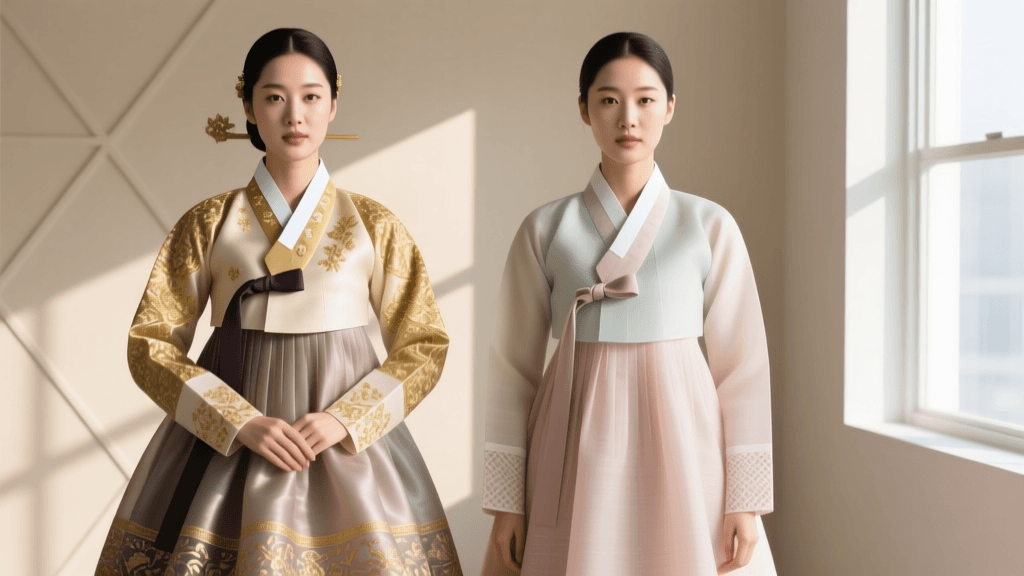
As we navigate the global fashion landscape of 2026, the hanbok stands as a brilliant testament to the enduring appeal of Asian traditional garments. No longer confined to historical dramas or rare holidays, Korean traditional dress has bifurcated into two distinct but equally important categories: ceremonial hanbok (Myeongjeol and Hollyebok) and everyday hanbok (Saenghwal Hanbok). According to the cultural archives maintained by the Korean Culture and Information Service, the hanbok is not merely a historical artifact but a living, breathing textile tradition that continues to evolve. In 2026, the global market for modernized traditional Asian garments has surged by over 18%, driven largely by a renewed interest in sustainable, slow-fashion heritage pieces and the global reach of Korean pop culture.
For collectors, fashion enthusiasts, and those attending multicultural events, understanding the structural, material, and stylistic differences between ceremonial and everyday hanbok is essential. This comprehensive guide breaks down the anatomy, styling, and care protocols for both categories in the current year.
The Anatomy of Ceremonial Hanbok (Myeongjeol and Hollyebok)
Ceremonial hanbok is designed for high-stakes, once-in-a-lifetime, or major seasonal events. This includes wedding attire (Hollyebok) and major holiday or court-style garments (Myeongjeol). The defining characteristics of ceremonial wear are its voluminous silhouette, luxurious textiles, and intricate embellishments.
Key Garments and Textiles
- Hwarot and Wonsam: The Hwarot (bridal robe) and Wonsam (ceremonial court robe) are heavily embroidered outer layers. In 2026, authentic bespoke Hwarot garments feature hand-stitched silk threads and genuine gold leaf (geumbak) stamping, a technique that takes master artisans weeks to complete.
- Heavy Brocades and Silks: Ceremonial skirts (chima) are often made from densely woven silk brocades or layered gauze silks that hold their bell-like shape without the need for excessive modern petticoats.
- Elaborate Headpieces: Ceremonial looks are incomplete without the jokduri (bridal crown) or daenggi (ornamental braids), often encrusted with jade, coral, and freshwater pearls.
The investment for a fully bespoke, authentic ceremonial hanbok in 2026 ranges from $1,500 to over $4,500 USD, reflecting the intense labor and premium natural fibers involved.
The Everyday Revolution: Saenghwal Hanbok
Saenghwal Hanbok, translating to "daily life hanbok," represents the modernization of the garment for contemporary urban living. While purists once debated its authenticity, 2026 has fully embraced Saenghwal Hanbok as a legitimate, practical, and stylish sub-genre of Korean traditional dress. Museums such as the Victoria and Albert Museum have noted in their recent Asian textile exhibitions that the adaptation of traditional dress for daily wear is a crucial factor in the survival of intangible cultural heritage.
Design Modifications for Modern Life
- Shorter Chima and Wider Sleeves: The traditional floor-sweeping skirt is often shortened to midi or ankle-length to accommodate walking, cycling, and using public transit. Sleeves are widened and shortened to prevent them from dragging in food or catching on doors.
- Washable and Sustainable Fabrics: The biggest shift in 2026 is the use of eco-friendly textiles. Organic cotton, linen blends, and recycled polyester silks are standard. These fabrics mimic the drape of traditional silk but can withstand machine washing on gentle cycles.
- Integrated Fasteners: While traditional otgoreum (ribbon ties) remain popular for aesthetics, many everyday jeogori (jackets) now feature hidden magnetic snaps or hook-and-eye closures to prevent the garment from shifting during active wear.
Everyday hanbok is highly accessible, with premium ready-to-wear sets from established Seoul-based designers retailing between $80 and $250 USD in 2026.
2026 Comparison Chart: Ceremonial vs. Everyday Hanbok
| Feature | Ceremonial Hanbok (Myeongjeol/Hollyebok) | Everyday Hanbok (Saenghwal) |
|---|---|---|
| Primary Occasion | Weddings, Chuseok, Seollal, Galas | Office wear, casual outings, travel |
| Typical Fabrics | Heavy silk, brocade, ramie, gold leaf | Organic cotton, linen, washable poly-silk |
| Silhouette | Highly voluminous, floor-length, layered | Streamlined, midi-length, structural |
| Fastenings | Traditional silk ribbons (Otgoreum) | Hidden magnets, snaps, or simplified ties |
| Average Cost (2026) | $1,500 - $4,500+ USD | $80 - $250 USD |
| Maintenance | Professional textile conservation / Dry clean | Machine washable (gentle) / Hand wash |
Essential Undergarments (Sokot) for Both Styles
Regardless of whether you are wearing a $3,000 bridal Hwarot or a $100 cotton Saenghwal set, the foundation of the hanbok relies on its undergarments. In 2026, modern iterations of these undergarments focus on breathability and comfort.
- Sokchima: The underskirt. For ceremonial wear, multiple layers of stiffened sokchima are required to achieve the iconic bell shape. For everyday wear, a single, lightweight A-line cotton sokchima with shoulder straps is preferred.
- Dansokgot: Traditional bloomers worn beneath the skirt. Modern 2026 versions often feature moisture-wicking bamboo blends to ensure comfort during humid summer months.
- Beoseon: The traditional white socks. While ceremonial looks demand thick, hand-stitched cotton beoseon with curved toes, everyday styling often substitutes these with modern opaque tights or minimalist leather loafers.
2026 Styling Trends: Bridging the Gap
The most exciting development in 2026 is the "Neo-Hanbok" styling trend, where the lines between ceremonial and everyday are intentionally blurred by fashion-forward youth in Seoul and global diaspora communities.
Mixing Heritage with Streetwear
It is increasingly common to see a heavily embroidered, ceremonial-style jeogori paired with high-waisted, wide-leg denim trousers. Conversely, the voluminous silk chima of a ceremonial set is being styled with minimalist, structured modern corsets or tailored blazers for high-fashion evening events. This modular approach to dressing allows consumers to invest in one high-quality ceremonial piece and integrate it into a modern capsule wardrobe, maximizing cost-per-wear and sustainability.
"The hanbok of 2026 is not about rigid historical reenactment; it is about claiming the silhouette and making it a tool for contemporary self-expression." — Seoul Heritage Textile Institute, 2026 Trend Report
Advanced Garment Care and Storage in 2026
Caring for traditional Asian garments requires specialized knowledge, particularly when dealing with the delicate silks and gold leaf of ceremonial wear.
Ceremonial Care Protocols
- Ozone Odor Removal: Instead of harsh chemical dry cleaning which can strip natural silk dyes and dissolve gold leaf adhesives, 2026 textile conservators utilize ozone chambers to neutralize odors and kill bacteria without water or solvents.
- Climate-Controlled Storage: Ceremonial hanbok must be stored flat or loosely rolled in acid-free tissue paper. Avoid wire hangers, which distort the shoulder lines of the jeogori. Maintain a storage environment at 65°F (18°C) with 45% humidity to prevent silk degradation.
Everyday Care Protocols
- Gentle Machine Washing: Saenghwal hanbok made from cotton or poly-blends can be machine washed using a mesh laundry bag on a cold, delicate cycle. Always use a pH-neutral detergent.
- Steam Ironing: Avoid direct contact with a hot iron plate, especially on synthetic blends. Use a handheld garment steamer to gently release wrinkles and restore the volume of the chima.
Sourcing Authentic and Modern Hanbok
When shopping for hanbok in 2026, your destination depends entirely on your needs. For bespoke ceremonial garments, the Bukchon Hanok Village and the specialized tailors of Jongno-gu in Seoul remain the global epicenter of excellence. Here, master artisans take precise measurements and guide you through selecting authentic silk brocades.
For everyday Saenghwal hanbok, online platforms have revolutionized accessibility. Global consumers can now order directly from Korean sustainable fashion labels via international shipping hubs, with AI-driven sizing algorithms ensuring a perfect fit for the jeogori across the shoulders and chest. Whether you are preparing for a traditional Chuseok celebration or looking to integrate a touch of Joseon-era elegance into your daily commute, the hanbok in 2026 offers a versatile, breathtaking array of options that honor the past while firmly embracing the future.