Japanese Garment Types 2026: Kimono, Yukata & Hakama Guide
The Renaissance of Japanese Traditional Garments in 2026
The landscape of Japanese traditional garments has experienced a remarkable renaissance by 2026. Driven by a global pivot toward sustainable, artisanal fashion and a renewed appreciation for cultural heritage, garments like the kimono, yukata, and hakama are no longer relegated solely to historical ceremonies. Today, they are being integrated into modern wardrobes, styled with contemporary accessories, and crafted using innovative, eco-friendly textiles. Whether you are a collector, a cultural enthusiast, or someone looking to attend a formal tea ceremony, understanding the distinct types of Japanese garments is essential for proper styling and respectful wear.
In this comprehensive guide, we break down the core Japanese garment types, their formality levels, 2026 market pricing, and the essential accessories required to build a complete, authentic wardrobe.
Understanding the Core Japanese Garment Types
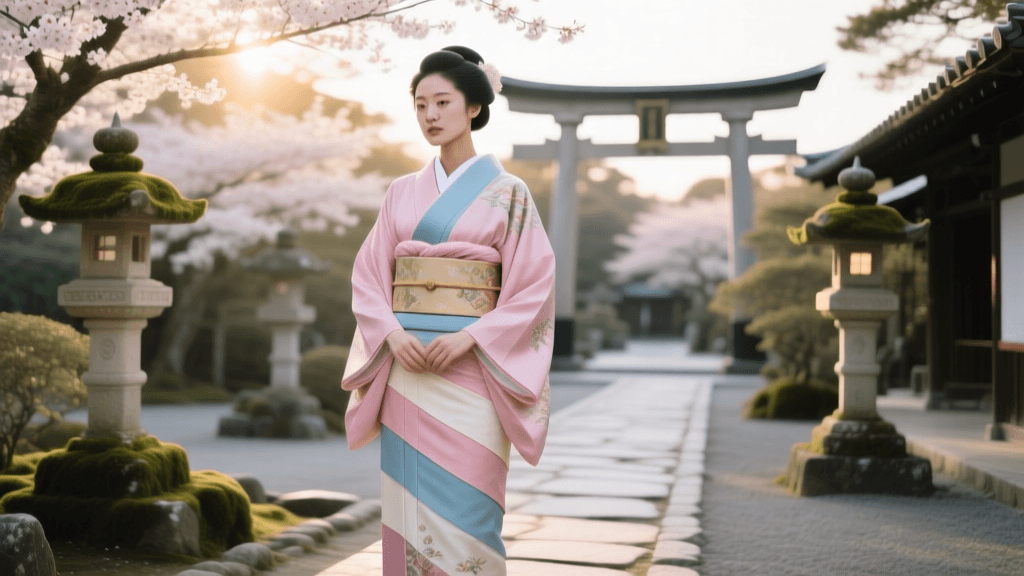
Kimono: The Pinnacle of Formality and Artistry
The word kimono literally translates to "thing to wear" (ki = wear, mono = thing), but in modern contexts, it refers specifically to the formal, T-shaped, straight-lined robes worn with an obi sash. According to the Victoria and Albert Museum, the kimono's T-shaped structure has remained largely unchanged for centuries, serving as a canvas for incredible textile arts like Yuzen dyeing and Nishijin weaving.
In 2026, the kimono market is highly stratified based on formality, marital status, and season:
- Furisode: The most formal kimono for unmarried women, characterized by long, swinging sleeves (often 100cm+ in length). Modern 2026 designs frequently feature bold, asymmetrical digital-printed silk blends alongside traditional hand-painted motifs.
- Homongi: Formal visiting wear for married or unmarried women. The pattern flows continuously across the seams when the garment is laid flat. Expect to pay between $1,200 and $3,500 for a new, artisan-crafted Homongi in 2026.
- Komon: Casual, everyday kimono featuring repeating patterns. These are highly sought after for modern street styling and can be sourced from vintage dealers for $150 to $400.
- Tomesode: The most formal kimono for married women, typically black with crests (kamon) and patterns restricted to the lower half.
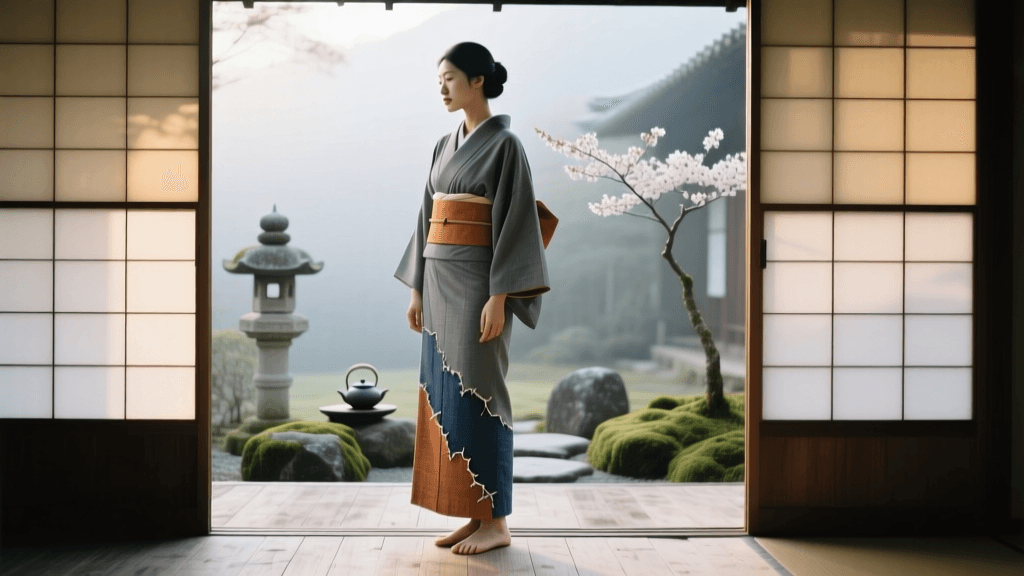
Yukata: Casual Elegance for Modern Summers
Originally worn as a bathing robe by nobility, the yukata has evolved into the quintessential summer garment. Unlike the silk kimono, the yukata is unlined and traditionally made from cotton. However, 2026 trends have seen a massive surge in Ojiya chijimi (a textured linen-cotton blend) and washable synthetic-silk alternatives that offer the drape of traditional silk without the intense maintenance.
Yukata are worn to summer festivals (matsuri), fireworks displays, and casual outings. They are paired with a simpler, narrower obi (hanhaba obi) and wooden clogs called geta. Because they lack the stiff inner linings of a formal kimono, yukata are much more accessible for beginners learning kitsuke (the art of dressing).
Hakama: Structure, Ceremony, and Martial Heritage
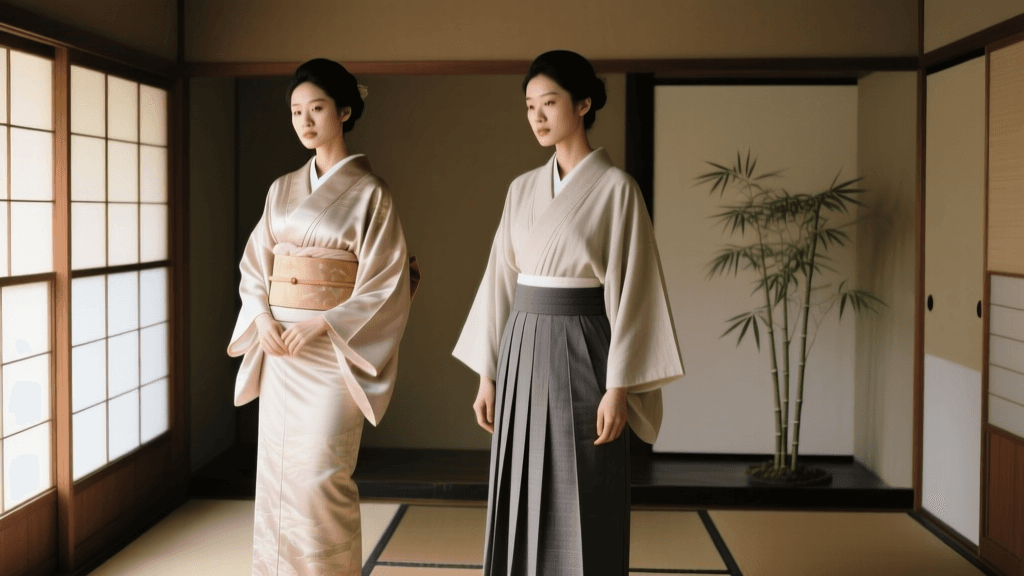
Hakama are wide, pleated trousers or split-skirts worn over a kimono. Historically worn by samurai to protect their legs while riding horses, they are now standard attire for university graduations, Shinto priests, and martial arts practitioners (such as in Kendo and Aikido). The Metropolitan Museum of Art notes that the hakama's rigid structure and seven traditional pleats symbolize the virtues of the samurai code.
There are two main types of hakama:
- Umanori (Horse-riding): Divided trousers that look like a wide skirt but have separate legs. Preferred for martial arts and active movement.
- Andon (Lantern): An undivided, skirt-like hakama. This is the standard choice for women attending graduation ceremonies in 2026, often paired with a classic arrow-patterned (yagasuri) kimono and lace-up boots for a modern, Taisho-romantic aesthetic.
Haori: The Versatile Layering Jacket
The haori is a hip- or thigh-length jacket worn open over a kimono. In 2026, the haori has transcended traditional wear, frequently styled over modern Western clothing like turtlenecks and tailored trousers. Vintage haori, particularly those from the mid-20th century featuring intricate inner linings (hiyoku), are highly prized by global fashion collectors.
2026 Formality and Pricing Comparison Chart
Navigating the formality and cost of Japanese garments can be daunting. Below is a structured comparison chart reflecting the 2026 market for authentic, high-quality garments.
| Garment Type | Formality Level | Best Occasion | Typical 2026 Price Range (USD) | Primary Fabric |
|---|---|---|---|---|
| Furisode | Ultra-Formal | Coming of Age Day, Weddings | $1,500 - $5,000+ | Heavy Silk Crepe |
| Homongi | Formal | Tea Ceremonies, Galas | $1,200 - $3,500 | Silk Rinzu / Chirimen |
| Komon | Casual / Semi-Formal | Theater, Dining, Daily Wear | $250 - $800 | Silk / Washable Blends |
| Yukata | Casual | Summer Festivals, Ryokan | $80 - $300 | Cotton / Linen Blends |
| Hakama (Andon) | Formal / Ceremonial | Graduations, Shrine Visits | $150 - $450 | Polyester / Silk Blend |
The Anatomy of the Outfit: Essential Accessories
A Japanese garment is never worn alone; it requires a specific ecosystem of accessories to achieve the correct silhouette and adhere to cultural etiquette.
- Obi: The sash that secures the kimono. The Fukuro obi is the standard for formal wear, while the Nagoya obi is pre-folded for semi-formal convenience. The Hanhaba obi is a half-width sash reserved strictly for yukata and casual komon.
- Obijime & Obiage: The obijime is a decorative braided cord tied over the obi, while the obiage is a silk scarf-like cloth that peeks out from the top of the obi knot. In 2026, contrasting neon and metallic obijime are trending among younger wearers to add a pop of modern color to vintage kimono.
- Nagajuban: The under-robe worn beneath a silk kimono to protect the delicate outer fabric from sweat and oils. Modern 2026 iterations feature moisture-wicking, washable synthetic collars that eliminate the need for frequent dry cleaning.
- Footwear (Zori & Geta): Zori are flat, sandal-like shoes made of vinyl, leather, or brocade, worn with formal kimono. Geta are elevated wooden clogs with a distinct "clack," worn exclusively with yukata. Both require tabi, the traditional split-toe socks.
Sizing, Measurements, and Kitsuke in 2026
Unlike Western clothing, traditional Japanese garments are not sized by S, M, or L. They are measured by specific dimensions, and the art of kitsuke (dressing) involves folding and tucking the garment to fit the wearer's body perfectly.
The two most critical measurements to know when shopping are:
- Yuki (Sleeve Length): Measured from the center back of the neck, over the shoulder, and down to the wrist. A standard modern yuki is around 64cm to 68cm. If the yuki is too short, the garment will look visibly ill-fitted.
- Mitake (Back Length): Measured from the base of the neck down to the ankle. The ideal length allows the hem to rest just at the ankle bone when tied with an obi.
In 2026, many online retailers and specialized boutiques offer virtual fitting tools where you input your height, arm span, and hip width to calculate your exact yuki and mitake requirements, drastically reducing the guesswork for international buyers.
Sourcing Authentic Garments and Modern Care
Building a wardrobe of Japanese traditional garments requires knowing where to look. For brand-new, artisan-crafted pieces, direct purchases from weaving cooperatives in Kyoto and Kanazawa remain the gold standard, though they command premium prices. For those on a budget or seeking sustainable fashion, the vintage market is thriving. Platforms specializing in upcycled and recycled kimono have seen a 40% increase in global shipping volume in 2025 and 2026, making authentic mid-century silk highly accessible.
Care Tip: Never attempt to wash a traditional silk kimono at home. In 2026, specialized "dry wash" services utilizing liquid silicone solvents are the preferred method for cleaning vintage silk without degrading the natural fibers or causing the dyes to bleed. For everyday maintenance, simply hang your kimono on a wide, padded hanger in a well-ventilated, dark room for 24 hours after wearing to allow moisture to evaporate before folding it back into its tatoshi (storage paper).
Conclusion
Whether you are draping a casual cotton yukata for a summer evening or investing in a meticulously woven silk homongi for a formal ceremony, understanding the nuances of Japanese garment types ensures you honor the culture while expressing your personal style. The 2026 landscape of traditional Japanese fashion is more accessible, innovative, and globally connected than ever before, inviting a new generation to embrace these timeless silhouettes.