2026 Guide to Washable Silk Kimono & Haori Styling
The Intersection of Heritage and Innovation in 2026
Japanese fashion has always been a profound dialogue between historical heritage and futuristic innovation. As we navigate through 2026, the integration of traditional garments like the kimono and haori into daily, contemporary wardrobes has reached unprecedented heights. This renaissance is largely driven by breakthroughs in textile technology, specifically the refinement of washable silk. No longer reserved strictly for formal ceremonies or kept behind glass, these iconic garments are being reimagined for the modern, fast-paced lifestyle while retaining their deep cultural significance.
Historically, the structural elegance of Japanese garments has fascinated the globe. As noted by the Metropolitan Museum of Art, the fundamental T-shaped structure of the kimono has remained remarkably consistent for centuries, serving as a canvas for extraordinary textile arts and social signaling (The Met Museum: Kimono). Today, that canvas is being treated with advanced, eco-friendly nano-coatings that repel water and resist staining, allowing wearers to embrace traditional silhouettes without the anxiety of expensive dry-cleaning bills.
The Rise of Washable Silk in Contemporary Japanese Fashion
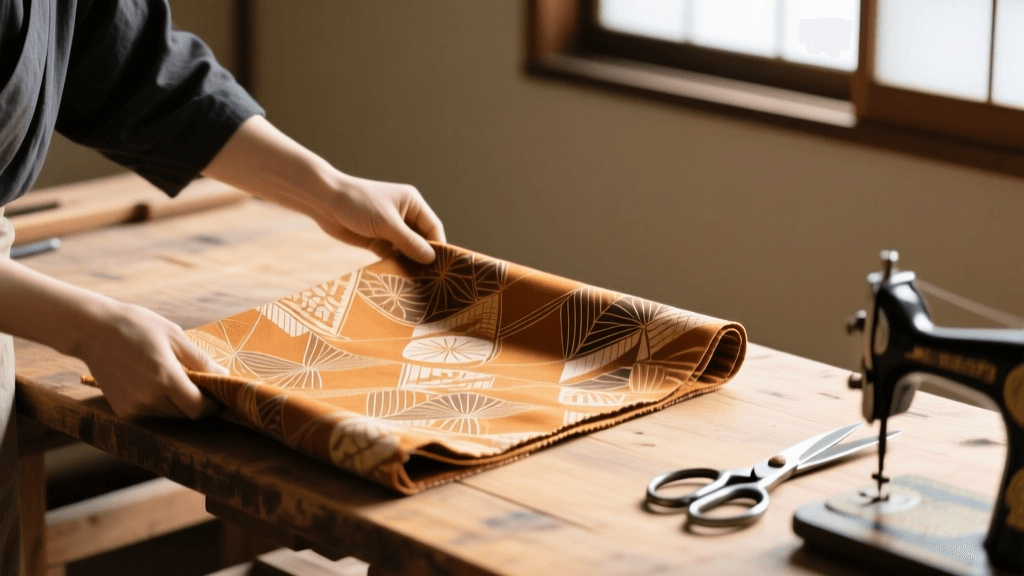
In 2026, 'washable silk' is not a compromise; it is a premium category of its own. Kyoto-based textile laboratories have perfected protein-binding dye techniques and water-resistant silk treatments that allow the fabric to withstand gentle machine cycles. This innovation has democratized the kimono and haori, making them accessible to younger generations and international fashion enthusiasts who demand practicality alongside aesthetic beauty.
When shopping for washable silk this year, pay close attention to the momme (mm) weight, which measures the density and quality of the silk. For a lightweight, breathable haori meant for spring and summer layering, a 16 to 19 momme weight is ideal. For a more structured kimono that drapes heavily and resists wrinkling during all-day wear, look for 22 momme or higher. The 2026 market also features stunning 'silk-blend' washable options, weaving mulberry silk with recycled cupro for added durability and a brilliant, liquid-like sheen.
Essential Layering Techniques for 2026
The true versatility of the kimono and haori lies in their layering potential. The Victoria and Albert Museum highlights how the kimono's flat, linear construction allows it to be endlessly adapted and re-contextualized across different cultures and eras (V&A: The Kimono). Here is how to style these garments in 2026.
1. The Casual Haori Over Modern Basics
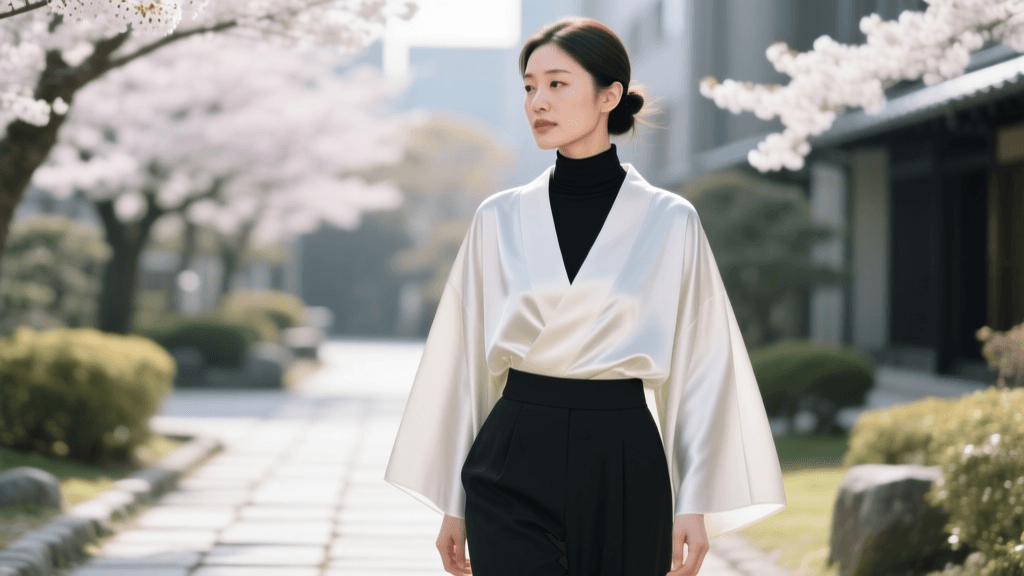
The haori is a hip- or thigh-length open-front jacket. In 2026, the standard length for everyday wear hovers around 80 to 90 centimeters. Because it lacks the strict wrapping rules of a full kimono, the haori is the ultimate entry point for traditional styling.
- The Urban Commuter: Pair a dark, subtly patterned washable silk haori over a crisp, oversized white organic cotton t-shirt and wide-leg linen trousers. Finish the look with split-toe leather sneakers (modern tabi shoes) for a silhouette that bridges Tokyo streetwear and Parisian chic.
- Evening Elegance: Drape a heavily embroidered, vintage-inspired haori over a sleek, monochromatic slip dress. Leave the haori open to allow the dress's neckline to show, using the haori's chi (small braided ties at the collar) loosely knotted or left hanging for a relaxed, effortless vibe.
2. The Kimono as a Wrap Dress or Trench Alternative
Wearing a full kimono in a modern context requires mastering the ohashori (the waist fold that adjusts the length). In 2026, styling the kimono as a wrap dress or a lightweight trench coat is highly popular.
- The Autumn Trench: Wear an unlined hitoe kimono over a fine-gauge merino wool turtleneck and tailored ankle-length trousers. Instead of a traditional, stiff obi sash, use a thin, leather belt or a modern, minimalist woven heko obi to cinch the waist. This creates a structured, avant-garde silhouette perfect for transitional weather.
- Summer Festivals: Opt for a washable silk yukata-style kimono in breathable, light colors. Pair it with a modern, elasticized tsukuri obi (pre-tied sash) that snaps into place in seconds, allowing you to transition from a daytime market stroll to an evening bon-odori dance without needing a professional dresser.
3. Winter Layering with Michiyuki and Cardigans
When temperatures drop, the michiyuki (a traditional kimono overcoat with a square neckline) becomes essential. In 2026, designers are creating washable silk and wool-blend michiyuki coats that feature hidden magnetic closures instead of traditional snaps. Layer this over a thick, cable-knit cardigan and a base-layer kimono for a textured, voluminous winter look that retains exceptional warmth without sacrificing the traditional silhouette.
2026 Fabric Comparison: Traditional vs. Washable Silk
Understanding the material landscape is crucial for building a functional wardrobe. Below is a comprehensive comparison of the primary fabrics used in Japanese garments available on the market today.
| Material Type | Care Method | Breathability | 2026 Avg. Price (JPY) | Best Use Case |
|---|---|---|---|---|
| Traditional Raw Silk | Dry Clean Only | High | ¥80,000 - ¥250,000+ | Formal ceremonies, tea ceremonies, heirloom preservation. |
| Treated Washable Silk | Machine Wash (Cold, Gentle) | High | ¥35,000 - ¥75,000 | Everyday streetwear, office layering, travel, dining out. |
| Silk-Cupro Blend | Machine Wash / Hand Wash | Medium-High | ¥25,000 - ¥50,000 | Casual haori, summer yukata, budget-friendly entry pieces. |
| High-Tech Polyester (Silk Mimic) | Machine Wash / Tumble Dry Low | Low-Medium | ¥15,000 - ¥30,000 | Rainy season wear, high-sweat environments, costume/stage. |
Practical Care and Maintenance for Washable Silk
While 'washable' implies ease, these garments still require mindful care to maintain their luster and structural integrity over the years. According to modern textile care guidelines and traditional Japanese garment maintenance practices (Japan Guide: Kimono), proper storage and cleaning are paramount.
- Preparation: Always place your washable silk kimono or haori inside a fine-mesh laundry bag. This prevents the delicate sleeves (sode) from snagging on the washing machine drum or other garments.
- Detergent Selection: Use a neutral pH liquid detergent specifically formulated for delicates or silk. Avoid alkaline powders, bleach, or fabric softeners, which can strip the natural sericin proteins from the silk fibers and degrade the 2026 water-resistant nano-coatings.
- Washing Cycle: Set your machine to the 'Hand Wash' or 'Delicate' cycle with cold water (strictly under 30°C or 86°F). High temperatures will cause the silk to shrink and the dyes to bleed.
- Drying: Never wring out the fabric. Gently press out excess water using a clean, dry microfiber towel. Hang the garment on a wide, padded hanger to dry in a well-ventilated, shaded area. Direct sunlight will rapidly fade the vibrant 2026 botanical and geometric prints.
- Storage: Once completely dry, store the garment flat or folded with acid-free tissue paper between the folds to prevent permanent crease lines. Avoid plastic garment bags, which trap moisture; opt for breathable cotton covers or traditional tatoushi (paper storage envelopes).
Sourcing Authentic Garments in 2026
The market for traditional Japanese clothing has expanded significantly. For those visiting Japan in 2026, the Nishijin district in Kyoto remains the premier destination for high-end, artisanal washable silk, where multi-generational weaving houses offer bespoke fittings and custom dyeing services. In Tokyo, the Asakusa and Yanaka neighborhoods offer fantastic boutique shops specializing in modern, ready-to-wear haori and upcycled vintage kimono that have been professionally treated for machine washing.
For international buyers, numerous reputable online platforms now ship globally, offering detailed measurements and virtual styling consultations. When purchasing online, always verify the garment's yuki (sleeve length from the center back of the neck to the wrist) and mitake (back length) to ensure a proper fit, as traditional garments are sized very differently from Western apparel. A standard women's haori typically features a yuki of 62-64 cm, while men's styles range from 68-72 cm.
Conclusion
The year 2026 marks a beautiful synthesis of respect for the past and adaptation for the future. By embracing washable silk and modern layering techniques, the kimono and haori have transcended their status as mere historical artifacts. They are now living, breathing components of a dynamic global wardrobe, offering unmatched elegance, comfort, and a profound connection to Asian traditions for the modern wearer.