Hanfu Family Ceremonies 2026: Weddings, Births & Ancestral Rites
The Resurgence of Hanfu in Modern Family Milestones
As we navigate through 2026, the Hanfu movement has evolved from a passionate niche subculture into a mainstream pillar of Chinese cultural identity. No longer confined to street fashion or photography clubs, traditional Han clothing is now the gold standard for major family milestones. According to cultural historians and publications like Smithsonian Magazine, the desire to reconnect with ancestral roots has fundamentally transformed how families celebrate life's most critical transitions. Whether welcoming a new child, uniting two families in marriage, or honoring those who have passed, the garments we choose carry profound symbolic weight. This comprehensive 2026 guide explores the specific dress codes, fabric innovations, and styling rules for wearing Hanfu at births, weddings, and ancestral rites.
Hanfu for Weddings: The Union of Two Families
In contemporary Han weddings, the Ming Dynasty aesthetic remains the undisputed pinnacle of formality and tradition. The Ming era is revered for its strict sumptuary laws and highly structured garment silhouettes, which translate beautifully into the solemnity of a wedding ceremony. The most popular ensemble for brides in 2026 is the Ming Aoqun, consisting of a structured, high-collared jacket (Ao) paired with a pleated horse-face skirt (Mamianqun).
The Fengguan Xiapei: Crown and Sash
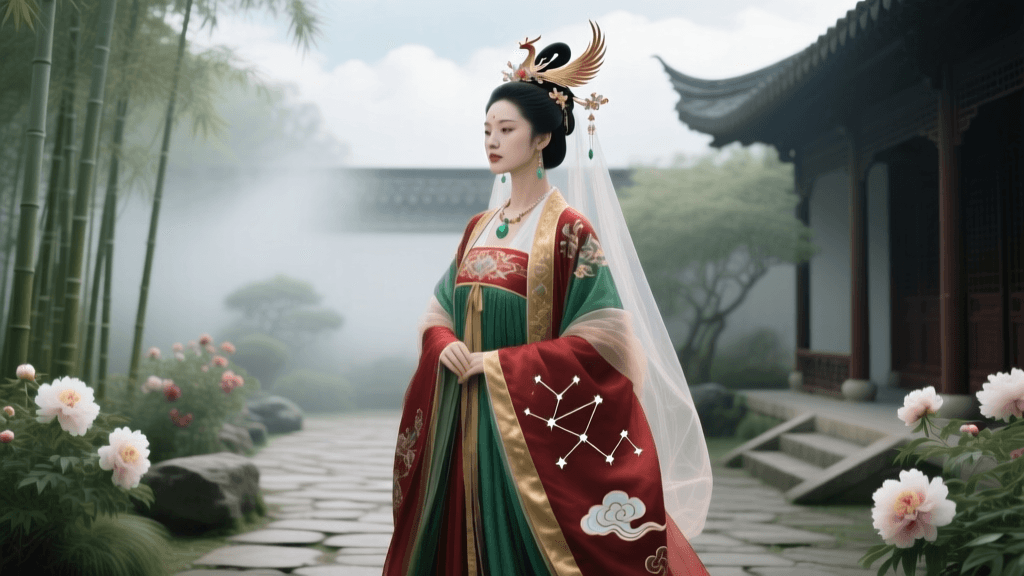
For the ultimate ceremonial look, brides often incorporate the Fengguan Xiapei (Phoenix Crown and Rank Badge Sash). While historically reserved for noblewomen or granted as a special dispensation for commoners on their wedding day, modern 2026 interpretations utilize lightweight, 3D-printed filigree and ethically sourced freshwater pearls to recreate the crown without the neck strain associated with antique replicas. The Xiapei, a V-shaped embroidered sash draped over the shoulders, features motifs of dragons, phoenixes, and peonies, symbolizing a harmonious and prosperous marriage.
2026 Fabric Innovations for Wedding Hanfu
Summer weddings in 2026 have driven a massive demand for breathable, natural fiber blends. Traditional heavy brocades are being replaced by silk-organza blends and lightweight Tussah silk, which maintain the structural integrity of the Ao collar while allowing for airflow. Furthermore, AI-assisted custom embroidery has become standard in high-end boutiques, allowing couples to weave their family crests and specific auspicious dates directly into the Mamianqun pleats.
| Wedding Style | Historical Era | Formality Level | Best Season | 2026 Avg. Budget (USD) |
|---|---|---|---|---|
| Ming Aoqun & Mamianqun | Ming Dynasty | Ultra-High (Main Ceremony) | Autumn / Winter | $350 - $1,200 |
| Tang Qixiong Ruqun | Tang Dynasty | Medium (Banquet / Reception) | Spring / Summer | $120 - $300 |
| Song Beizi & Baizhequn | Song Dynasty | High (Tea Ceremony) | Spring / Autumn | $200 - $500 |
Hanfu for Birth and Coming-of-Age Ceremonies
The arrival of a child and their subsequent transition into adulthood are marked by deeply symbolic clothing rituals that protect, bless, and guide the individual.
Zhuazhou: The First Birthday
The Zhuazhou (first birthday grasp) ceremony is a joyous occasion where a child is surrounded by symbolic objects to predict their future. In 2026, infant Hanfu prioritizes safety and comfort without sacrificing tradition. Babies are dressed in organic cotton Ruqun dyed with natural plant extracts like madder root (for soft reds) and indigo (for calming blues). The essential accessory is the tiger-head hat and matching tiger-head shoes. In Chinese folklore, the tiger is a fierce protector that wards off evil spirits and childhood illnesses. Modern artisans use hypoallergenic, hand-stitched felt to create these vibrant pieces, ensuring they are safe for delicate skin.
Guanli and Jili: Coming of Age
The transition to adulthood is marked by the Guanli (capping ceremony for men at age 20) and the Jili (hair-pinning ceremony for women at age 15). These ceremonies involve three distinct changes of clothing, each representing a new level of societal responsibility.
- First Addition: Simple, unlined Ruqun in pale colors, symbolizing the innocence of childhood and the purity of the mind.
- Second Addition: The Shenyi (deep robe), which connects the upper and lower garments, representing the integration of moral character and societal duty.
- Third Addition: Formal court-style or scholarly robes (such as the Ming-style Daopao for men or heavily embroidered Aoqun for women), signifying readiness to participate fully in family and civic life.
Hanfu for Ancestral Rites: Modesty and Reverence
When honoring ancestors during the Qingming Festival (Tomb-Sweeping Day) or the mid-Autumn Jiizu (ancestral worship) rituals, the dress code shifts dramatically from celebration to solemn reverence. The guiding principles for ancestral rites are modesty, restraint, and respect.
The Song Dynasty Beizi
The Song Dynasty Beizi—a long, parallel-collar jacket with narrow sleeves and side slits—is the most appropriate garment for ancestral rites. As noted by textile historians at The Metropolitan Museum of Art, the Song era was heavily influenced by Neo-Confucianism, which prized intellectual restraint, simplicity, and understated elegance over the flamboyant displays of the Tang or Ming dynasties. The straight, unadorned lines of the Beizi perfectly reflect the solemnity required when addressing one's forebears.
Color and Fabric Rules for Mourning and Worship
Bright reds, golds, and flashy synthetic brocades are strictly forbidden during ancestral rites. The 2026 palette for these events revolves around subdued, natural tones: charcoal, navy, pale jade, ivory, and muted plum. Fabrics should be matte and natural. Raw silk, washed linen, and matte cotton are preferred, as they absorb light rather than reflect it, projecting a sense of humility. Embroidery, if present, should be tone-on-tone and feature motifs of longevity (like cranes or pine trees) rather than wealth (like gold ingots or dragons).
"To dress for the ancestors is to strip away the ego of the present and wear the humility of the past. The fabric should whisper, not shout." — 2026 Guidelines from the Chinese Intangible Cultural Heritage Association.
2026 Sourcing, Budgeting, and Care Guide
Acquiring ceremonial Hanfu in 2026 is easier than ever, but navigating the market requires an understanding of the different tiers of production. Whether you are buying for a wedding or an ancestral rite, understanding where your money goes ensures you get a garment that will become a family heirloom.
| Sourcing Tier | Production Method | Lead Time | Best For |
|---|---|---|---|
| Off-the-Rack (Taobao / Global Agents) | Factory standard sizing, polyester/silk blends | 1 - 3 Weeks | Coming-of-Age, First Birthdays |
| Made-to-Measure (Boutique Studios) | Custom measurements, genuine silk, hand-finished hems | 4 - 8 Weeks | Weddings, Major Anniversaries |
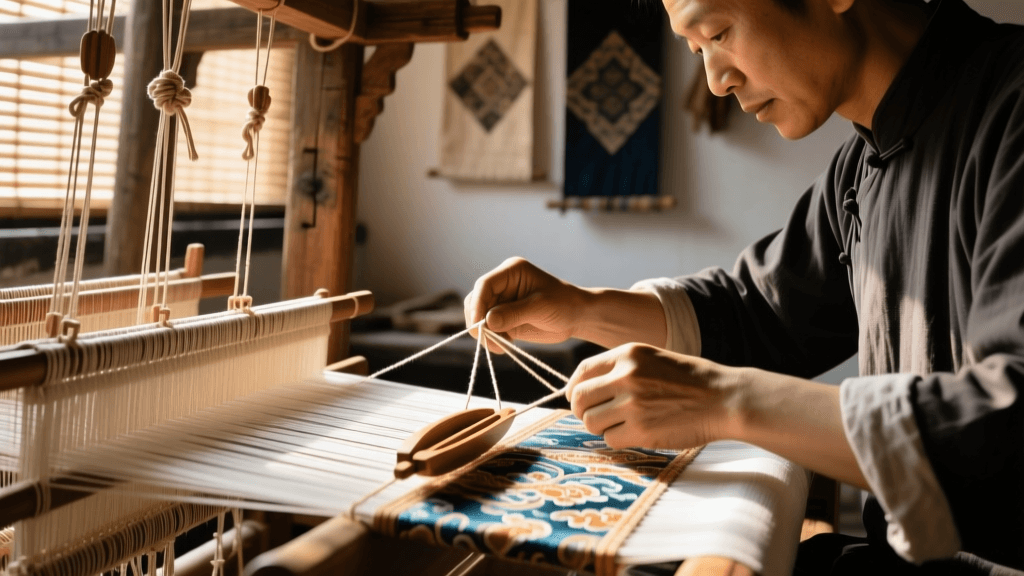
| Bespoke Heritage Weavers | Nanjing Yunjin or Suzhou Song brocade, hand-woven | 3 - 6 Months | Generational Heirlooms, High-End Weddings |
Maintenance and Storage
Ceremonial Hanfu, particularly those featuring real gold thread (Zhuanghua) or delicate silk gauze, requires specialized care. In 2026, the standard for storing Mamianqun is to hang them on wide, velvet-padded hangers to prevent the pleats from losing their sharp, heat-set edges. Never fold a Mamianqun for long-term storage, as the metallic threads can snap along the crease lines. For cleaning, dry-cleaning with eco-friendly, non-toxic solvents is mandatory; water washing will destroy the water-soluble starches used to maintain the structure of the Ming-style Ao collars.
Conclusion: Weaving the Past into the Future
The integration of Hanfu into family ceremonies is more than a fleeting fashion trend; it is a profound reclamation of cultural continuity. By carefully selecting the appropriate era, fabric, and color for weddings, births, and ancestral rites, modern families are weaving their personal histories into the broader tapestry of Asian traditions. As we move further into 2026, the garments we wear to honor our past will continue to shape the identity of our future, proving that true tradition is not static, but a living, breathing practice passed down through the very threads we wear.