Mythological Hanfu: Dressing as Chinese Deities & Spirits
The Allure of Chinese Mythology in Traditional Dress
Chinese mythology offers a breathtaking pantheon of celestial deities, ethereal nature spirits, and formidable martial heroes. For enthusiasts of traditional clothing, translating these ancient legends into wearable art is one of the most exciting frontiers of the modern Hanfu movement. According to Britannica's comprehensive overview of Chinese mythology, the mythological landscape is deeply intertwined with Daoist cosmology, folk religion, and the natural world, featuring beings that embody everything from the grace of the moon to the ferocity of the underworld.
Dressing as these figures requires more than simply putting on a historical garment; it demands an understanding of silhouette, textile behavior, and symbolic accessories. Whether you are preparing for a Hanfu convention, a cultural photography shoot, or a theatrical performance, this guide will provide actionable advice on how to authentically and practically style mythological Hanfu.
Key Mythological Archetypes and Their Sartorial Signatures
To accurately portray a mythological figure, you must first identify their archetype. The clothing of a celestial goddess differs vastly from that of a terrestrial fox spirit or a martial dragon king.
The Celestial Deity (Tian Xian)
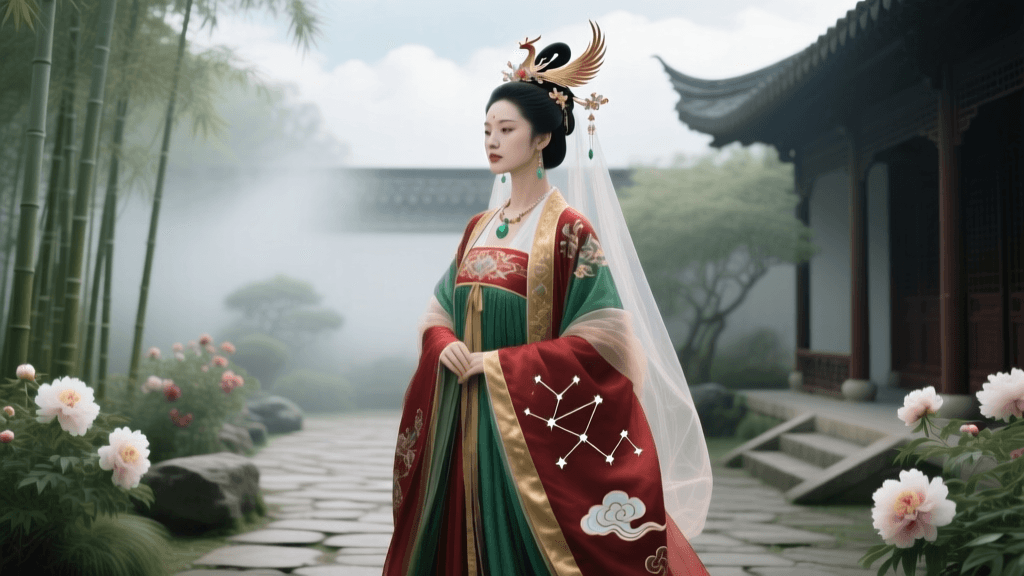
Figures like Chang'e (the Moon Goddess) or the Heavenly Maidens are defined by weightlessness and divine grace. The quintessential garment for this archetype is the Qixiong Ruqun (chest-high skirt) paired with a Daxiushan (large-sleeve shirt). The defining accessory is the Pibo, a long, flowing silk stole draped over the arms and shoulders. To achieve the 'flying apsara' look, the Pibo must be made of a lightweight, translucent fabric like silk organza or chiffon, allowing it to catch the wind and create a halo-like silhouette around the wearer.
The Ethereal Spirit (Yao Jing)
Nature spirits, such as the Huli Jing (fox spirits), lotus fairies, or snake demons, bridge the gap between the animal/natural world and human form. Their clothing often features intricate, textured patterns that mimic scales, fur, or petals. The Mamianqun (horse-face skirt) is highly favored here, especially when woven with metallic jacquard threads that catch the light, simulating the shimmer of scales or the iridescence of a spirit's aura. A Beizi (long, open-front jacket) with embroidered botanical or animal motifs at the cuffs and collar adds a layer of terrestrial elegance.
The Martial or Underworld Deity
Deities like Zhong Kui (the vanquisher of ghosts) or the Dragon Kings require structured, imposing silhouettes. The Feiyufu (flying fish robe) or the Yuanlingpao (round-collar robe) are ideal. These garments feature tighter sleeves, leather or heavy brocade belts, and structured shoulders. The fabrics are heavier, utilizing stiff brocades, wool blends, or heavily embroidered cottons to convey authority and martial prowess.
Comparison Chart: Styling the Divine, the Spirit, and the Hero
| Archetype | Base Garment | Fabric Recommendation | Essential Accessories | Est. Cost (USD) |
|---|---|---|---|---|
| Celestial Deity | Qixiong Ruqun, Daxiushan | Silk organza, chiffon, lightweight mulberry silk | Translucent Pibo, pearl hairpins, jade forehead drops | $120 - $350 |
| Nature Spirit | Mamianqun, Beizi | Metallic jacquard brocade, embroidered satin | Faux fur stoles, resin animal ears, floral hair combs | $150 - $400 |
| Martial Deity | Feiyufu, Yuanlingpao | Stiff brocade, heavy linen, leather accents | Leather corset belts, metal arm bracers, structured guan (crown) | $180 - $500+ |
Practical Guide: Sourcing, Measuring, and Styling
Creating a mythological Hanfu ensemble requires precise attention to tailoring and material sourcing. The ethereal quality of these garments relies heavily on silk, a material so revered that its creation, sericulture and silk craftsmanship, is officially recognized by UNESCO as an Intangible Cultural Heritage of humanity.
Measurements and Fit for Flowing Silhouettes
Traditional Chinese tailoring relies on flat-cutting, meaning garments are cut in straight lines and rely on draping rather than darts for fit. When ordering or sewing a Qixiong Ruqun for a deity costume, accurate measurements are critical to prevent wardrobe malfunctions.
- Chest/Underbust: Measure the circumference directly under the bust where the skirt waistband will sit. Add 4-6 cm for overlap and comfort.
- Skirt Length: For a chest-high skirt, measure from the underbust down to the ankle bone. Subtract 5 cm if you plan to wear flat shoes, or add 5 cm for platform lotus shoes.
- Sleeve Length: For Daxiushan (large sleeves), the sleeve should extend past the fingertips by at least 15-20 cm to allow for the dramatic, sweeping gestures characteristic of deity portrayals.
Fabric Selection and Sourcing
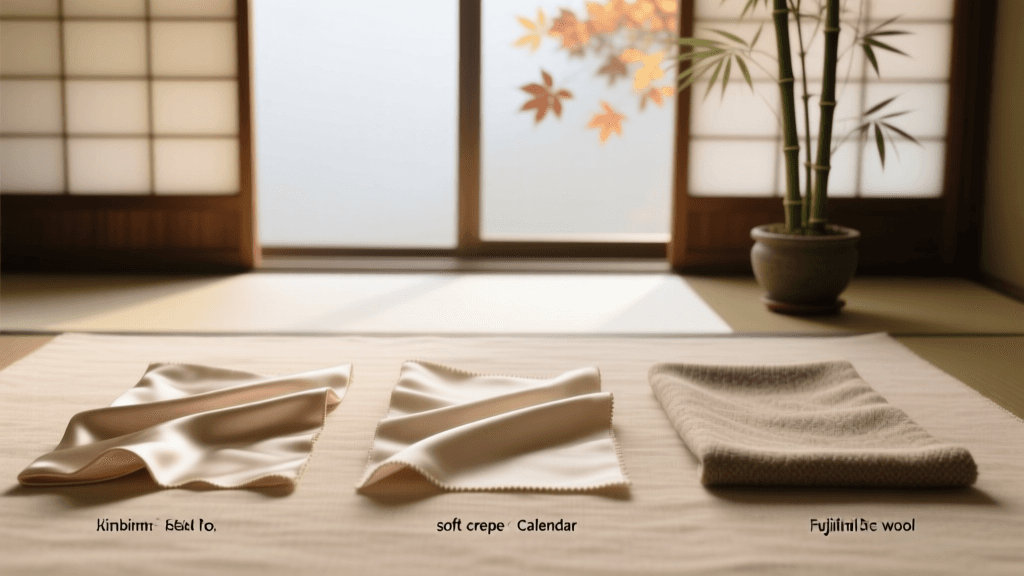
The behavior of the fabric dictates the success of a mythological costume. Avoid heavy polyesters for celestial beings, as they will drag the silhouette down. Instead, source 100% silk organza or high-quality nylon organza for the Pibo and outer sleeves. For the Mamianqun used in spirit costumes, look for 'woven jacquard' (zhihua) rather than printed fabrics. Woven metallic threads will reflect light dynamically during movement, mimicking the magical aura of a spirit. Expect to pay between $40 and $90 per yard for authentic Chinese silk jacquard.
Actionable Accessory Sourcing
Accessories elevate a historical garment into a mythological costume. Here is what to look for:
- Hair Ornaments (Ji & Zan): Deities require 'Buyao' (step-shake) hairpins with dangling pearls or jade. Source natural nephrite jade or high-quality glass resin. Avoid cheap plastic, which ruins the illusion in photography.
- Forehead Adornments (Huadian): A staple for goddesses and spirits. Use cosmetic-grade gemstone stickers or hand-paint the design using liquid eyeliner and cosmetic glitter. A red plum-blossom or golden crescent moon is traditional.
- Spirit Elements: For fox or dragon spirits, integrate subtle non-human elements. A high-quality faux fox-fur collar draped over a Beizi adds instant character. For dragon kings, metallic claw-like rings on the index and pinky fingers provide a striking, subtle detail.
Makeup and Styling for Mythological Beings
Makeup is just as important as the textiles. Celestial deities benefit from a 'glass skin' aesthetic—pale, luminous foundations with soft peach or pink blush swept up toward the temples. Eyebrows should be drawn in the traditional 'willow leaf' or 'distant mountain' shapes, which are softer and more elongated than modern brow trends.
For nature spirits like the Huli Jing, the makeup should be more alluring and sharp. Extend the eyeliner outward and upward to mimic a fox's eye, and use a deep red or plum lip color. Adding a subtle dusting of gold or copper eyeshadow on the inner corners of the eyes enhances the otherworldly, predatory grace of the spirit.
Caring for Ethereal and Brocade Garments
Mythological Hanfu pieces, particularly those made of silk organza and metallic jacquard, require specialized care to maintain their structural integrity and sheen.
- Washing: Never machine wash silk organza or metallic brocade. Hand wash in cold water using a pH-neutral silk detergent. Do not wring or twist the fabric; instead, press the water out by rolling the garment in a clean, dry towel.
- Drying and Ironing: Air dry away from direct sunlight to prevent the metallic threads from tarnishing or the silk from yellowing. Iron on the lowest heat setting, always using a pressing cloth between the iron and the garment to prevent scorching.
- Storage: Do not hang heavy Mamianqun by their waistbands for long periods, as the weight of the pleats can stretch the fabric. Fold them flat along the pleat lines and store them in breathable cotton garment bags with silica gel packets to control humidity.
Conclusion
Dressing in mythological Hanfu is a profound way to engage with the rich tapestry of Chinese folklore. By understanding the distinct silhouettes of celestial deities, nature spirits, and martial heroes, and by carefully selecting authentic fabrics and symbolic accessories, you can bring these ancient legends into the modern world. Whether you are twirling in a silk organza Pibo under the moonlight or commanding a room in a heavy brocade Feiyufu, the key lies in respecting the traditional tailoring while embracing the imaginative freedom of mythology.