Kimono Evolution: Heian Court Elegance to Edo Era Fashion
The Evolution of Japanese Dynastic Fashion
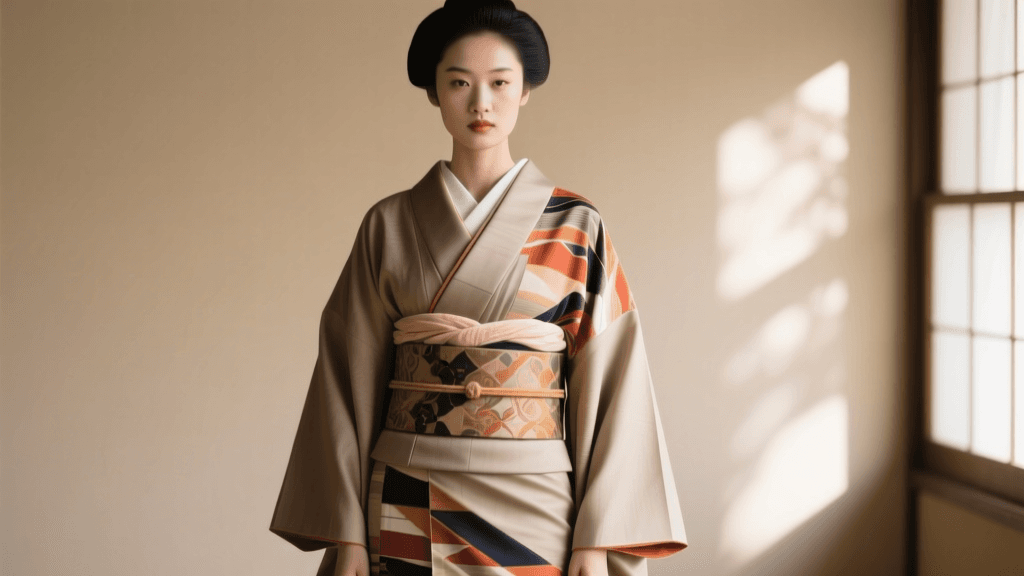
The Japanese kimono is globally recognized as a symbol of traditional elegance, yet its current form is the result of centuries of sartorial evolution. To truly appreciate the T-shaped robe, one must journey through Japan’s distinct historical periods. From the heavily layered, opulent court garments of the Heian period to the vibrant, pattern-driven fashion of the Edo period, the evolution of Japanese dress reflects profound shifts in politics, class structures, and aesthetic philosophies. For modern collectors, historians, and enthusiasts, understanding these dynastic shifts is not merely an academic exercise; it is the essential key to identifying, valuing, and wearing vintage garments with historical accuracy and cultural respect.
The Heian Period: Layered Opulence and the Jūnihitoe
The Heian period (794–1185) represents the zenith of Japanese courtly culture. Isolated from direct Chinese influence, the aristocracy focused on hyper-refined, indigenous aesthetics. The quintessential garment of this era was the jūnihitoe, a twelve-layered ensemble worn by high-ranking court women. Rather than a single piece, the jūnihitoe was a complex stacking of uchigi (robes), where the precise layering of colors—known as kasane no irome—communicated the wearer's rank, poetic sensibility, and awareness of the micro-seasons.
According to the Victoria and Albert Museum, the visibility of these layered cuffs, hems, and collars was the primary mode of visual expression, as the body was largely concealed beneath volumes of silk. A masterful Heian courtier might pair a pale pink inner robe with a deep crimson outer layer to evoke the blooming of plum blossoms in early spring. The sheer weight of the garments, sometimes exceeding 20 kilograms, restricted movement, reinforcing the sedentary, highly ritualized life of the Heian court. Today, authentic Heian garments are virtually non-existent outside of museum archives like the Kyoto National Museum, but the era's intricate color theory heavily influences modern kimono color coordination and seasonal rules.
The Edo Period: The Rise of the Kosode and Urban Fashion
The transition to the Edo period (1603–1867) marked a radical democratization of fashion. Under the Tokugawa shogunate, prolonged peace and rapid urbanization led to the rise of the chōnin (merchant class). The foundational garment shifted to the kosode, a robe with small sleeve openings that was originally worn as an undergarment by Heian aristocrats but became the primary outerwear for all classes during the Edo period.
As noted by The Metropolitan Museum of Art, the kosode served as a blank canvas for unprecedented artistic expression. Because the shogunate enforced strict sumptuary laws forbidding the wealthy merchant class from wearing ostentatious fabrics or bright colors, commoners developed the aesthetic of iki—subdued, hidden elegance. This socio-political pressure led to the invention of yuzen-zome, a rice-paste resist dyeing technique that allowed for intricate, painterly designs directly onto the silk. The obi (sash) also evolved from a narrow, functional tie to a wide, decorative centerpiece, fundamentally altering the garment's silhouette and shifting the visual focus to the back of the wearer.
Actionable Guide: Collecting Vintage Edo and Meiji Kimono
For collectors, the late Edo and subsequent Meiji (1868–1912) periods offer the most accessible and wearable antique garments. However, purchasing a vintage kosode or early kimono requires precise knowledge of anatomy, measurements, and market timing. Unlike Western vintage clothing, kimono are not sized by standard small, medium, or large designations. They are tailored to the individual.
Anatomy of a Vintage Garment
- Okumi: The vertical panel on the front overlap, crucial for determining the garment's wrap and fit.
- Furi: The unsewn slit under the sleeve, allowing for movement and the passage of the obi.
- Tamoto: The sleeve pouch, historically used to carry small items like tissues or poems; deeper on women's garments.
- Miyatsukuchi: The small opening under the armpit on women's kimono, allowing the obi to be adjusted and the garment to drape properly.
Measurement and Sizing Chart
When sourcing vintage kimono online or in person, you must compare your body measurements to the garment's specific metrics. The most critical measurement is the yuki (sleeve length from the center back of the neck to the wrist).
| Wearer Height | Ideal Mitake (Total Length) | Ideal Yuki (Sleeve Length) | Katahaba (Shoulder Width) |
|---|---|---|---|
| 150 cm (4'11") | 130 - 135 cm | 62 - 64 cm | 30 - 31 cm |
| 160 cm (5'3") | 140 - 145 cm | 65 - 67 cm | 32 - 33 cm |
| 170 cm (5'7") | 150 - 155 cm | 68 - 70 cm | 34 - 35 cm |
| 180 cm (5'11") | 160 - 165 cm | 71 - 74 cm | 36 - 37 cm |
Note: Vintage garments from the Edo and Meiji eras were typically tailored for shorter statures (average female height was around 145-150 cm). Modern wearers often have to wear shorter vintage kimono with the hem tied up at the waist using a kohimo (tying cord), creating a stylish, modern silhouette.
Sourcing, Timing, and Costs
To source authentic Edo and Meiji pieces, timing and location are critical. In Kyoto, the most lucrative sourcing events are the monthly antique markets. The Kobo-san market at Toji Temple (held on the 21st of every month) and the Tenjin-san market at Kitano Tenmangu (held on the 25th) are prime hunting grounds. Arrive at dawn (around 6:00 AM) to access the best vintage silk dealers before the tourist crowds arrive and the rare pieces are picked over.
Cost Breakdown by Era:
- Meiji Era Everyday Kimono ($40 – $150): Often feature subtle shibori (tie-dye) or woven kasuri patterns. Excellent for casual modern wear and highly durable.
- Edo Period Merchant Kosode ($500 – $3,000+): Characterized by hand-painted yuzen motifs, gold leaf application, and heavy, high-quality silk crepe (chirimen). Often fragile and better suited for framing or careful, occasional wear.
- Taisho Era (1912–1926) “Moga” Kimono ($200 – $800): Features bold, modernist, Art Deco-inspired motifs and vibrant synthetic dyes. Highly sought after by contemporary fashion stylists and vintage collectors.
Preservation: Caring for Antique Silk
Caring for historical silk requires specialized knowledge to prevent irreversible damage. Never store antique kimono on wire or plastic hangers, as the weight of the silk and the intricate embroidery will warp the shoulder seams and cause permanent creasing. Instead, fold the garment using the traditional tato method and store it flat in an acid-free paper wrapper or a paulownia wood tansu chest, which naturally regulates humidity and repels insects.
If an Edo-era garment requires cleaning, do not use modern chemical dry cleaning, which will strip the silk of its natural oils and ruin hand-painted dyes. Seek out a specialist who performs arai-hari, a traditional Japanese method where the garment is entirely unpicked into flat fabric panels, washed gently in water, stretched on wooden boards to dry, and meticulously resewn by hand.
“The kimono is not merely a garment; it is a wearable canvas that reflects the philosophy, season, and social standing of its wearer across centuries of evolution.”
Conclusion
From the restrictive, poetic layers of the Heian court to the vibrant, subversive artistry of the Edo merchant class, the evolution of the kimono is a masterclass in cultural adaptation. By understanding the historical context, mastering the unique sizing metrics, and practicing proper preservation, modern collectors can become active stewards of Japan’s rich sartorial heritage, ensuring these dynastic masterpieces survive for generations to come.