Kimono Travel Essentials 2026: What to Pack & Where to Wear
Embracing Traditional Garments on Your 2026 Japan Itinerary
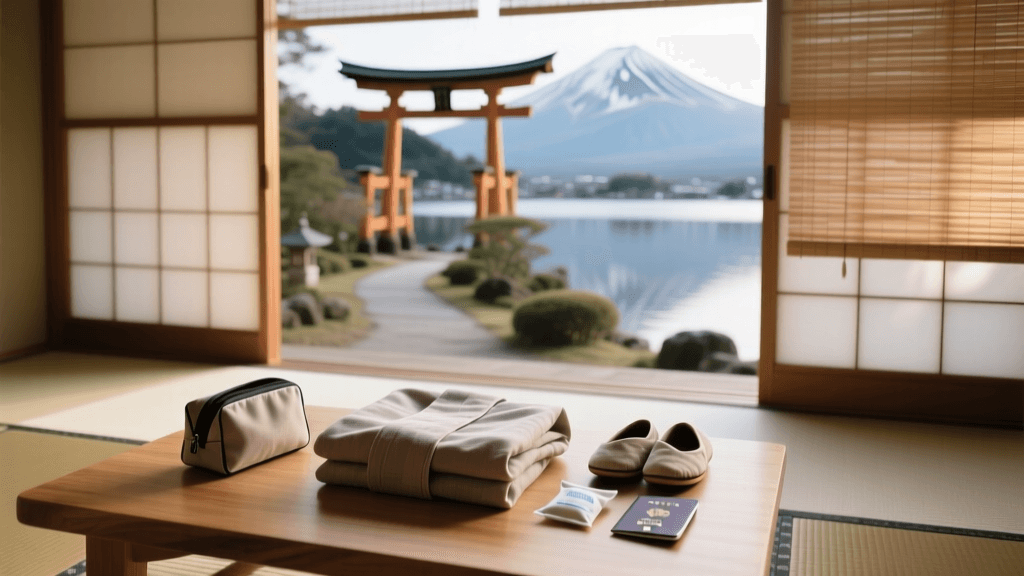
Planning a trip to Japan in 2026 offers an unprecedented opportunity to engage deeply with the country's rich sartorial heritage. While renting a kimono on the streets of Kyoto or Tokyo remains a popular tourist activity, an increasing number of cultural enthusiasts and slow-travel advocates are choosing to pack their own garments. Bringing your own kimono allows for a more personalized, sustainable, and intimate connection with Japanese traditions. However, the sheer volume of layers, ties, and accessories required for traditional Japanese dress can make packing seem daunting.
Whether you are attending a formal tea ceremony in Kanazawa, strolling through Tokyo's historic Yanaka district, or simply enjoying a quiet morning at a rural ryokan, knowing exactly what to pack—and how to pack it—is essential. This comprehensive 2026 guide breaks down the ultimate kimono travel checklist, compares modern travel-friendly fabrics, and highlights the best destinations to wear your garments respectfully and comfortably.
The Ultimate 2026 Kimono Packing Checklist
A complete kimono ensemble, known as monsai, consists of far more than just the outer robe. To ensure you can dress yourself (or a travel companion) without relying on a professional kitsuke stylist, you must pack the foundational layers and structural ties. Here is your essential packing list for the modern traveler.
Core Garments
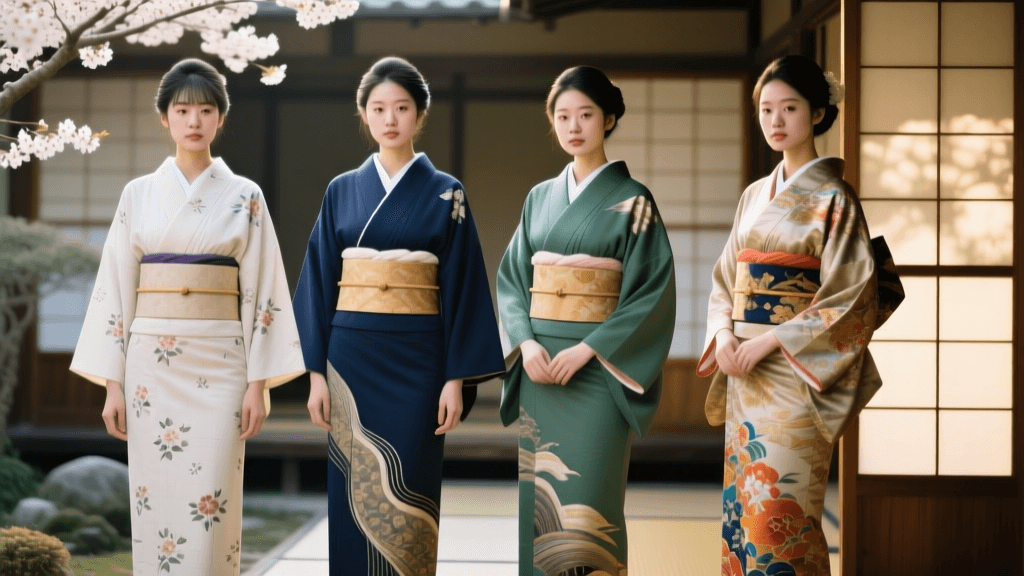
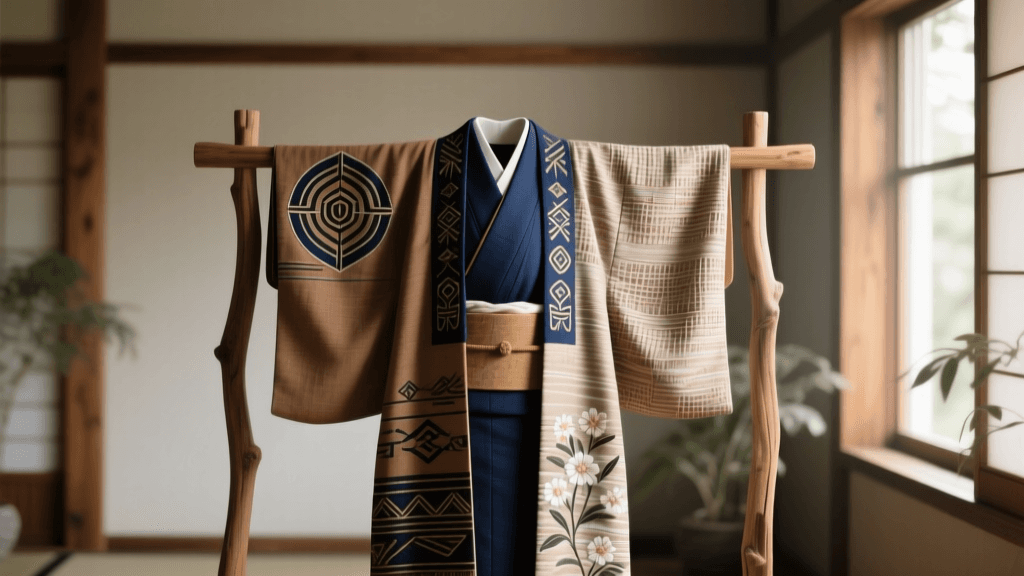
- The Kimono: The main outer garment. For travel, opt for a komon (casual, repeating pattern) or tsumugi (woven silk/cotton texture) which are appropriate for daytime sightseeing, cafes, and casual cultural events.
- Nagajuban (Under-Kimono): Traditionally worn to protect the outer kimono from sweat and oils. Travel Hack: To save luggage space, many modern travelers skip the full nagajuban and instead use a date-eri (fake collar) attached directly to the inside of the kimono's neckline, paired with a simple cotton slip skirt (susoyoke) and a camisole.
- Hanhaba Obi: A half-width sash. Unlike the stiff, heavy fukuro obi used for formal wear, the hanhaba obi is soft, easy to tie into a simple bunko (bow) knot, and requires no additional accessories like the obi-jime (cord) or obi-age (scarf).
Ties, Belts, and Modern Hacks
- Koshihimo (Waist Ties): You traditionally need 3 to 4 of these long, thin cotton or silk cords to secure the under-layers and the kimono itself. 2026 Travel Hack: Pack a Korin Belt. This elastic, adjustable belt with clips replaces two koshihimo and makes securing the kimono at the waist significantly easier for beginners.
- Datejime (Wide Belt): One or two wide, elasticized belts used to flatten the fabric over the chest and waist before tying the obi. Elastic versions with Velcro are highly recommended for travel.
- Obiita (Obi Board): A stiff, felt-covered board inserted under the obi to prevent wrinkling. Pack a flexible, travel-sized version that can bend in your suitcase.
Footwear and Accessories
- Tabi Socks: Split-toe socks are mandatory for wearing traditional sandals. Pack at least two pairs of stretch-toe (stretch tabi) socks, which are far more comfortable for walking long distances than traditional non-stretch cotton tabi.
- Zori or Geta Sandals: Zori (flat, woven or vinyl sandals) are more comfortable for walking than wooden geta. Ensure the hanao (thongs) are not too tight; you can buy toe-pads at Japanese drugstores to prevent blisters.
- Kinchaku (Drawstring Bag): Traditional kimono lack pockets. A small, structured drawstring bag is essential for carrying your phone, wallet, and transit cards.
Fabric Showdown: Silk vs. Travel-Friendly Poly
When deciding which kimono to pack, fabric choice is the most critical factor. While traditional silk is breathtaking, it is highly susceptible to water spots, sweat stains, and deep wrinkles in a suitcase. In 2026, advancements in textile manufacturing have made high-quality washable polyester (often branded as "poly-silk" or "washable silk") the undisputed champion for international travel.
| Feature | Traditional Silk | 2026 Travel Poly-Silk |
|---|---|---|
| Weight & Packability | Heavy, prone to deep, stubborn creases when folded. | Lightweight, resists wrinkling, springs back when unpacked. |
| Weather Resistance | Water spots ruin the finish; humidity causes sagging. | Repels light rain; maintains structure in high humidity. |
| Cleaning & Care | Requires expensive, specialized dry cleaning (arai-hari). | Machine or hand washable; can be spot-cleaned in a hotel sink. |
| Aesthetic & Drape | Unmatched luster, breathability, and prestigious drape. | Slightly stiffer drape, but modern weaves mimic silk luster beautifully. |
| Best Use Case | Formal indoor events, tea ceremonies, climate-controlled dining. | All-day sightseeing, outdoor temples, unpredictable weather. |
For a multi-city trip across Japan, packing one or two high-quality poly-silk kimonos will save you immense stress. According to the Japan National Tourism Organization, weather patterns in the spring and autumn seasons can be highly unpredictable, making water-resistant garments a smart choice for outdoor temple hopping.
Top Destinations to Wear Your Kimono in 2026
Wearing a kimono alters how you move, how you interact with your surroundings, and how locals engage with you. However, not all locations are equally suited for traditional dress. Here are the top destinations for kimono-wearing travelers in 2026, balancing aesthetic beauty with cultural etiquette.
1. Kyoto: Higashiyama and the Updated Gion Etiquette
Kyoto remains the spiritual home of the kimono. The sloping, stone-paved streets of the Higashiyama district, leading up to Kiyomizu-dera, provide a stunning backdrop. However, travelers must be acutely aware of the strict etiquette rules enforced in the neighboring Gion district. To protect the privacy of working geiko and maiko, Kyoto City has heavily restricted tourist access to private alleys and banned unauthorized photography. When wearing your kimono in Gion, stick to the main public thoroughfares like Hanamikoji Street, respect all signage, and never block traffic or chase down locals for photos. For the most up-to-date local guidelines, always consult the Official Kyoto Travel Association before your visit.
2. Kanazawa: The Uncrowded Cultural Gem
Often called "Little Kyoto," Kanazawa offers a profoundly authentic experience with a fraction of the crowds. Strolling through the preserved Higashi Chaya geisha district or the meticulously landscaped Kenroku-en Garden in a kimono feels like stepping back into the Edo period. Kanazawa's flat terrain and wide pedestrian paths make it incredibly forgiving for beginners learning to walk in zori sandals. Furthermore, many local tea houses here offer discounted entry or complimentary matcha to guests dressed in traditional attire.
3. Tokyo: Yanaka Ginza and Rikugien Garden
While Tokyo is a hyper-modern metropolis, its shitamachi (downtown) neighborhoods retain a nostalgic charm. Yanaka Ginza, with its retro storefronts, stray cats, and sunset staircases, is a fantastic, low-pressure environment for casual kimono wear. For a more serene experience, visit Rikugien Garden in Komagome. The garden's winding paths and central teahouse are perfectly scaled for the graceful, measured steps required when wearing a kimono.
The Art of Packing: Tatamu (Folding)
You cannot simply roll or stuff a kimono into a suitcase. Traditional Japanese garments are designed around straight lines and rectangular folds, a method known as tatamu. Improper folding will result in creases that ruin the garment's silhouette.
- Lay it Flat: Spread the kimono face down on a clean bed or tatami mat.
- Fold the Sides: Fold the left side panel over the back, aligning the seams. Then, fold the right side panel over, creating a long, narrow rectangle.
- Fold the Sleeves: Fold the sleeves back over the main body of the rectangle, ensuring the edges align perfectly with the garment's width.
- Fold in Thirds or Halves: Depending on your luggage size, fold the bottom hem up to the collar (in thirds) or fold it in half.
- Use a Tatou Paper or Cotton Wrap: Wrap the folded kimono in acid-free tissue paper or a dedicated cotton wrapping cloth (tatou) to protect it from friction and moisture inside your luggage.
By mastering the art of tatamu and investing in modern, travel-friendly accessories like the Korin belt and poly-silk fabrics, you can seamlessly integrate traditional Japanese dress into your 2026 travel itinerary. For further reading on cultural respect and public behavior, resources like Japan Guide's section on Japanese Manners provide excellent foundational knowledge for international visitors.
Ultimately, packing your own kimono is an act of cultural appreciation. It slows you down, encourages mindful movement, and allows you to experience Japan's historic landscapes exactly as they were meant to be seen—wrapped in the elegant, enduring artistry of Asian traditions.