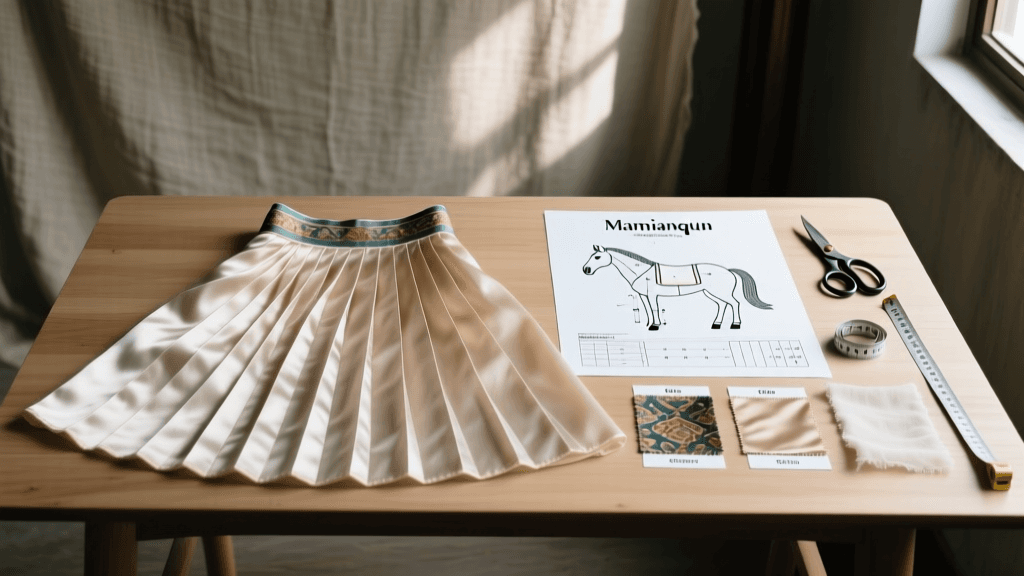
Best Kimono Sewing Workshops 2026: Master Wafuku Construction
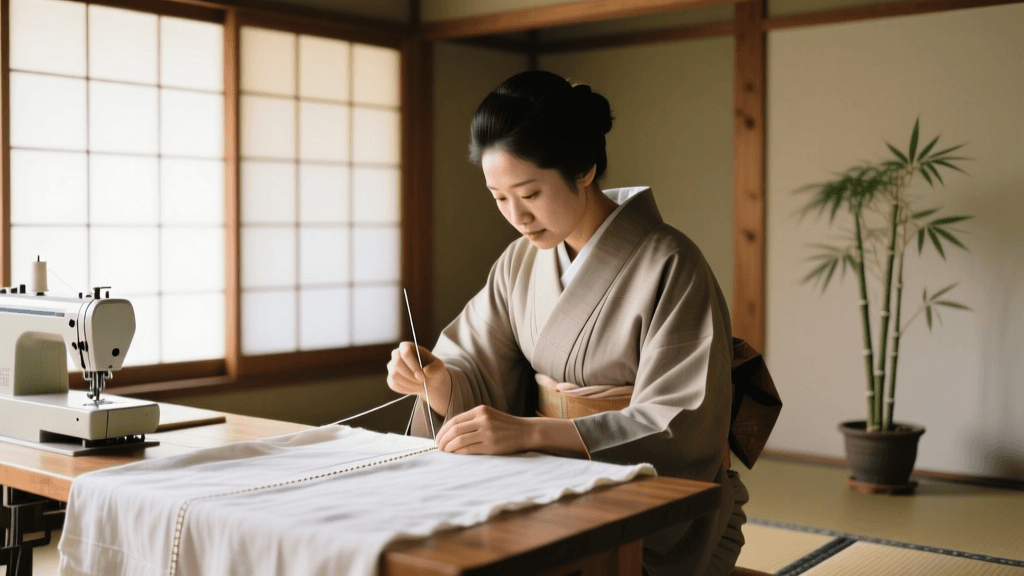
The 2026 Resurgence of Traditional Wafuku Sewing
As the global fashion industry pivots heavily toward sustainable, zero-waste methodologies in 2026, the ancient art of Wafuku (traditional Japanese clothing) construction has experienced an unprecedented renaissance. Unlike Western tailoring, which relies on complex curved seams and significant fabric waste, the traditional kimono is engineered from a single bolt of fabric known as a tanmono. This straight-line sewing technique, or chokusen-dachi, ensures that every inch of the textile is utilized, and the garment can be entirely disassembled, cleaned, and resewn. For textile enthusiasts, slow-fashion advocates, and cultural preservationists, enrolling in a dedicated kimono sewing workshop is no longer just a niche hobby—it is a masterclass in sustainable garment engineering.
According to cultural heritage analysts, enrollment in traditional Asian garment-making seminars has surged by over 40% since 2024, with 2026 marking a peak year for hybrid and international cohort offerings. Whether you are looking to construct your first yukata (summer cotton kimono) or master the intricate silk layering of a formal uchikake, the workshops available this year offer unparalleled access to master artisans. In this comprehensive guide, we explore the top kimono sewing workshops and Wafuku construction seminars of 2026, equipping you with the knowledge to choose the right program for your sartorial journey.
The structural brilliance of the kimono has been widely documented by global institutions. As noted by the Victoria and Albert Museum, the T-shaped, straight-seamed structure of the kimono is not merely an aesthetic choice but a profound reflection of Japanese textile philosophy, prioritizing the preservation of the fabric over the permanent shaping of the garment.
Understanding the Philosophy of Wafuku Construction
Before selecting a workshop, it is vital to understand what distinguishes Wafuku sewing from Western dressmaking. In a standard 2026 sewing seminar, you will quickly learn that traditional Japanese garments do not use darts, pleats, or curved armholes. Instead, the kimono relies on the natural drape of the fabric and the precise alignment of straight seams.
The Tanmono System
A standard tanmono measures approximately 38 centimeters (15 inches) in width and 12 meters (13 yards) in length. This specific dimension dictates the entire pattern-making process. Workshops will teach you how to cut the bolt into eight primary rectangular panels: two for the body, two for the sleeves, two for the overlapping front panels (okumi), and a narrow collar panel (eri). Because the fabric is cut along the grain and selvedge edges are preserved, there is virtually zero waste.
Essential Stitching Techniques
- Honsan (Main Seams): The foundational straight stitch used to join the primary panels. Modern workshops emphasize achieving a consistent stitch length of exactly 3 millimeters.
- Kuke (Blind Stitching): Used for hemming the sleeves and bottom edge. Artisans spend hours mastering this invisible stitch, ensuring the silk folds cleanly without puckering.
- Chikusen (Snip and Fold): A technique used at the intersections of thick silk seams to reduce bulk without compromising the structural integrity of the garment.
Top Kimono Sewing Workshops and Seminars for 2026
The landscape of traditional garment education has evolved. While Tokyo remains the epicenter of Wafuku mastery, 2026 has seen a massive expansion of accessible, high-quality seminars globally and online. Here are the premier institutions offering kimono construction courses this year.
1. Bunka Fashion College: Intensive Wafuku Masterclass (Tokyo & Virtual)
Bunka Fashion College remains the gold standard for garment education in Japan. In 2026, their highly coveted 'Intensive Wafuku Masterclass' is offered in a hybrid format. Students can attend the three-week immersive program in Shinjuku, Tokyo, working directly with master wasai (Japanese tailors), or participate via their new high-definition, multi-angle virtual atelier. The curriculum covers everything from basic yukata cotton sewing to advanced silk manipulation and the creation of the intricate haori jacket. The 2026 tuition for the virtual cohort is approximately $1,800 USD, excluding materials.
2. Japan Society: Weekend Artisan Seminars (New York & Global Livestream)
For those unable to commit to a multi-week intensive, the Japan Society offers exceptional weekend seminars focused on specific components of the kimono. Their 2026 spring lineup features a highly rated two-day workshop dedicated entirely to the art of the eri (collar) and kake-eri (decorative collar). These seminars are perfect for intermediate sewers who understand basic straight-line construction but struggle with the precise tension required for silk collars. Priced at $350 USD for in-person attendees and $150 USD for livestream participants, these workshops provide an accessible entry point into high-level Wafuku techniques.
3. The Kyoto Textile Archive: Virtual Zero-Waste Pattern Cutting
While not exclusively a sewing workshop, the Kyoto Textile Archive's 2026 seminar series on 'Zero-Waste Pattern Cutting via the Tanmono Method' is essential for modern fashion designers looking to integrate traditional Asian methodologies into contemporary sustainable design. This seminar focuses on the mathematics and geometry of the kimono bolt, teaching students how to adapt traditional dimensions for modern, non-silk textiles while maintaining the zero-waste ethos.
2026 Workshop Comparison Chart
To help you select the right program, we have compiled a comparison of the top three kimono sewing pathways available this year.
| Workshop / Institution | Format & Duration | 2026 Estimated Cost (USD) | Skill Level | Primary Focus |
|---|---|---|---|---|
| Bunka Fashion College | 3 Weeks (Hybrid/In-Person) | $1,800 (Virtual) / $4,500 (In-Person) | Intermediate to Advanced | Full Kimono & Haori Construction |
| Japan Society | 2 Days (Weekend Seminar) | $150 (Livestream) / $350 (In-Person) | Beginner to Intermediate | Collar (Eri) & Hemming Techniques |
| Kyoto Textile Archive | 4 Weeks (Online Modules) | $600 | All Levels (Design Focus) | Zero-Waste Geometry & Tanmono Math |
Essential Tools for Your 2026 Wafuku Starter Kit
Attending a seminar requires the proper equipment. Traditional Japanese sewing tools are distinctly different from Western notions, and attempting to use standard dressmaking shears or western irons will hinder your progress. Most 2026 workshops require students to procure the following authentic tools prior to the first session:
- Hera (Bamboo Spatula): Used to crease fabric and mark seam allowances instead of using chalk or tracing wheels, which can stain delicate silks. A high-quality bamboo hera costs around $15 USD.
- Shirushi-ito (Marking Thread): A specialized, easily breakable silk or cotton thread used to mark pattern lines on the tanmono without leaving permanent holes or ink stains. Expect to pay $20 USD for a set of traditional colors.
- Kote (Traditional Iron): Unlike modern steam irons, the traditional kote is a heavy, specialized tool used to press thick silk seams flat without introducing moisture that could water-stain the fabric. Modern electric versions designed for Wafuku are available in 2026 for approximately $120 USD.
- Machi-bari (Silk Pins): Extra-fine, exceptionally sharp pins designed to pass through tightly woven silk without snagging or breaking the threads. A set of 50 premium machi-bari costs about $25 USD.
- Harite (Tension Clips): Heavy weighted clips used to hold the long kimono panels taut on the sewing table, ensuring perfectly straight seams over the 12-meter length of the fabric.
Sourcing Authentic Tanmono in 2026
The most common hurdle for students entering a kimono sewing workshop is sourcing an authentic tanmono. Standard fabric store yardage is typically 114cm to 150cm wide, which is entirely incompatible with traditional Wafuku pattern cutting. In 2026, the global supply chain for traditional Japanese textiles has stabilized, offering several reliable avenues for procurement.
For brand-new, artisan-dyed silk bolts, students are increasingly turning to direct-to-consumer platforms established by weaving cooperatives in Nishijin (Kyoto) and Yuki (Ibaraki). These cooperatives now offer English-language portals and international shipping, with a standard silk tanmono ranging from $400 to $1,200 USD depending on the complexity of the weave and dye.
For beginners practicing their stitching, vintage cotton tanmono are highly recommended. Online vintage kimono recyclers based in Osaka and Tokyo have revolutionized their export logistics in 2026, offering unworn, vintage cotton bolts (often dating back to the mid-Showa era) for as little as $45 to $80 USD. These vintage bolts are pre-washed, soft, and forgiving, making them the ideal canvas for mastering the honsan and kuke stitches before investing in premium silk.
Conclusion: Stitching the Future of Slow Fashion
Learning to construct a traditional kimono is a profound exercise in patience, precision, and respect for materials. The workshops and seminars available in 2026 offer a unique bridge between ancient Asian traditions and the modern imperative for sustainable, zero-waste fashion. Whether you choose the rigorous, immersive environment of Bunka Fashion College in Tokyo, the accessible weekend seminars at the Japan Society, or the theoretical deep-dives into zero-waste geometry, mastering Wafuku construction will fundamentally change how you view garment making. By embracing the straight line and honoring the tanmono, you are not just sewing a garment; you are preserving a vital piece of Asian cultural heritage for the next generation.