DIY Mamianqun Sewing Guide: Patterns, Pleats, and Fabric
The Renaissance of the Mamianqun
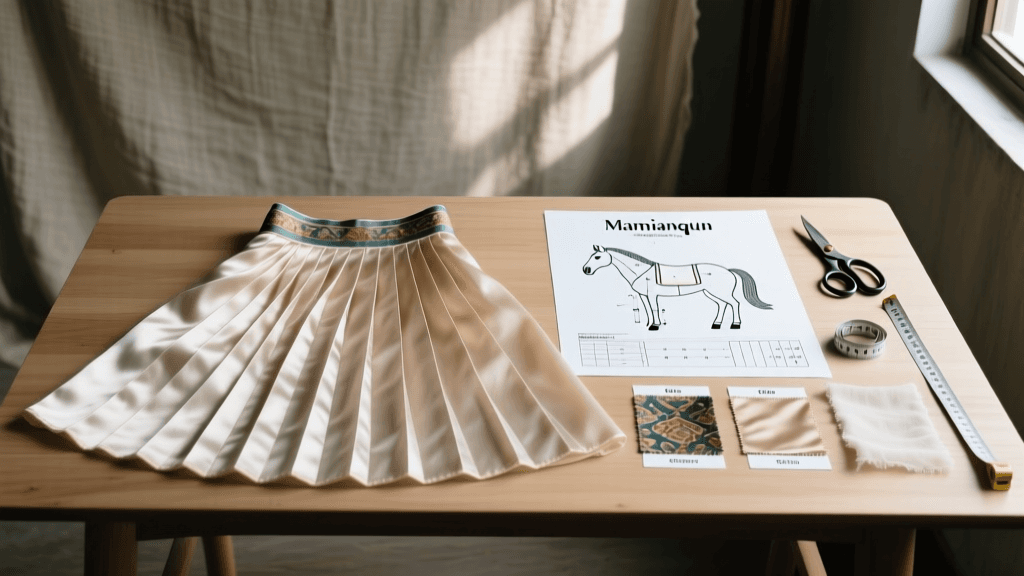
The Mamianqun, commonly translated as the 'horse-face skirt,' is a masterpiece of traditional Chinese garment engineering. Originating in the Song Dynasty and reaching its zenith during the Ming Dynasty, this skirt is defined by its flat front and back panels (the 'horse faces') flanked by intricate, overlapping knife pleats. Today, the Hanfu movement has propelled the Mamianqun into modern streetwear and international couture. As noted by BBC Culture, the revival of Hanfu is not merely a cosplay trend but a profound reconnection with Chinese heritage, with the Mamianqun leading the charge due to its versatility and striking silhouette. For the DIY sewist, drafting and constructing this skirt is a rewarding exercise in precision, geometry, and textile manipulation.
Essential Tools and Measurements
Before purchasing fabric, you must gather accurate measurements and specialized tools. Unlike Western skirt patterns that rely on darts to shape the waist, the Mamianqun uses a wrap-around overlapping design and pleating to accommodate the hips and waist without restricting movement.
Required Measurements
- Waist Circumference: Measure exactly where you intend the skirt to sit (traditionally the natural waist, above the navel).
- Hip Circumference: Measure the fullest part of your hips to ensure the flat panels provide adequate coverage and modesty when sitting.
- Skirt Length: Measure from the waist down to the ankle or floor, depending on your preferred historical era and styling.
Specialized Sewing Tools
- Pleater Board or Ruler/Clips: Essential for maintaining uniform 1-inch to 1.5-inch knife pleats across several yards of fabric.
- Wooden Clapper and Steam Iron: Heavy steam is required to set the pleats permanently, especially in natural fibers. The clapper traps the heat and moisture to force a crisp crease.
- Pattern Weights and Rotary Cutter: For cutting long, continuous fabric panels without distortion or shifting.
Fabric Selection for Hanfu Skirts
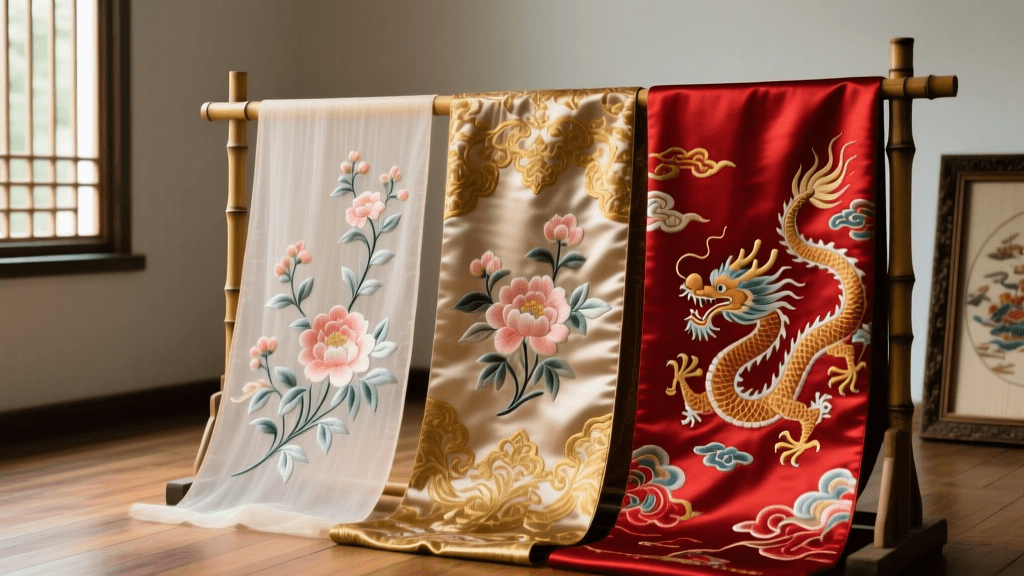
Choosing the correct textile is arguably the most critical step in DIY Hanfu construction. The fabric must have enough body to hold sharp pleats but enough drape to flow gracefully when walking. Historically, wealthy Ming Dynasty women wore heavy silk brocades, while commoners utilized cotton, hemp, or ramie. Today, UNESCO Intangible Cultural Heritage recognizes traditional Chinese sericulture and silk craftsmanship, highlighting the enduring legacy of these textiles in garment making. When selecting fabric, consider the weight, fiber content, and maintenance requirements.
| Fabric Type | Weight & Drape | Pleat Retention | Best Use Case | Approx. Cost (per yard) |
|---|---|---|---|---|
| Silk Brocade / Jacquard | Heavy, Structured | Excellent (with steam) | Winter, Formal Events, Outerwear | $20 - $45 |
| Mulberry Silk (Crepe de Chine) | Light, Fluid | Good (requires edge-stitching) | Summer, Luxury Daily Wear | $25 - $50 |
| Cotton-Linen Blend | Medium, Crisp | Very Good | Casual, Historical Reenactment | $10 - $18 |
| Polyester Suiting | Medium, Flowy | Superior (heat-settable) | Beginners, Cosplay, Travel | $6 - $12 |
Pro Tip: Avoid slippery, lightweight silks like charmeuse or chiffon for your first Mamianqun. They are notoriously difficult to pleat evenly and will require extensive hand-basting. A medium-weight polyester suiting or a cotton-linen blend is highly recommended for beginners to practice pleat geometry before investing in expensive silks.
Drafting the Pattern and Pleat Math
The Mamianqun is constructed from two identical, large rectangular panels of fabric that wrap around the body and overlap at the sides. The magic lies in the mathematical distribution of the pleats and the overlapping structure.
The Geometry of the Skirt
Each of the two main panels consists of a flat 'horse face' (Ma Mian) in the center, bordered by a series of knife pleats on both sides. When wrapped, the flat panel of the front piece aligns perfectly over the pleated section of the back piece, creating the illusion of a flat front and back with pleated sides. The front and back panels overlap by about 1/4 of the waist circumference to ensure modesty when sitting or walking in the wind.
Calculating Your Fabric Width
To determine the width of each rectangular panel, use the following formula:
Panel Width = (Waist Circumference x 1.5) + Overlap Allowance + Pleat Depth Multipliers + Seam Allowances
For a standard modern Mamianqun with 1-inch (2.5 cm) visible pleats and a flat panel on each side:
- Flat Panel (Ma Mian): Typically 1/4 of your waist circumference plus 2 inches for overlap and centering.
- Pleated Section: You will need approximately 3 to 4 times the width of the visible pleat area to account for the under-fold of the knife pleats. A 1-inch visible pleat requires about 3 inches of fabric (1 inch visible, 2 inches hidden underfold).
- Total Fabric Required: For an average waist of 28 inches and a skirt length of 38 inches, you will need approximately 5 to 6 yards of 45-inch wide fabric (or 3.5 yards of 60-inch wide fabric).
Step-by-Step Sewing Instructions
Step 1: Cutting and Hemming
Cut your two main rectangular panels. Before pleating, you must finish the bottom hem and the vertical side edges. Traditional Hanfu skirts often feature a contrasting binding tape along the bottom hem to add weight and protect the fabric from dragging. Cut a 2-inch wide bias strip of contrasting fabric, fold it over the bottom raw edge, and stitch it down. This added weight will drastically improve the drape and swing of the skirt, keeping the pleats anchored.
Step 2: Marking and Pressing the Pleats
Lay the fabric flat on a large table. Using a fabric marker and a clear quilting ruler, mark the fold lines and placement lines for your knife pleats. All pleats on a single panel should face the same direction, pointing toward the center flat panel. Fold the fabric along the marked lines, securing each fold with sewing clips. Use a steam iron and a wooden clapper to press the pleats sharply. The clapper traps the steam in the fibers, setting the crease permanently.
Step 3: Basting and Fitting
Once the pleats are pressed, run a line of machine basting stitches across the top raw edge (about 1/4 inch from the edge) to hold the pleats in place. Try the skirt on by wrapping it around your waist to ensure the flat panels sit centered on your front and back, and that the pleats fall smoothly over your hips without flaring out awkwardly. Adjust the tension of the pleats near the waist if necessary to create a smooth silhouette.
Step 4: Attaching the Waistband (Baiyao)
The traditional waistband is a separate, rectangular piece of fabric, usually white or a contrasting color, representing purity and inner structure. Cut a waistband piece that is the length of your waist plus 12 inches for ties, and 4 inches wide. Fold it in half lengthwise, sandwich the top edge of your pleated skirt panels inside, and stitch securely. To reduce bulk at the waist, trim the seam allowances of the pleats before enclosing them in the waistband. Attach long, wide fabric ties to each end of the waistband to allow for the traditional wrap-and-tie closure.
Sourcing Authentic Materials and Trims
While local fabric stores can provide the base materials, sourcing authentic trims elevates a DIY project into a museum-quality garment. The Metropolitan Museum of Art's extensive archives on Chinese silk and textile history showcase the intricate woven borders (Lan) historically used to adorn the hems and knees of Mamianqun. Today, you can purchase pre-woven jacquard trim tapes featuring traditional motifs like flying cranes, lotus flowers, or dragons.
For the best selection of Hanfu-specific trims, brocades, and pre-pleated fabrics, online marketplaces like Taobao and AliExpress are invaluable. Search for terms like 'Mamianqun trim tape' or 'Hanfu brocade fabric'. Expect to pay between $5 and $15 per yard for high-quality woven trims. When applying these trims, use a walking foot on your sewing machine to prevent the heavy trim and the pleated base fabric from shifting out of alignment during stitching.
Conclusion: Mastering the Art of Hanfu Tailoring
Sewing your own Mamianqun is a deeply rewarding journey into the heart of Asian sartorial traditions. It requires patience, an understanding of geometric pattern drafting, and a respect for historical textiles. By carefully selecting your fabric, mastering the steam-pleating technique, and finishing your garment with authentic woven trims, you create more than just a piece of clothing—you craft a wearable piece of history. Whether you are attending a Hanfu convention, participating in a traditional tea ceremony, or simply integrating historical silhouettes into your modern wardrobe, a handmade Mamianqun stands as a testament to the timeless elegance of Chinese fashion.