The Modern Samue: Japan's Ultimate Casual Loungewear Guide
Introduction to the Samue: Japan's Best-Kept Comfort Secret
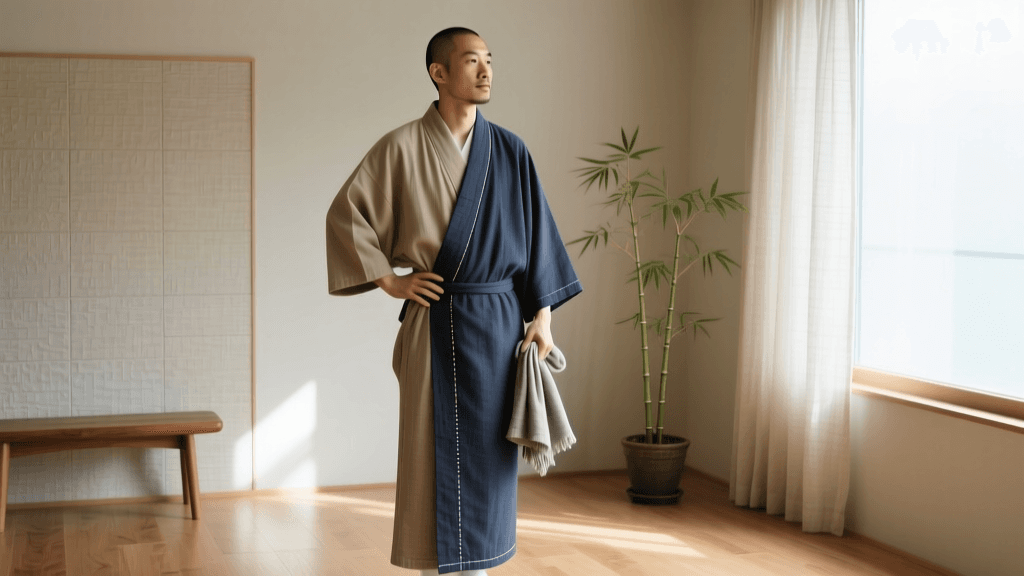
When travelers and fashion enthusiasts think of Japanese traditional clothing, the elegant silk kimono or the festive summer yukata usually dominate the conversation. However, for everyday comfort, unmatched practicality, and versatile casual wear, nothing beats the samue. Originally designed as utilitarian workwear for Zen Buddhist monks, the samue has seamlessly evolved into Japan's ultimate casual loungewear and everyday garment. Whether you are working from home, attending a casual outdoor gathering, or simply seeking breathable comfort, the samue offers a sophisticated yet deeply relaxed alternative to modern sweatpants and t-shirts.
In this comprehensive guide, we will explore the rich history of the samue, compare it to other casual Japanese garments, and provide actionable advice on how to measure, buy, and style your own authentic set.
The Origins of Samue: From Monastic Chores to Modern Lounging
The term 'samue' translates roughly to 'clothing for work' or 'chores.' Historically, Zen Buddhist monks wore these garments while performing samu—the physical, everyday chores that are considered an essential part of Zen practice, such as sweeping the temple grounds, chopping wood, and farming. Because the monks needed freedom of movement, the samue was designed with a loose-fitting jacket and matching trousers, secured with simple cotton cords rather than the complex, restrictive obi sashes used in formal kimono.
Over the centuries, the practicality of the samue caught the attention of artisans, farmers, and eventually the general public. According to heritage Kyoto garment makers like Wasuian, the transition of the samue from strictly monastic circles to mainstream Japanese households occurred largely during the mid-20th century. Today, it is a staple in Japanese homes, beloved for its breathable fabrics, forgiving fit, and understated elegance. Cultural publications such as Japan Forward frequently highlight how traditional workwear like the samue continues to influence modern Japanese lifestyle and wellness trends, bridging the gap between ancient mindfulness and contemporary relaxation.
Samue vs. Yukata vs. Jinbei: Which Casual Wear is Right for You?
To understand where the samue fits into the wardrobe of everyday traditional Japanese wear, it is helpful to compare it with the yukata and the jinbei. Below is a structured comparison to help you choose the right garment for your needs.
| Feature | Samue | Yukata | Jinbei |
|---|---|---|---|
| Primary Use | Workwear, Loungewear, Casual Outings | Summer Festivals, Onsen, Sleepwear | Summer Loungewear, Quick Errands |
| Material | Cotton, Linen, Tsumugi, Quilted | Lightweight Cotton, Polyester | Cotton, Seersucker |
| Bottom Half | Full-length or cropped trousers | N/A (One-piece wrap garment) | Shorts |
| Seasonality | Year-round (fabric dependent) | Strictly Summer | Strictly Summer |
| Average Cost | $50 - $250 USD | $30 - $150 USD | $25 - $80 USD |
While the yukata and jinbei are strictly reserved for warm weather and specific events, the samue is a true four-season garment. Its two-piece trouser design also makes it significantly more practical for active chores, working in the garden, or lounging on the couch without worrying about a wrap skirt coming undone.
Choosing the Right Samue Fabric by Season
One of the greatest advantages of the samue is its adaptability to different climates. When shopping for your first set, pay close attention to the textile. Here are the most common fabrics and when to wear them:
Summer and Spring: Waffle-Weave and Linen
For hot and humid weather, look for Kurashiki Waffle or pure linen samue. The waffle-weave cotton, originating from the textile hub of Kurashiki, features a textured grid that prevents the fabric from clinging to sweaty skin, allowing for maximum airflow. Linen samue offer a crisp, cooling sensation and are highly durable, though they do wrinkle easily—a trait that is considered part of their natural charm.
Autumn and Winter: Tsumugi and Quilted Cotton
As the temperature drops, transition to Tsumugi or quilted samue. Tsumugi is a traditional pongee silk or cotton-silk blend fabric characterized by its slubbed, uneven texture and incredible insulating properties. For deep winter, you can purchase quilted samue lined with soft cotton batting, providing the warmth of a heavy robe with the mobility of a tracksuit.
How to Wear and Size Your Samue: A Practical Guide
Unlike the highly structured kimono, the samue is remarkably forgiving. However, getting the right fit ensures the garment drapes correctly and does not look like oversized sleepwear.
Taking Your Measurements
Most traditional Japanese makers use a height-based sizing system rather than strict chest or waist measurements. Here is a general sizing guide:
- Size S: Heights 150cm - 160cm (4'11' - 5'3')
- Size M: Heights 165cm - 175cm (5'5' - 5'9')
- Size L: Heights 175cm - 185cm (5'9' - 6'1')
- Size LL/XL: Heights 185cm+ (6'1'+)
The jacket should fall just below the hips, covering the seat. The sleeves are typically three-quarter length or cuffed at the wrist to prevent them from dipping into food or getting caught in tools. The pants feature a drawstring or elastic waist and are meant to be tied securely at the natural waist, with the hem resting just above the ankle.
Tying the Himo (Cords)
The jacket is secured using himo (cotton cords) attached to the collar and waist. Simply cross the left side of the jacket over the right side (always left over right in Japanese tradition, as right over left is reserved for dressing the deceased). Tie the inner cord at the right waist, and the outer cord at the left waist using a simple bow or square knot.
Styling Your Samue for Modern Outings
While primarily worn at home, the samue is increasingly being worn as stylish streetwear in casual settings, especially in cultural hubs like Kyoto and Kanazawa. To elevate your samue from 'pajamas' to 'casual outing wear,' consider the following styling tips:
- Footwear: Pair your samue with setta (traditional Japanese sandals with a leather sole) or tabi socks. For a modern fusion look, clean, minimalist canvas sneakers work exceptionally well with cropped samue trousers.
- Undergarments: Wear a lightweight, breathable undershirt (such as a cotton V-neck or a traditional juban) beneath the jacket to absorb sweat and protect the samue fabric from body oils.
- Accessories: A folded tenugui (traditional cotton towel) tucked into the waistband or worn as a headband adds a pop of color and practical utility. A simple folding fan or a woven bamboo bag completes the aesthetic.
Buying Guide: Costs, Brands, and Where to Shop
Investing in a high-quality samue ensures longevity and superior comfort. Travel and culture guides like Japan Experience often recommend purchasing directly from specialized manufacturers to guarantee authentic craftsmanship and proper textile sourcing.
Expect to pay between 7,000 JPY and 15,000 JPY ($50 - $100 USD) for a standard, high-quality cotton summer samue. Premium fabrics like authentic silk-blend Tsumugi or hand-dyed indigo sets can range from 20,000 JPY to over 40,000 JPY ($130 - $270 USD).
Recommended Brands to Explore:
- Wasuian: Based in Kyoto, they are arguably the most famous samue maker, offering a massive variety of seasonal fabrics and modern colors.
- Samue-do: Excellent for durable, everyday workwear samue, often favored by artisans and potters.
- Kurashiki Kobo: Specializes in the highly breathable waffle-weave cotton textiles perfect for humid summers.
Care and Maintenance
One of the most practical aspects of the samue is its ease of care. Unlike silk kimonos that require expensive professional dry cleaning, most cotton and linen samue are machine washable.
To maintain the garment's shape and color, wash your samue in cold water using a gentle cycle and a mild, neutral detergent. Place the jacket and pants in a mesh laundry bag to prevent the himo cords from tangling or tearing the fabric. Avoid using a tumble dryer, as high heat can shrink the cotton and warp the drawstrings. Instead, reshape the garment while damp and hang it to dry in the shade. Direct sunlight can cause natural dyes, particularly indigo, to fade prematurely. With proper care, a high-quality samue will soften with every wash and remain a staple of your casual wardrobe for years to come.