Hanfu for Family Ceremonies 2026: Birth, Weddings & Ancestral Rites
The Evolution of Hanfu in Modern Family Milestones
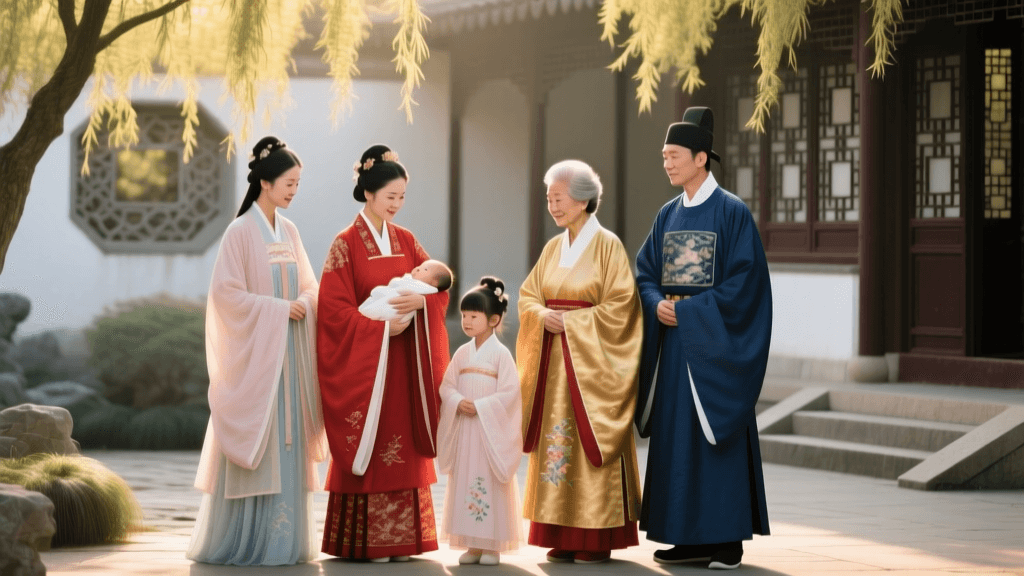
As we navigate through 2026, the Hanfu movement has matured far beyond street fashion and social media photoshoots. Today, traditional Han Chinese clothing is deeply woven into the sacred fabric of family life, serving as a vital bridge between ancestral heritage and modern milestones. For families seeking to honor their roots, selecting the appropriate Hanfu for major life events—birth, coming of age, marriage, and ancestral remembrance—requires an understanding of historical etiquette, textile symbolism, and contemporary market offerings.
The resurgence of ceremonial Hanfu is heavily supported by a renewed interest in intangible cultural heritage. According to UNESCO's Intangible Cultural Heritage list, the traditional sericulture and silk craftsmanship of China continue to inspire modern artisans. In 2026, families are prioritizing ethically sourced silks, natural plant-based dyes, and historically accurate tailoring to ensure their ceremonial garments are not only beautiful but culturally resonant. This comprehensive guide explores the specific Hanfu traditions and 2026 market trends for every major family ceremony.
Birth and Early Childhood: Zhuazhou and Auspicious Beginnings
The first major milestone in a child's life is the Zhuazhou (first birthday) ceremony. Historically, this ritual involves placing the child in front of various objects to predict their future inclinations and career. In 2026, dressing the infant in traditional Hanfu for this event has become a standard practice among culturally conscious families.
Tiger Motifs and Protective Textiles
For infants, the primary concern is comfort and protection. Traditional Hutoumao (tiger hats) and Hutouxie (tiger shoes) remain incredibly popular. The tiger is considered a protective deity in Chinese folklore, warding off evil spirits and ensuring the child's health. Modern 2026 iterations of these accessories utilize organic bamboo-cotton blends and peace silk, ensuring that no harsh synthetic dyes irritate the baby's sensitive skin.
For the main garment, parents typically choose a soft, cross-collared Jiaoling Youren top paired with loose, comfortable trousers. Auspicious colors like soft crimson, peach, and jade green are favored. Embroidery often features lotus flowers (symbolizing purity) or pomegranates (symbolizing fertility and a thriving family lineage). When sourcing these items today, boutique brands specializing in heritage childrenswear offer custom sizing based on 3D body scans, ensuring a perfect, non-restrictive fit for active toddlers.
Coming of Age: Guanli and Jili Ceremonies
The transition into adulthood is marked by the Guanli (capping ceremony for young men at age 20) and the Jili (hairpin ceremony for young women at age 15). These ancient rites, which date back to the Zhou Dynasty, have seen a massive revival in 2026, with many high schools and universities in Asia hosting collective coming-of-age ceremonies.
The Symbolism of the Shenyi
The most historically significant garment for these ceremonies is the Shenyi (deep robe). The Shenyi is a one-piece robe that connects the upper and lower garments, symbolizing the unity of heaven and humanity, as well as the moral integrity expected of an adult. For young men, the ceremony involves the progressive adding of three different caps, culminating in the formal Juelian cap, paired with a dark, dignified Shenyi featuring subtle geometric weaving rather than loud embroidery.
For young women, the Jili involves the styling of hair into a traditional bun, secured with a Zan (hairpin). The garment of choice is often the Qixiong Ruqun (chest-high skirt) or a formal Aoqun (jacket and skirt combination) in serene, elegant colors like celadon or pearl white. In 2026, it is highly customary for the hairpin to be a family heirloom or a newly commissioned piece crafted from ethically sourced jade and recycled gold, symbolizing the passing down of family virtues.
Hanfu Wedding Attire: 2026 Trends and Traditions
No family ceremony is as visually spectacular or culturally complex as the traditional Chinese wedding. While the Western white wedding dress remains common, 2026 has seen a definitive shift toward full traditional Hanfu wedding banquets, or at least a dedicated traditional tea ceremony segment where Hanfu is mandatory. The choice of dynasty style dictates the color palette, silhouette, and overall atmosphere of the wedding.
Comparing Dynasty Wedding Styles
Choosing the right historical period for a wedding Hanfu depends on the couple's aesthetic preferences and the season of the wedding. Below is a comparison of the three most popular dynasty styles for weddings in the current market.
| Dynasty Style | Key Garments | 2026 Avg. Price (USD) | Best For |
|---|---|---|---|
| Tang Dynasty | Daxiushan (Large Sleeve Robe), Qixiong Ruqun | $600 - $1,800 | Opulent, vibrant summer weddings; bold makeup |
| Song Dynasty | Beizi (Long Jacket), Baizhe Skirt | $450 - $1,400 | Minimalist, elegant, scholarly, and garden ceremonies |
| Ming Dynasty | Fengguan Xiapei (Phoenix Crown), Mamianqun | $1,500 - $5,000+ | Formal, grand, traditional winter/autumn banquets |
The Majesty of Ming Dynasty Wedding Hanfu
The Ming Dynasty style remains the undisputed favorite for grand, formal weddings in 2026. The bride's attire, often referred to as Fengguan Xiapei (Phoenix Crown and Cloud Cape), is a masterpiece of textile engineering. The Mamianqun (horse-face skirt) is heavily pleated and adorned with intricate Zhi Jin (woven gold) motifs of dragons, phoenixes, and peonies. According to textile archives at the Metropolitan Museum of Art, the complexity of Chinese silk weaving reached extraordinary heights during the Ming era, a legacy that modern Jacquard looms and artisan weavers are meticulously recreating today.
For the groom, the traditional Ming wedding attire consists of a dark blue or black Yuanlingpao (round-collar robe) with an official's hat and a leather belt. The stark contrast between the groom's dark, grounded robes and the bride's vibrant red and gold ensemble represents the balance of Yin and Yang. In 2026, couples are increasingly investing in bespoke, hand-embroidered Ming wedding sets, treating them not just as wedding day attire, but as generational heirlooms to be passed down to future children.
Ancestral Rites and Mourning Attire: Respect and Remembrance
While births and weddings are celebrations of life and continuity, ancestral rites (Jili) and mourning ceremonies (Sangfu) require a deeply respectful, subdued approach to dress. Honoring deceased family members during the Qingming Festival, the Hungry Ghost Festival, or private family memorials demands strict adherence to traditional color theory and fabric modesty.
The Etiquette of Sangfu
Historically, the Sangfu (mourning dress) system was highly complex, dictating the exact coarseness of the fabric based on the mourner's relationship to the deceased. While the extreme five-tier mourning system of antiquity is no longer strictly enforced in modern urban centers, the core principles remain relevant in 2026. Flashy colors, metallic threads, and animal motifs are strictly forbidden.
Modern mourning Hanfu relies on unbleached hemp, raw linen, and plain white or muted indigo cotton. The silhouettes are deliberately simple, often featuring unadorned Jiaoling Pao (cross-collared robes) without decorative borders. The focus is on humility, grief, and spiritual connection. Recent advancements in eco-friendly textile processing have made raw hemp significantly softer and more breathable than historical iterations, allowing families to observe lengthy mourning periods in physical comfort while maintaining strict traditional etiquette.
Sourcing and Caring for Ceremonial Hanfu in 2026
Acquiring authentic, high-quality Hanfu for these vital family ceremonies requires careful planning. The 2026 market is saturated with fast-fashion, historically inaccurate costumes, making it crucial to purchase from established heritage brands or independent artisans who consult historical texts and museum archives, such as those preserved in the Victoria and Albert Museum's Asian Collections.
Investment and Tailoring
For weddings and coming-of-age ceremonies, off-the-rack garments are rarely sufficient. Custom tailoring is the standard, with lead times often stretching from four to eight months. When commissioning a piece, pay close attention to the Jie (seam lines) and the drape of the fabric. Authentic Hanfu relies on flat-pattern cutting, which creates a distinct, flowing silhouette that accommodates various body types without the need for darts or tight tailoring.
Preservation and Heirloom Care
Ceremonial Hanfu, particularly those woven with real gold thread or dyed with sensitive natural pigments like madder root and indigo, require specialized care. In 2026, professional textile conservators recommend storing heavy silk robes flat in acid-free tissue paper within cedar chests to prevent moisture buildup and pest damage. Never hang heavy Ming-style wedding skirts, as the weight of the pleats will distort the silk fibers over time. For cleaning, seek out eco-friendly dry cleaners who specialize in heritage textiles and avoid water-based washing for woven gold brocades.
Conclusion
The integration of Hanfu into family ceremonies is a profound declaration of cultural identity. Whether wrapping a newborn in protective tiger motifs, stepping into adulthood in a dignified Shenyi, exchanging vows beneath the weight of a Ming Dynasty Phoenix Crown, or bowing in quiet reverence in unbleached hemp, the garments we choose anchor our modern lives to centuries of ancestral wisdom. By understanding the etiquette, history, and proper care of these textiles, families in 2026 are ensuring that the beauty and philosophy of Han Chinese dress will continue to thrive for generations to come.