Best 2026 Workshops for Traditional Kimono & Hanbok Sewing
The 2026 Renaissance of Heritage Garment Construction
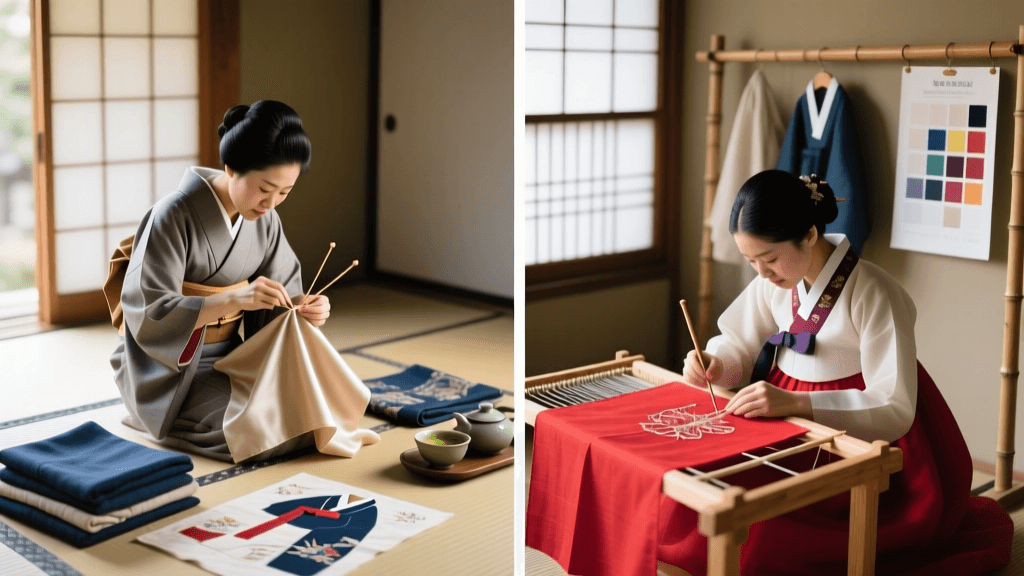
As the global slow-fashion movement matures in 2026, a profound appreciation for the meticulous craftsmanship of traditional Asian garments has taken center stage. Discerning makers and designers are no longer satisfied with merely wearing traditional clothing; they want to understand the architectural brilliance of its construction. From the zero-waste, straight-line geometry of the Japanese kimono to the elegant, sweeping curves of the Korean hanbok, mastering these techniques requires dedicated study. Fortunately, 2026 has brought an unprecedented expansion in both in-person masterclasses and high-fidelity virtual seminars, making these ancient tailoring arts more accessible than ever.
Whether you are a bespoke tailor looking to integrate Eastern structural elements into modern couture, or a heritage enthusiast seeking to craft your own ceremonial wear, selecting the right educational environment is crucial. This guide explores the premier workshops and seminars for learning traditional Wafuku (Japanese garment) and Hanbok construction in 2026, comparing their curricula, costs, and technological integrations.
Mastering Wafuku: Kimono Sewing Seminars in Kyoto and Online
The construction of a traditional kimono, known as Wafuku, is a masterclass in geometric precision and fabric preservation. Unlike Western tailoring, which relies on curved seams and cutting fabric to fit the body, Wafuku utilizes straight-line sewing from bolts of fixed-width fabric, known as tanmono. According to the Metropolitan Museum of Art's Heilbrunn Timeline of Art History, this T-shaped, linear construction not only allows the garment to be easily disassembled, cleaned, and re-sewn, but it also ensures that virtually no fabric is wasted during the cutting process.
In 2026, the most sought-after Wafuku workshops are located in Kyoto's Nishijin weaving district, where master artisans teach the art of hon-ba (true stitching). These intensive, three-week in-person seminars cover everything from drafting patterns using traditional bamboo rulers (shinshin) to executing the nearly invisible kake-jaku (hem stitching) and kuge (hidden basting) techniques. Students learn to manipulate heavy silk crepes like Tango chirimen and intricate brocades without distorting the warp and weft.
For those unable to travel to Japan, 2026 has seen the rise of hybrid virtual Wafuku academies. These online seminars utilize augmented reality (AR) loom simulations and digital tanmono mapping. Students receive physical fabric bolts shipped globally, while instructors use multi-angle 4K cameras to demonstrate the precise tension required for shibori integration and silk thread knotting. The virtual curriculum heavily emphasizes the modern adaptation of traditional stitches, teaching students how to reinforce high-stress areas like the okumi (front panel) using 2026's advanced bio-silk threads that mimic historical tensile strength without the degradation of organic silk over time.
Crafting the Hanbok: Seoul's Premier Ateliers and Virtual Workshops
While the kimono relies on straight lines, the traditional Korean hanbok is defined by its breathtaking curves and voluminous silhouettes. The architecture of the hanbok—specifically the jeogori (jacket) and the chima (skirt)—requires a completely different set of tailoring skills. The Korea Tourism Organization notes that cultural immersion programs focusing on hanbok craftsmanship have surged in popularity throughout 2026, driven by a global interest in the structural fluidity of Korean historical dress.
Seoul's premier hanbok ateliers, particularly those situated near the Bukchon Hanok Village, offer rigorous weekend and month-long masterclasses. The cornerstone of these 2026 seminars is mastering the baerae, the elegantly curved underarm seam of the jeogori that gives the garment its signature wing-like silhouette when the arms are at rest. Instructors guide students through the complex process of steaming and shaping the fabric over traditional wooden molds, a technique that has been modernized with ultrasonic steam-pressing tools to ensure permanent curve retention in delicate ramie and Myeongju (Korean raw silk).
Another critical focus in Seoul's 2026 workshops is the creation of the goreum, the long, flowing ribbon ties that secure the jeogori. Students learn the precise mathematics of the goreum knot, ensuring the loops and tails fall at the exact historically accurate angles. Furthermore, virtual hanbok seminars have integrated CLO 3D software into their curriculum, allowing remote students to simulate the drape and physics of heavy silk skirts before cutting their physical fabrics. This digital-first approach drastically reduces material waste for international students learning the intricate box-pleating techniques required for the chima.
2026 Workshop Comparison: In-Person vs. Virtual Masterclasses
Choosing between an immersive in-person atelier and a technologically advanced virtual seminar depends on your budget, location, and learning style. Below is a comprehensive comparison of the top-rated traditional garment workshops available in 2026.
| Workshop Name | Location / Format | Duration | 2026 Cost (USD) | Primary Focus & Techniques |
|---|---|---|---|---|
| Nishijin Wafuku Intensive | Kyoto, Japan (In-Person) | 3 Weeks | $4,200 | Straight-line geometry, hon-ba stitching, tanmono fabric mapping, silk basting. |
| Bukchon Hanbok Heritage | Seoul, South Korea (In-Person) | 10 Days | $2,800 | Baerae curve shaping, goreum knot mathematics, chima pleating, ramie steaming. |
| Global Virtual Wafuku | Online (Live Hybrid) | 12 Weeks | $1,450 | AR fabric simulation, hidden hem stitching, bio-silk thread tensioning, modern adaptations. |
| Digital Hanbok Atelier | Online (CLO 3D Integrated) | 8 Weeks | $1,100 | 3D drape physics, virtual pattern drafting, digital pleating, historical color theory. |
Essential 2026 Toolkit for Traditional Asian Tailoring
Regardless of whether you choose to study in Kyoto, Seoul, or from your home studio, mastering these garments requires specialized tools. The 2026 standard toolkit for heritage tailoring bridges the gap between centuries-old implements and modern precision instruments.
- Shinshin (Bamboo Measuring Sticks): While traditional bamboo sticks remain essential for Wafuku drafting to prevent stretching the silk, 2026 models often feature laser-etched, non-fading metric and traditional shaku measurements.
- Ultrasonic Pleating Wands: Used primarily in modern Hanbok seminars, these handheld tools use high-frequency vibrations to set permanent pleats in synthetic-blend silks without the risk of scorching that traditional irons pose.
- Digital Tension Shears: Cutting heavy Nishijin-ori brocade or tightly woven ramie requires immense precision. Smart shears with built-in tension sensors alert the user via haptic feedback if the fabric is being pulled out of alignment during the cut.
- Water-Soluble Silk Marking Pens: The 2026 generation of marking pens uses a specialized enzyme-based ink that dissolves completely upon contact with room-temperature water, eliminating the need for harsh chemical spot-cleaners on delicate antique silks.
- Weighted Silk Basting Threads: Heavier, slightly waxed basting threads are crucial for holding slippery silk crepes in place before final stitching. Modern versions are dyed with natural indigo to provide high contrast against vibrant fabrics without bleeding.
Fabric Sourcing and Sustainability in 2026
A significant component of any 2026 garment-making seminar is learning how to ethically source materials. The environmental impact of traditional sericulture has been a major focus over the last few years, leading to the rise of peace silk (ahimsa silk) and lab-grown spider-silk alternatives that mimic the luster of traditional mulberry silk. Workshops now include modules on identifying the weave density and dye lot consistency of sustainable fabrics. Instructors teach students how to adapt historical patterns to accommodate the slightly different drape and weight of these modern, eco-conscious textiles, ensuring the structural integrity of the kimono or hanbok is maintained without compromising environmental ethics.
Selecting the Right Seminar for Your Skill Level
If you are a beginner with basic machine-sewing experience but no hand-finishing skills, the virtual hybrid courses are highly recommended. They allow you to pause, rewind, and practice complex hidden stitches at your own pace. Conversely, intermediate and advanced tailors who already understand fabric grain and drape will benefit immensely from the in-person intensives in Kyoto and Seoul. The tactile feedback of working directly alongside master artisans, feeling the exact tension they apply to a silk thread, and observing the physical manipulation of steamed ramie cannot be fully replicated through a screen.
Ultimately, the 2026 landscape of traditional Asian garment workshops offers a pathway for every dedicated maker. By investing the time to learn the profound structural philosophies behind Wafuku and Hanbok construction, you are not merely learning to sew; you are participating in the active preservation and evolution of Asia's most magnificent sartorial heritage.