Slavic Vyshyvanka & Balkan Ie: Embroidery Guide 2026
The 2026 Revival of Eastern European Folk Embroidery
In 2026, the global appreciation for Eastern European folk dress has reached unprecedented heights, driven by a renewed focus on cultural preservation, sustainable fashion, and artisanal craftsmanship. Among the most iconic garments in the Slavic and Balkan regions are the Ukrainian Vyshyvanka and the Romanian/Balkan Ie (traditional blouse). While both garments share a foundation of hand-loomed linen and intricate needlework, their structural anatomy, regional motifs, and cultural significance differ profoundly. This comprehensive guide explores the technical nuances, market trends, and preservation techniques for these masterpieces of European folk dress in the current year.
Understanding the Slavic Vyshyvanka
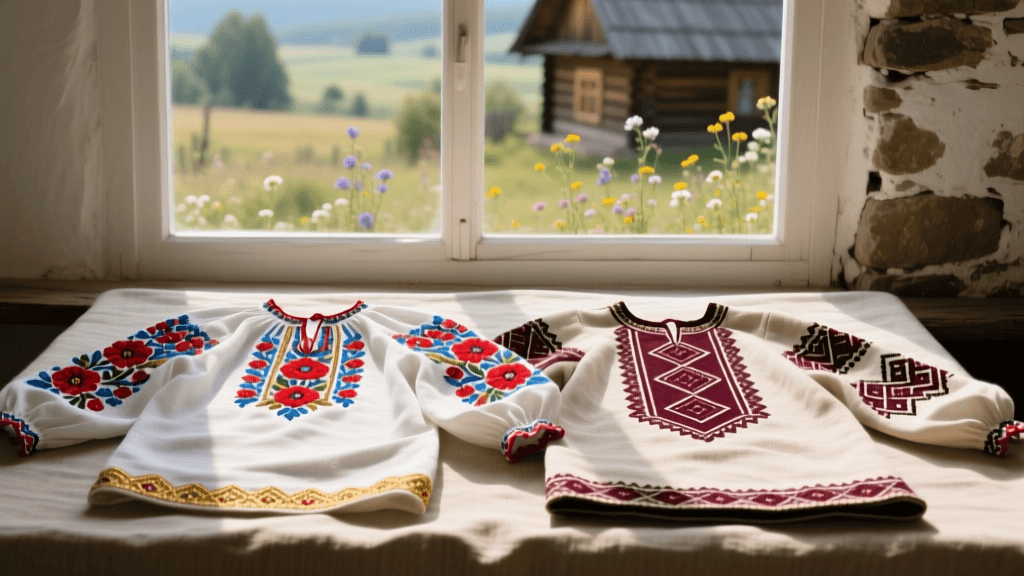
The Vyshyvanka is far more than a decorative shirt; it is a talismanic garment deeply rooted in Slavic cosmology. In 2026, contemporary ethnographers and textile historians emphasize the importance of regional accuracy over generic 'folk' patterns. The embroidery on a traditional Vyshyvanka is strategically placed on the 'vulnerable' points of the body—the neckline, cuffs, and hem—to protect the wearer from negative energy.
Regional Variations and Motifs
- Polissya (Northern Ukraine/Belarus): Characterized by strict geometric patterns, ancient solar symbols, and a predominantly red-and-black color palette. The zavolikannya (running stitch) technique creates dense, woven-like bands of ornamentation.
- Podillia (Southwestern Ukraine): Known for complex floral and botanical motifs, often incorporating the 'tree of life' and intricate cutwork known as merezhka. The palette expands to include vibrant blues, greens, and yellows.
- Bukovyna (Bordering Romania): Features heavy use of metallic threads, glass beads, and cross-stitch, reflecting a historical blend of Slavic and Balkan influences.
The Balkan and Romanian Ie: A Masterclass in Structure
The Ie (pronounced 'ee-eh') is the traditional blouse worn by women across Romania, Moldova, and parts of the broader Balkan peninsula. Unlike the Vyshyvanka, which often features continuous bands of embroidery, the Ie is defined by its highly structured, compartmentalized layout. According to the UNESCO Intangible Cultural Heritage registry, which officially inscribed the Altita blouse to highlight its cultural identity, the architecture of the Ie is strictly codified.
The Anatomy of the Altita
The most defining feature of the Balkan Ie is the Altita—a dense, rectangular block of embroidery located on the upper shoulder. Below the Altita lies the Incret (a narrower band that acts as a visual bridge), followed by the Rauri (vertical rivers of embroidery that flow down the sleeves to the cuffs). This tripartite sleeve structure is non-negotiable in authentic Carpathian and Danubian traditions. In 2026, master artisans in regions like Maramures and Olt continue to use blackwork and intricate silk shading to create a subtle, textured relief that catches the light dynamically.
Comparative Analysis: Vyshyvanka vs. Ie
For collectors, historians, and enthusiasts of European folk dress, distinguishing between these two garments is essential. The table below outlines the primary technical and aesthetic differences observed in authentic 2026 productions.
| Feature | Slavic Vyshyvanka | Balkan/Romanian Ie |
|---|---|---|
| Primary Motif Focus | Geometric, solar, zoomorphic, and floral bands. | Compartmentalized: Altita (shoulder), Incret, Rauri (sleeves). |
| Sleeve Construction | Often set-in or raglan; embroidery concentrated at cuffs. | Gathered at the neck and cuff; heavy shoulder (Altita) embroidery. |
| Color Palette | High contrast (Red/Black, White/Blue, Polychrome). | Often monochromatic or duotone (White on cream, Black on white, deep plum). |
| Signature Technique | Cross-stitch, Merezhka (drawn-thread cutwork). | Stem stitch, satin stitch, intricate beadwork, metallic couching. |
| Average 2026 Artisan Cost | $220 - $550 USD (Hand-loomed linen, hand-stitched). | $300 - $750 USD (Due to the extreme density of the Altita shoulder block). |
Sourcing Authentic Garments in 2026
The market for Eastern European folk dress has seen an influx of mass-produced, machine-embroidered imitations. To support genuine cultural preservation and acquire museum-quality garments in 2026, buyers must look toward verified artisan cooperatives and heritage guilds. When sourcing a genuine Vyshyvanka or Ie, consider the following actionable steps:
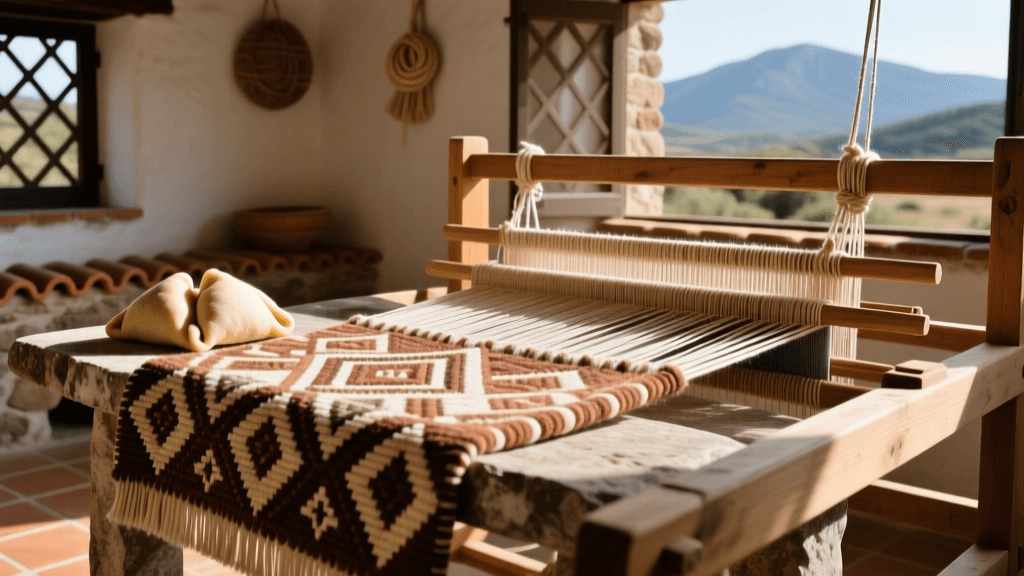
- Verify the Base Fabric: Authentic garments are woven on traditional wooden looms using hemp or linen. Hold the fabric to the light; hand-loomed linen will have slight, natural irregularities in the weave (slubs), whereas factory-made cotton is uniformly flat.
- Examine the Reverse Side: Hand-embroidered traditional pieces, particularly those using the zavolikannya or double-running stitches, will look nearly identical on the reverse side. Machine embroidery will show messy bobbin threads and synthetic stabilizers.
- Seek Regional Cooperatives: Purchase directly from recognized entities such as the Artizana cooperative in Romania or the Folk Motif guild in Ukraine, which guarantee fair wages for rural artisans and certify the geographic origin of the patterns.
Natural Dyeing and Thread Sourcing
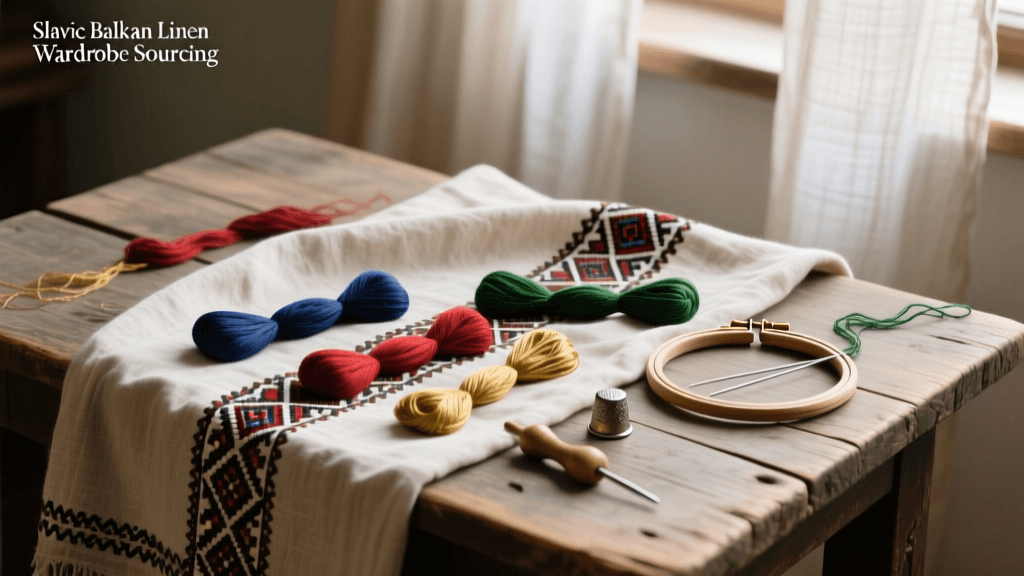
A major trend in the 2026 European folk dress revival is the return to botanically dyed threads. Artisans are moving away from synthetic aniline dyes, reviving medieval and early-modern dye vats. Madder root (Rubia tinctorum) is used for deep, rust-red hues; woad (Isatis tinctoria) provides soft, organic blues; and onion skins or weld yield vibrant, colorfast yellows. When commissioning a custom piece, requesting naturally dyed silk or wool threads not only ensures historical accuracy but also significantly increases the garment's archival longevity.
Preservation and Care for Heritage Linens
Proper care is critical for maintaining the structural integrity of hand-loomed linens and delicate silk embroidery. According to conservation guidelines outlined by the Victoria and Albert Museum's textile department, historic and artisanal folk garments require specific environmental controls to prevent fiber degradation and dye bleeding.
Expert Conservation Tip: Never store embroidered folk blouses on wire hangers or in plastic garment bags. The weight of the heavy Altita shoulder embroidery can distort the linen warp threads over time. Always store these garments flat, padded with acid-free tissue paper to prevent hard creases that can snap brittle linen fibers.
Washing and Maintenance Protocol
- Hand Wash Only: Use a pH-neutral textile detergent in lukewarm water (never exceeding 30°C / 86°F). Agitation causes hand-loomed fibers to felt or pucker.
- Rinsing: Rinse thoroughly in water of the exact same temperature to prevent thermal shock, which can cause natural dyes to run.
- Drying: Roll the garment in a clean, white cotton towel to gently press out excess moisture. Lay flat on a drying rack away from direct sunlight to prevent UV fading of the botanical dyes.
- Ironing: Iron the garment while it is still slightly damp, always on the reverse side over a padded towel. This prevents crushing the three-dimensional relief of the embroidery stitches.
The Future of Eastern European Folk Dress
As we navigate 2026, the intersection of traditional Eastern European folk dress and contemporary fashion continues to evolve. Organizations like the International Council of Museums (ICOM) Costume Committee are actively working with regional governments to digitize pattern archives, ensuring that the precise mathematical geometry of Slavic cutwork and the delicate shading of Balkan blackwork are preserved for future generations. Whether you are a collector, a textile artist, or a cultural historian, understanding the profound differences between the Vyshyvanka and the Ie is the first step in honoring the rich, woven heritage of Eastern Europe.