Slavic & Balkan Folk Dress Revival: Authentic Sourcing 2026
The 2026 Revival of Eastern European Folk Dress
In 2026, the global slow fashion movement has deeply intertwined with ancestral heritage crafting, sparking a massive revival of traditional Slavic and Balkan folk dress. Enthusiasts, historical reenactors, and cultural preservationists are moving away from mass-produced, synthetic costumes and returning to historically accurate, handcrafted garments. Whether you are looking to construct a Ukrainian Vyshyvanka, a Romanian Ie, or a traditional Slavic Sarafan, building an authentic wardrobe requires a deep understanding of regional textiles, natural fibers, and heritage construction techniques.
According to the UNESCO Intangible Cultural Heritage guidelines, the transmission of traditional craftsmanship is vital for maintaining cultural identity. This guide provides actionable, up-to-date sourcing advice, material specifications, and construction tips for creating your own Eastern European folk wardrobe this year.
Sourcing Authentic Base Fabrics: Linen, Hemp, and Wool
The foundation of any Slavic or Balkan folk costume is the base fabric. Historically, peasants and artisans relied on locally grown flax (linen), hemp, and sheep wool. In 2026, the gold standard for authentic shirt-making is unbleached, wet-spun European flax linen. Wet-spun linen yields a smoother, stronger, and more lustrous yarn compared to dry-spun alternatives, making it ideal for intricate embroidery.
Understanding Fabric Weight and Weave
When sourcing linen for traditional garments, pay close attention to the GSM (grams per square meter) and the weave structure. For base shirts (the rubakha or kosulja), you need a medium-weight fabric that can support heavy cross-stitch or cutwork without puckering.
- Lightweight Linen (120-150 GSM): Best for summer headpieces, lightweight veils (namitka), and undergarments. Look for plain weaves with a high thread count.
- Medium-Weight Linen (180-220 GSM): The ideal weight for the main body of the Vyshyvanka and Ie. An evenweave structure (where warp and weft threads are identical in size and spacing) is critical for counted-thread embroidery.
- Heavyweight Linen & Hemp Blends (280+ GSM): Reserved for outer garments, aprons, and men's trousers. Hemp blends offer exceptional durability and a beautiful, rustic slub texture that mimics historical hand-woven cloth.
For wool skirts, such as the Ukrainian plakhta or the Bulgarian sukman, source 100% virgin wool melton or heavily fulled wool broadcloth. In 2026, heritage mills in the Carpathian region are producing small-batch, naturally dyed wools that perfectly replicate 19th-century textiles.
Embroidery Threads: Natural Dyes and Modern Equivalents
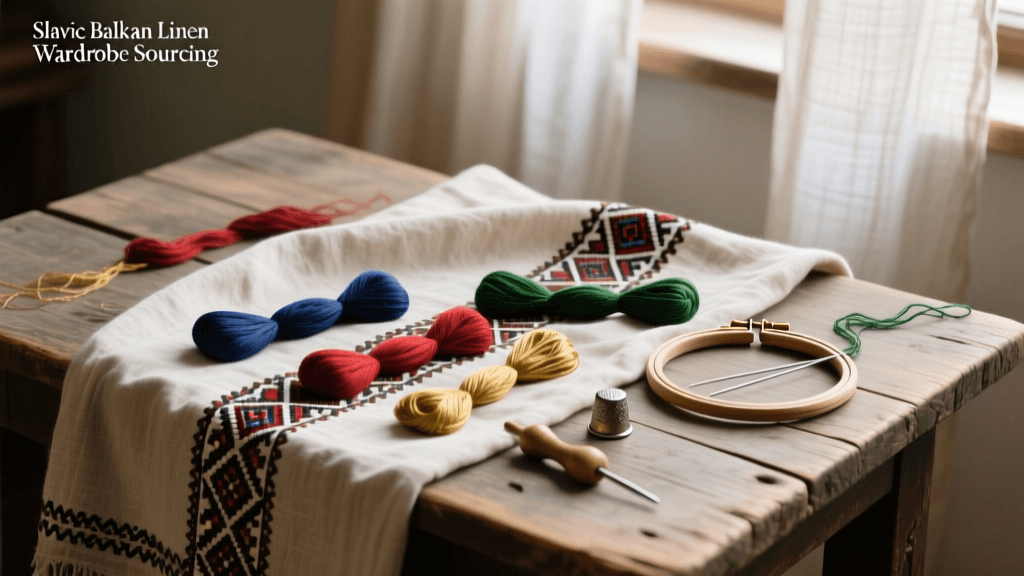
Embroidery is the soul of Eastern European folk dress. The Encyclopedia Britannica's guide to Folk Art notes that regional motifs and color palettes were historically dictated by local flora and mineral resources. Today, crafters have two primary routes: historically accurate natural dyes or high-quality modern mercerized cottons.
The Natural Dye Renaissance
If you are committed to absolute historical accuracy, 2026 has seen a surge in suppliers offering naturally dyed wool and silk floss. The traditional color palette relies on three core plants:
- Madder Root (Rubia tinctorum): Produces deep, rich reds and terracottas. Red is the most dominant color in Slavic embroidery, symbolizing life, fire, and protection.
- Woad (Isatis tinctoria) & Indigo: Yields deep blues. Historically used in Balkan regions for geometric border patterns.
- Weld (Reseda luteola) & Onion Skins: Creates vibrant yellows and golds, often used for solar symbols and wheat motifs.
When using natural threads, ensure they are mordanted with alum to prevent fading. For modern, colorfast alternatives, DMC and Anchor perl cottons (size 8 and 12) remain the industry standard for counted cross-stitch and satin stitch on 28-count evenweave linen.
Core Garments: Vyshyvanka, Ie, and Sarafan
Constructing a complete folk wardrobe requires understanding the distinct cuts and regional variations of the primary garments. Below is a comparison of the three most iconic pieces you can craft in 2026.
| Garment | Region | Key Construction Features | Estimated Yardage (Medium) |
|---|---|---|---|
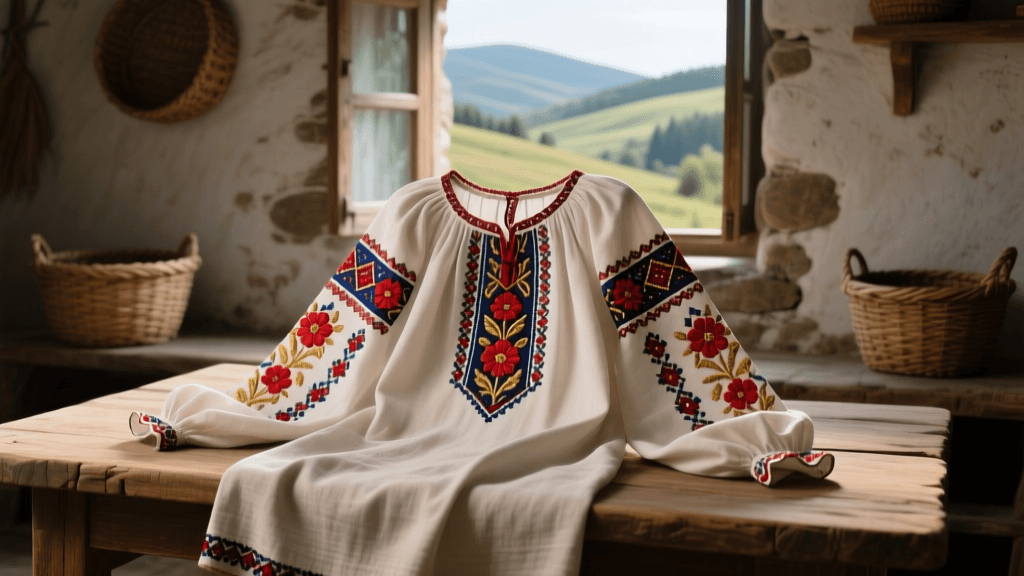
| Vyshyvanka | Ukraine / Belarus | Straight cut, gussets under arms, dense geometric or floral embroidery on cuffs, collar, and chest placket. | 2.5 - 3.5 yards |
| Ie | Romania / Moldova | Gathered neckline (incret), distinct shoulder embroidery (altita), vertical sleeve bands (rauri). | 3.0 - 4.0 yards |
| Sarafan | Russia / Northern Slavic | High-waisted, trapeze or A-line silhouette, often made of wool or heavy linen, featuring central button placket or frog closures. | 4.0 - 5.5 yards |
Cutting and Sewing Techniques
Authentic Eastern European shirts are rarely cut with curved armholes or modern darts. They rely on a rectangular construction method. The body is formed from a single wide rectangle (or two panels joined at the shoulder), with square gussets inserted at the underarm to allow for freedom of movement. This zero-waste pattern cutting is not only historically accurate but also highly sustainable. When sewing, use flat-felled seams to enclose all raw edges, ensuring the garment is as beautiful on the inside as it is on the outside.
Essential Accessories: The Woven Sash and Leather Footwear
No Slavic or Balkan folk costume is complete without a woven sash. Known as a krajka, pojas, or brau, the sash serves both a functional and spiritual purpose, believed to protect the wearer's core and separate the upper (spiritual) body from the lower (earthly) body.
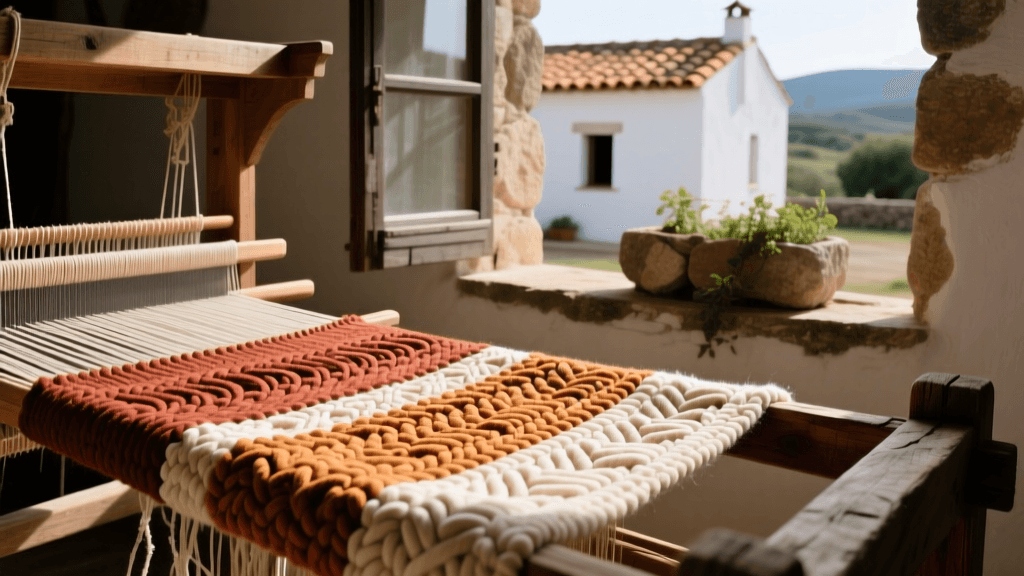
In 2026, tablet weaving and inkle loom weaving are the preferred methods for recreating these intricate bands. An inkle loom is highly portable and perfect for weaving warp-faced bands using 100% wool or linen yarn. A standard sash should be between 8 to 12 feet long and 2 to 4 inches wide, finished with long, twisted fringes at both ends.
For footwear, traditional leather opanci (Balkan) or lapti (bast shoes, Eastern Slavic) are the most authentic choices. The Metropolitan Museum of Art highlights the importance of regional accessories in their European decorative arts archives, noting that footwear and belts often denoted specific village origins. Today, several artisan cobblers in Eastern Europe accept custom commissions for hand-stitched, turned-leather opanci, which tie around the calf with long leather thongs.
2026 Sourcing Directory and Budget Breakdown
Sourcing authentic materials requires looking beyond standard craft stores. Below is a practical budget breakdown for crafting a complete, high-quality Ukrainian or Romanian shirt ensemble in 2026, utilizing premium heritage materials.
| Material Category | Recommended Specification | Estimated Cost (2026) | Where to Source |
|---|---|---|---|
| Base Fabric | 28-count European Flax Evenweave Linen (200 GSM) | $45 - $65 per yard | Specialty European heritage textile mills, Etsy heritage sellers |
| Embroidery Thread | Naturally dyed wool floss or DMC Perl Cotton Size 8 | $4 - $8 per skein | Natural dye studios, local needlework shops |
| Sash Yarn | 100% Worsted weight wool (for inkle loom warp-faced weaving) | $15 - $25 per 100g hank | Independent hand-dyers, regional sheep farms |
| Notions & Tools | Bone folders, beeswax, linen sewing thread, inkle loom | $50 - $120 (one-time) | Woodworking artisans, weaving supply stores |
Pro Tip for 2026: Before cutting your expensive heritage linen, always wash and dry the fabric using the exact method you plan to use for the finished garment. Linen can shrink up to 10% on the first wash. Pre-shrinking ensures your intricate embroidery will not pucker after the first laundering.
Preserving the Heritage
Creating a Slavic or Balkan folk dress wardrobe is a labor of love that connects you directly to centuries of ancestral knowledge. By prioritizing natural fibers, historically accurate rectangular construction, and traditional embroidery motifs, you are not just making clothes; you are actively participating in the preservation of European intangible cultural heritage. Take your time, honor the techniques of the past, and wear your handmade garments with pride.