2026 Traje de Flamenca Guide: Feria Dance Dress Trends
The Enduring Magic of the Traje de Flamenca
As we approach the vibrant spring season of 2026, the Andalusian landscape prepares for its most iconic celebration: the Feria de Abril in Seville. At the heart of this festival is the Traje de Flamenca, a stunning traditional European garment that seamlessly bridges the gap between regional folk dress, high fashion, and passionate folk dance. Unlike many historical European costumes that remain frozen in time, the flamenco dress is a living, breathing entity that evolves annually while maintaining its deeply rooted cultural silhouettes.
Recognized globally as a masterpiece of intangible heritage, the culture surrounding this garment and its accompanying dance was inscribed on the UNESCO Intangible Cultural Heritage list. For festival-goers, folk dancers, and textile enthusiasts in 2026, understanding the anatomy, movement mechanics, and contemporary trends of the Traje de Flamenca is essential for authentic participation and appreciation.
Anatomy of a Festival-Ready Flamenco Dress
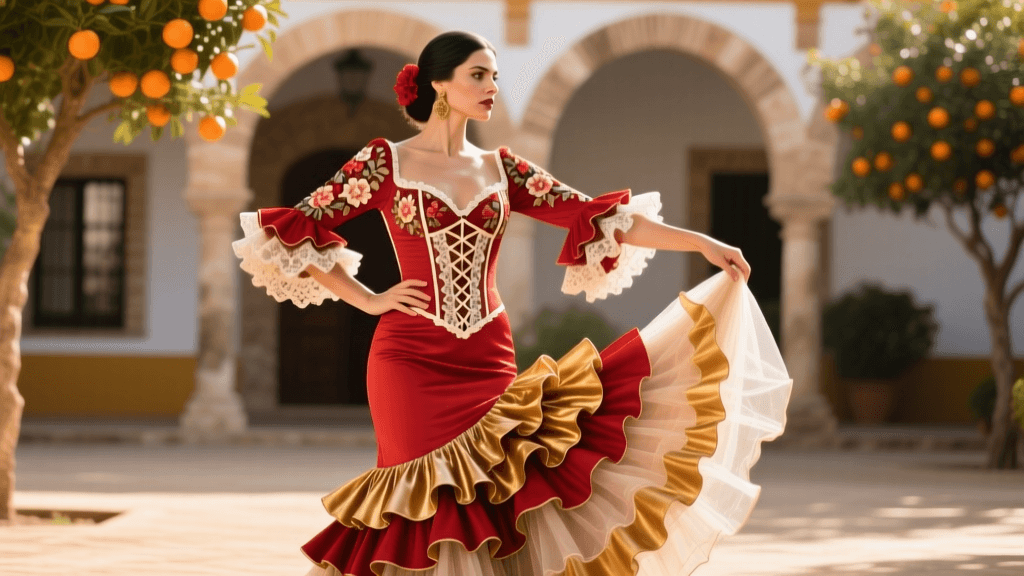
The traditional flamenco dress originated in the late 19th and early 20th centuries as the humble workwear of Romani women and peasant traders who attended the livestock fairs. Wealthier women eventually adopted and elevated the silhouette, transforming it into the elaborate festival attire we recognize today. A properly constructed 2026 Traje de Flamenca consists of several vital components tailored specifically to enhance the wearer's posture and movement.
El Talle (The Bodice and Waist)
The bodice is meticulously tailored to fit like a second skin, providing structural support and forcing the wearer into the proud, upright posture required for flamenco dance. In 2026, bespoke tailors in Seville are utilizing flexible, breathable stretch-cotton blends for the inner lining, ensuring comfort during long, hot days in the casetas (festival tents). The neckline varies from modest rounded collars to deep plunging V-necks, often framed by intricate lace or contrasting piping.
Los Volantes (The Ruffles)
The most defining feature of the dress is the cascading tiers of ruffles, or volantes. These are not merely decorative; they are kinetic instruments. When a dancer executes a turn (vuelta) or a rhythmic stomp (zapateado), the ruffles catch the air, expanding outward to amplify the visual impact of the movement. In 2026, asymmetrical ruffle placements and cascading side-drapes are trending heavily, offering a modern twist on the traditional concentric tiers.
La Cola (The Train)
For those specifically engaging in folk dance performances at the festival, the bata de cola (a dress with a long, ruffled train) is mandatory. Manipulating the train requires immense technical skill, as the dancer must kick, sweep, and gather the heavy fabric using precise ankle and calf movements. For general festival walking, however, a shorter skirt ending at the ankle or mid-calf is preferred to navigate the crowded, sandy streets of the Feria grounds.
Dance Mechanics: Designing for Movement in 2026
When selecting or commissioning a dress for flamenco dancing, one must consult with artisans who understand the biomechanics of the dance. The Museo del Baile Flamenco in Seville frequently highlights how the garment acts as an extension of the dancer's body. The skirt must be cut on the bias or feature strategic gussets to allow for deep lunges and rapid footwork without restricting the hips.
Furthermore, the weight distribution of the ruffles is critical. If the canesú (the yoke or base layer of the skirt) is too heavy, it will drag the dancer's hips down, ruining the posture. 2026 textile innovations have introduced ultra-lightweight micro-tulle underlays that provide massive volume to the ruffles without adding the punishing weight of traditional cotton-poplin layering.
2026 Fabric Innovations and Color Trends
The annual Pasarela Flamenca (Flamenco Fashion Week) dictates the trends for the upcoming Feria. For 2026, there is a massive pivot toward sustainable, eco-conscious textiles. Artisans are sourcing organic Andalusian cottons and recycled polyester blends that mimic the sheen of traditional silk satin but offer superior stain resistance—a practical necessity for festival environments where food and drink are abundant.
While the classic polka dot (lunares) remains a timeless staple, 2026 sees a surge in digital botanical prints, watercolor washes, and rich jewel tones like emerald green, deep burgundy, and midnight blue.
| Fabric Type | Weight & Drape | Dance Suitability | Festival Durability |
|---|---|---|---|
| Cotton Poplin | Medium, crisp | Excellent (traditional) | High (wrinkles easily) |
| Silk/Satin Blend | Heavy, fluid | Good (slippery for turns) | Low (stains easily) |
| Micro-Tulle | Ultra-light, voluminous | Superior (stage volume) | Medium (snag risk) |
| Stretch Crepe | Medium, matte | Excellent (bias movement) | Very High (wrinkle-free) |
Essential Accessories for the Complete Feria Look
A Traje de Flamenca is never worn in isolation. The accessories are steeped in regional folklore and are vital for completing the silhouette.
- El Mantón de Manila: A large, intricately embroidered silk shawl featuring long fringe. Originally imported from China via Manila, it is now a staple of Andalusian folk dress. For 2026, lighter silk-rayon blends are popular for daytime dancing, allowing the fringe to whip through the air during shoulder-shimmying sequences without causing fatigue.
- La Flor and Peineta: A large fabric flower (often matching the dress) worn in the hair, secured by a decorative comb (peineta). Placement matters: wearing it on the left side traditionally signals the wearer is married or taken, while the right side indicates availability.
- Zapatos de Flamenco: Dance shoes are engineered with reinforced toes and heels embedded with nails to act as percussion instruments during zapateado. In 2026, ergonomic insoles and shock-absorbing heel blocks are standard, protecting dancers' joints during marathon festival sessions. Expect to pay between €150 and €280 for professional-grade festival footwear.
- Pendientes (Earrings): Oversized, heavy statement earrings that sway rhythmically with the dancer's head movements. Coral, gold filigree, and pearl drops remain the most authentic choices.
Sourcing, Tailoring, and 2026 Pricing
According to the official Spanish tourism board, the Feria de Abril draws hundreds of thousands of visitors, creating a massive seasonal economy around the Traje de Flamenca. If you are planning to attend or perform in 2026, you have three primary avenues for acquiring your garment:
Bespoke Tailoring (Alta Costura Flamenca)
For those seeking a flawless fit and unique design, commissioning a dress from a Seville-based flamenca house (such as Lina or Carmen Latorre) is the gold standard. Measurements are taken in January, with fittings in February and March. 2026 Cost Breakdown:
- Design and Tailoring Fee: €800 - €2,500+
- Premium Fabrics & Trims: €150 - €400
- Custom Mantón: €300 - €1,500
Ready-to-Wear (Prêt-à-Porter)
Many high-street brands and local boutiques release annual collections in early spring. These offer contemporary 2026 trends at accessible prices, though the bodice may require minor alterations for a true dance-ready fit. 2026 Cost Breakdown:
- Ready-to-Wear Dress: €250 - €600
- Alterations: €40 - €90
Vintage and Second-Hand Markets
Sustainability is a major theme in 2026 European folk dress revival. Purchasing a vintage dress from the 1980s or 1990s not only reduces textile waste but often yields higher-quality, heavier fabrics that drape beautifully for dance. Local Seville vintage markets and online European textile exchanges are excellent resources, with premium vintage pieces ranging from €100 to €350.
Garment Care and Storage
The intricate ruffles and delicate laces of a Traje de Flamenca require meticulous care. After the festival, the dress must be professionally dry-cleaned to remove the fine dust of the Feria grounds and any perspiration. When storing the garment, never hang it by the shoulders for long periods, as the heavy skirt will distort the bodice. Instead, fold the dress carefully with acid-free tissue paper stuffed into the ruffles to maintain their shape, and store it flat in a breathable cotton garment bag. Proper care ensures that your 2026 investment remains a vibrant piece of living European history for decades to come.