Sardinian Pibiones Weave: Top Heritage Brands & Costumes 2026
The Living History of the Abito Sardo
When discussing European folk dress, the conversation often gravitates toward the well-documented Renaissance silhouettes of Tuscany or the alpine dirndls of the Tyrol. However, the true heart of Italy's most ancient and uninterrupted textile heritage lies on the island of Sardinia. The traditional Sardinian dress, known locally as the abito sardo, is not merely a historical costume relegated to museum glass; it is a living, breathing garment system that continues to evolve. As we move through 2026, a powerful renaissance in regional craftsmanship has placed Sardinian heritage brands at the forefront of the sustainable and slow fashion movements. Driven by a renewed interest in hyper-local provenance and the impending European Union Geographical Indication (GI) protections for regional textiles, Sardinia's master weavers are experiencing unprecedented global demand.
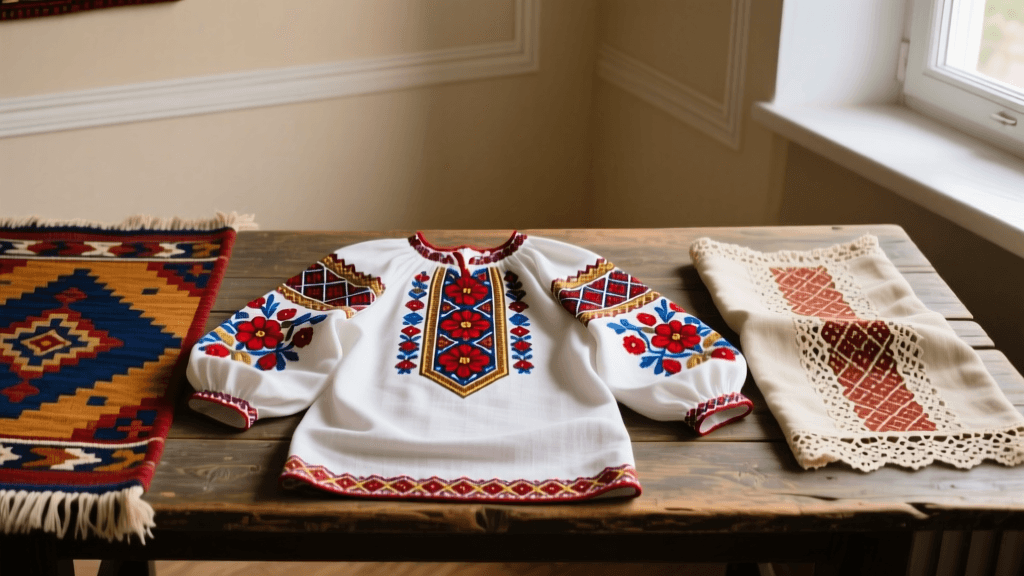
Unlike the homogenized national costumes of other European nations, the Sardinian traditional dress varies drastically from village to village. A garment from the mountainous region of Barbagia differs vastly in color palette, embroidery density, and textile weight from the coastal attire of the Campidano plains. Yet, the unifying thread across these micro-regions is the reliance on masterful, hand-loomed textiles. In 2026, local festivals such as the Sagra di Sant'Efisio in Cagliari and the Cavalcata Sarda in Sassari have seen record participation, with younger generations proudly investing in authentic, hand-woven garments rather than mass-produced synthetic alternatives.
Anatomy of the Sardinian Traditional Dress
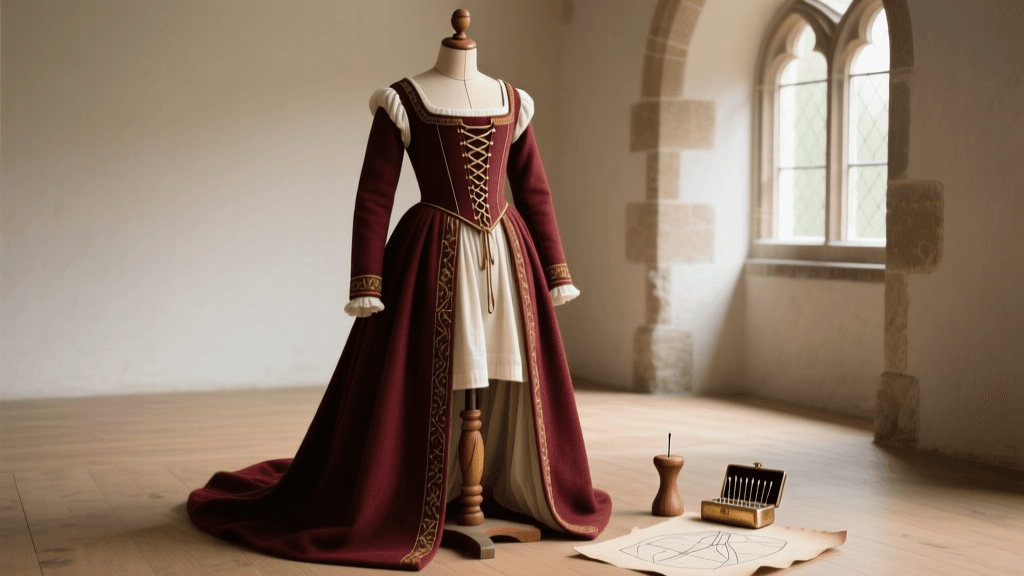
To understand the value of Sardinian heritage textiles, one must understand how they are constructed into the traditional silhouette. The women's attire is a complex layering of hand-woven linen, wool, and silk. The foundation often begins with the camicia (chemise), crafted from finely beaten linen that takes hundreds of hours to weave. Over this sits the corittu, a heavily structured corset made of rigid, hand-loomed wool or velvet, designed to support the intricate silver and gold filigree jewelry that Sardinia is famous for.
The most visually striking element, however, is the saunnedda (the pleated skirt) and the mancalu (the ceremonial shawl). The skirt requires up to eight meters of heavy, hand-loomed wool, tightly pleated and bound with silk ribbons. The mancalu is where the island's most elite weaving techniques are displayed, often featuring complex geometric motifs that serve as a visual language, denoting the wearer's marital status, village of origin, and social standing. For men, the traditional dress centers around sa berrita (a long, tubular woolen cap) and sa ragas (a pleated linen kilt worn over heavy woolen trousers), all of which rely on the island's robust sheep farming and wool-spinning cooperatives.
The Pibiones Technique: Weaving Grains of History
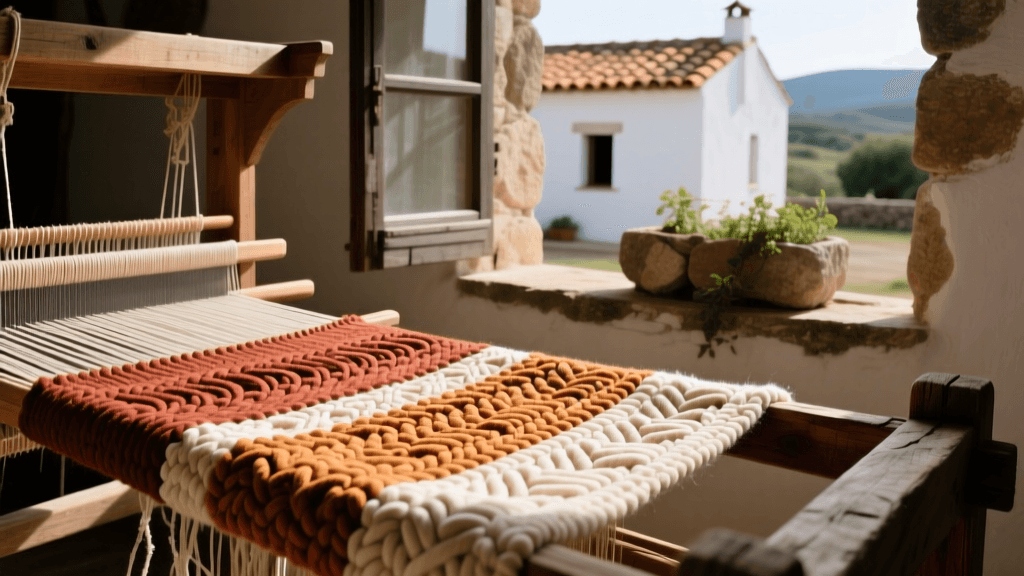
The crown jewel of Sardinian textile heritage is the Pibiones (or pribiones) weave. Translating roughly to 'grapes' or 'grains' in the Sardinian dialect, this technique creates a raised, textured pattern on the surface of the fabric. It is an incredibly labor-intensive process that cannot be authentically replicated by modern power looms.
The weaver uses a traditional wooden floor loom, passing a smooth, polished wooden or metal rod over the warp threads before passing the weft. When the rod is removed, the yarn loops back on itself, creating a raised 'grain' on the face of the fabric. In 2026, the resurgence of the Pibiones technique is heavily tied to the island's push for intangible cultural heritage recognition. According to the cultural archives maintained by Sardegna Cultura, the transmission of this skill from master weavers to apprentices has accelerated, with regional grants funding new loom workshops in historic weaving villages like Samugheo, Nule, and Aggius.
The 2026 Revival of Natural Botanical Dyes
A major hallmark of the 2026 heritage textile market is the strict return to natural, botanical dyes. Modern consumers and heritage purists alike are rejecting synthetic aniline dyes in favor of the subtle, living colors produced by the Sardinian landscape. Master dyers are utilizing wild asphodel for vibrant yellows, pomegranate rinds and walnut husks for deep, rich browns and blacks, and locally foraged saffron for luxurious golden hues. These natural dyes not only provide a historically accurate color palette that shifts beautifully in the Mediterranean sunlight, but they also align perfectly with contemporary demands for eco-friendly, non-toxic garment production.
Leading Heritage Brands and Cooperatives in 2026
If you are looking to source authentic Sardinian textiles or invest in heritage garments, it is vital to support the cooperatives and artisanal brands that maintain the traditional hand-loom process. The following table outlines the premier heritage brands and weaving cooperatives operating in 2026, certified for their adherence to traditional methods by Sardegna Artigianato (ISOLA).
| Brand / Cooperative | Village / Region | Specialty Textile | 2026 Price Range (Shawls) |
|---|---|---|---|
| Mariantonia Urru | Samugheo | High-end Pibiones tapestries and metallic-thread shawls | €650 - €1,200 |
| Cooperativa Tessitori di Samugheo | Samugheo | Traditional wool blankets and heavy ceremonial skirts | €350 - €600 |
| Artigianato Sard (ISOLA) | Cagliari (Regional) | Curated contemporary homewares and linen apparel | €150 - €400 |
| Telaio Sardo | Nule | Thick, geometric wool rugs and heavy outerwear textiles | €400 - €900 |
Spotlight on Mariantonia Urru
Located in the historic weaving hub of Samugheo, the Mariantonia Urru atelier represents the pinnacle of Sardinian textile artistry. In 2026, their workshop continues to blend ancient Pibiones motifs with contemporary luxury fashion silhouettes. Their signature mancalu shawls often incorporate in fila (metallic gold or silver threads) woven directly into the linen, creating a breathtaking interplay of texture and light. While their price points reflect the hundreds of hours of manual labor required, they remain the gold standard for collectors and heritage fashion enthusiasts.
2026 Buyer’s Guide: Sourcing Authentic Textiles
As the popularity of European folk dress grows, so does the market for counterfeit, machine-made imitations imported from overseas. When shopping for Sardinian textiles in 2026, whether in the boutiques of Cagliari or directly from village artisans, keep these actionable tips in mind:
- Examine the Reverse Side: Authentic hand-loomed Pibiones will show a distinct, slightly irregular texture on the back where the loops are formed. Machine-made fakes often have a flat back with the pattern merely stitched on top.
- Check the Selvedge: Hand-woven fabrics will have a natural, slightly uneven selvedge edge. Perfectly straight, laser-cut edges are a hallmark of industrial power looms.
- Request the ISOLA Tag: Genuine heritage pieces are often accompanied by a certification tag from the regional artisanal board, verifying the artisan's name, the village of origin, and the materials used.
- Understand the Dimensions: A traditional ceremonial shawl is typically woven to a specific historical dimension, usually around 200cm by 70cm. Mass-produced tourist scarves are often significantly smaller and lack the proper weight and drape of heritage wool or linen.
Caring for Heritage Wool and Linen
Investing in a hand-loomed Sardinian garment requires a commitment to proper textile care. The natural, unwashed Sardinian sheep's wool used in heavier skirts and blankets retains a high amount of natural lanolin, making it inherently water-resistant and odor-repellent. In 2026, conservation experts strongly advise against dry cleaning these heritage wools, as harsh chemicals strip the lanolin and degrade the natural botanical dyes.
Instead, air out your woolen garments in a shaded, breezy environment. For spot cleaning, use cold water and a pH-neutral, olive-oil-based soap. Linen camicia and Pibiones table runners can be gently hand-washed in lukewarm water, but they should never be wrung out; instead, roll them in a dry towel to press out excess moisture and lay them flat to dry, reshaping the raised 'grains' of the Pibiones weave with your fingers while the fabric is still damp.
The Future of Sardinian Folk Dress
The year 2026 marks a pivotal moment for Italian regional traditional garments. The Sardinian abito sardo and its foundational textiles are no longer viewed as relics of a bygone agrarian society. Through the dedication of heritage brands, the mastery of the Pibiones weave, and a global appreciation for sustainable, slow-crafted fashion, Sardinia's textile traditions are weaving their way into the future. Whether you are attending a local Mediterranean festival or simply integrating a hand-loomed linen scarf into your modern wardrobe, wearing Sardinian heritage is an act of cultural preservation that honors centuries of artisanal excellence.