Authentic Slavic Folk Dress Guide 2026: Vyshyvanka & Balkan Motifs
The Renaissance of Slavic and Balkan Folk Dress in 2026
In 2026, the global fashion landscape has witnessed a profound shift toward slow fashion, cultural preservation, and artisanal heritage. Nowhere is this more evident than in the resurgence of Eastern European and Balkan folk dress. Once relegated to museum archives and rural festivals, traditional garments like the Ukrainian Vyshyvanka, Serbian woven textiles, and Croatian regional costumes are now highly sought after by collectors, historians, and contemporary fashion enthusiasts. The modern revival is not merely about aesthetics; it is a deliberate movement to sustain ancestral techniques, support rural artisan cooperatives, and wear history with pride.
According to recent data from the UNESCO Intangible Cultural Heritage initiatives, the safeguarding of traditional embroidery and weaving practices in Eastern Europe has seen unprecedented funding and global interest in 2026. For collectors and cultural enthusiasts, understanding the distinct regional variations, symbolic motifs, and proper sourcing methods is essential. This comprehensive guide explores the intricate world of Slavic and Balkan folk dress, offering actionable insights for identifying, purchasing, and preserving these textile masterpieces today.
Decoding the Ukrainian Vyshyvanka: Regional Masterpieces
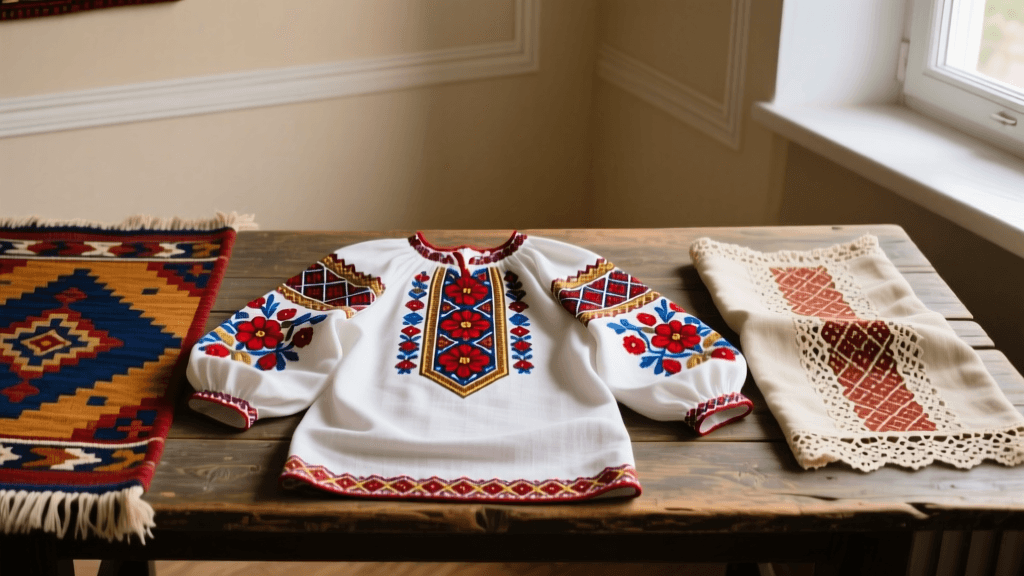
The Vyshyvanka, the traditional embroidered shirt of Ukraine, is perhaps the most globally recognized piece of Slavic folk dress. However, treating the Vyshyvanka as a single, uniform garment is a common misconception. In 2026, true collectors prioritize regional specificity, as the techniques, color palettes, and motifs vary drastically from the Carpathian Mountains to the central steppes.
Poltava and Central Ukraine: The Elegance of White-on-White
The Poltava region is renowned for its sophisticated 'white-on-white' embroidery, known locally as bila po bilomu. This technique relies on texture and light rather than color contrast. Artisans utilize complex cutwork (lyshva), hemstitching, and satin stitches to create intricate geometric and floral patterns. In 2026, authentic Poltava shirts are woven from organic, locally grown hemp and linen, making them highly breathable and sustainable. The subtle elegance of this style has made it a favorite for contemporary formalwear and minimalist heritage fashion.
Hutsulshchyna and the Carpathians: Vibrant Geometry
In the mountainous Hutsul region, the embroidery is bold, vibrant, and densely packed. The traditional technique involves counted cross-stitch and nyzinka (a form of darning stitch that creates a reversible pattern). The color palette is dominated by deep reds, blacks, and vibrant yellows, often accented with glass beads and metallic threads. The motifs are heavily geometric, featuring diamonds, crosses, and solar symbols designed to protect the wearer from the harsh mountain elements and spiritual harm.
Bukovyna and Pokuttia: Heavy Wool and Beadwork
Further south, the Bukovyna and Pokuttia regions feature heavier textiles suited for cooler climates. The embroidery here often incorporates smocking, thick wool threads, and elaborate brass or copper wire wrapping. The garments are frequently paired with heavy, woven wool skirts (horbatka) and elaborate floral headpieces (vinok) adorned with peacock feathers and river pearls.
Balkan Heritage: Croatian Šestine and Serbian Textile Arts
Moving into the Balkans, the textile traditions shift from embroidered linen to complex weaving, pleating, and structural tailoring. The Balkan folk dress is characterized by its layered silhouettes, heavy silver jewelry, and striking color blocking.
The Croatian Šestine Costume and Umbrella
Originating from the Šestine district of Zagreb, this folk costume is an iconic symbol of Croatian heritage. The women's attire features a heavily pleated white linen blouse with vivid red embroidery concentrated on the sleeves and bodice. The skirt is multi-layered, often accompanied by a brightly woven sash and a red silk scarf. The most famous accessory, however, is the traditional Šestine umbrella (šestinski kišobran), featuring a red canopy with white and blue geometric fringe. In 2026, authentic Šestine umbrellas are produced by a small, protected guild of artisans in Zagreb, utilizing hand-turned beechwood handles and naturally dyed cotton canopies.
Serbian Pirot Kilims and Opanci Footwear
Serbian folk dress is heavily defined by its outerwear and woven accessories. The Pirot kilim, a flat-woven tapestry originating from the Stara Planina mountain region, is a masterpiece of Balkan textile art. Woven on vertical looms using wool from indigenous sheep breeds, these kilims feature striking geometric motifs such as the 'devil's eye' (for protection), hooks, and stylized flora. While traditionally used as rugs or wall hangings, in 2026, smaller Pirot kilims are frequently repurposed by heritage designers into structured vests and wrap skirts. Complementing the textiles are the Opanci, traditional leather footwear characterized by their curled toes and intricate woven leather uppers, still handcrafted by cobblers in rural Serbia.
The Symbolism of Slavic and Balkan Motifs
To truly appreciate these garments, one must understand the language woven into them. As detailed in Britannica's comprehensive guide to embroidery and folk art history, traditional motifs were rarely purely decorative; they served as talismans, historical records, and markers of social status.
- The Rhombus (Sown Field): Representing fertility, agriculture, and the earth. Often divided into four smaller squares with dots, symbolizing seeds.
- The Star (Rozhanytsia): An eight-pointed star representing celestial protection, the universe, and the harmony of opposing forces.
- The Tree of Life: A central motif in Balkan and Slavic weaving, symbolizing the connection between the underworld, the earthly realm, and the heavens, as well as ancestral lineage.
- The Sun/Rosette: A circular, floral geometric shape representing life energy, warmth, and the cyclical nature of time.
2026 Buyer’s Guide: Sourcing Authentic Eastern European Garments
The market for Eastern European folk dress in 2026 is robust but requires a discerning eye. The influx of mass-produced, machine-embroidered imitations has made authentication crucial. When sourcing garments, collectors should look for the newly established European Folk Arts Coalition (EFAC) certification, which verifies hand-stitched origins and fair-wage artisan compensation.
Identifying Handmade vs. Machine-Made Embroidery
Always examine the reverse side of the fabric. Hand-embroidered Vyshyvankas will show neat but slightly irregular thread paths, with the underside of the stitch often mirroring the top. Machine embroidery will reveal a uniform, tight bobbin thread on the back, often with a synthetic sheen. Furthermore, authentic 2026 heritage pieces utilize natural dyes (like madder root for red and woad for blue), which possess a rich, slightly variegated depth that synthetic chemical dyes cannot replicate.
Regional Style Comparison & 2026 Pricing
The following table outlines the current market expectations for authentic, artisan-crafted pieces in 2026. Prices reflect the premium placed on natural materials and the scarcity of master artisans.
| Region | Garment / Textile | Primary Technique | Key Motifs | 2026 Avg. Price (USD) |
|---|---|---|---|---|
| Poltava, Ukraine | Vyshyvanka (Shirt) | White-on-white cutwork | Geometric stars, vines | $450 - $850 |
| Hutsulshchyna, Ukraine | Kytayka / Shirt | Cross-stitch, beadwork | Diamonds, solar symbols | $350 - $700 |
| Pirot, Serbia | Kilim (Wrap/Vest) | Slit tapestry weave | 'Devil's eyes', hooks | $600 - $1,400 |
| Zagreb, Croatia | Šestine Blouse | Pleating, red embroidery | Floral, concentric circles | $250 - $550 |
Preservation and Care for Heritage Textiles
Acquiring a piece of Slavic or Balkan folk history comes with the responsibility of proper preservation. The Metropolitan Museum of Art's textile collection guidelines offer excellent foundational advice for caring for organic heritage fibers at home.
- Cleaning: Never machine wash hand-embroidered linen or wool. Spot clean with cold water and a pH-neutral, conservation-grade detergent. For deep cleaning, consult a professional textile conservator who specializes in natural dyes.
- Storage: Store garments flat in a cool, dark environment. Wrap them in unbleached, acid-free muslin or cotton sheets. Avoid plastic bins, which trap moisture and encourage mildew, and never use cedar chests directly against the fabric, as the acidic oils can degrade natural fibers over time.
- Display: If framing a vintage textile or displaying a kilim, ensure it is kept out of direct sunlight. UV radiation will rapidly fade natural madder and indigo dyes. Use museum-grade UV-filtering glass for framed pieces and rotate displayed textiles every six months to prevent stress on the fibers.
Conclusion
The year 2026 marks a golden era for the appreciation and preservation of Slavic and Balkan folk dress. Whether you are drawn to the ethereal white-on-white cutwork of Poltava, the protective geometric beadwork of the Carpathians, or the bold, woven narratives of Serbian kilims, these garments offer a profound connection to European history. By prioritizing authentic sourcing, understanding regional nuances, and practicing meticulous care, collectors and enthusiasts can ensure that these vital textile traditions continue to thrive for generations to come.