Miesbacher Tracht Dirndl Guide 2026: Authentic Sourcing
The Renaissance of Authentic Alpine Tracht in 2026
The year 2026 marks a significant milestone in the revival and preservation of authentic European folk dress, particularly within the Alpine regions of Bavaria and Austria. As global interest in sustainable, historically accurate, and artisan-crafted textiles grows, the distinction between genuine Tracht (traditional regional dress) and Trachtenmode (commercial fashion) has never been more critical. For textile historians, cultural enthusiasts, and serious collectors, the Miesbacher Tracht stands out as one of the most refined and strictly codified dirndl styles in Germany.
Originating from the Miesbach district in Upper Bavaria, this specific folk costume is characterized by its elegant restraint, high-quality natural fibers, and meticulous tailoring. Unlike the mass-produced, neon-colored festival costumes sold to tourists, the authentic Miesbacher dirndl is a masterclass in regional textile heritage. According to the Bayerischer Trachtenverband (Bavarian Tracht Association), preserving the exact cut, fabric weight, and color palette of the Miesbacher style is essential for maintaining its status as a living cultural artifact.
In this comprehensive guide, we deconstruct the anatomy of the Miesbacher Tracht dirndl, compare it with neighboring regional styles, and provide a practical 2026 sourcing guide for acquiring authentic garments.
Deconstructing the Authentic Miesbacher Dirndl
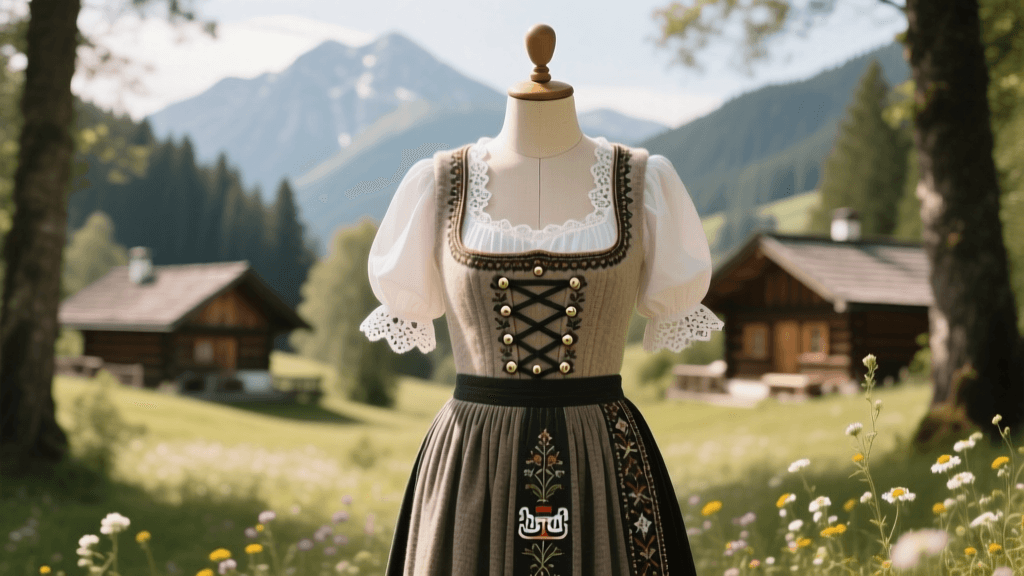
To understand the value of a genuine Miesbacher Tracht, one must examine its four core components. Each piece is governed by unwritten but strictly observed rules regarding material, cut, and color.
1. The Mieder (Bodice)
The Mieder is the structural heart of the dirndl. In the Miesbacher tradition, the bodice is typically crafted from dark, rich fabrics such as deep forest green, navy blue, or black silk brocade, or fine worsted wool. The front is often closed with hidden hooks or intricate silver lacing, avoiding the large, decorative metal clasps seen in commercial fashion. The neckline is modest, usually a soft round or subtle square, designed to frame the blouse perfectly without excessive embellishment. In 2026, master tailors emphasize internal boning made from natural reeds or flexible steel to ensure the bodice sits flush against the torso without restricting breathing.
2. The Rock (Skirt) and the Art of Pleating
The skirt of a Miesbacher Tracht is a marvel of textile engineering. It is not merely gathered at the waist; it is meticulously pleated using a traditional technique known as Faltenlegen. An authentic skirt requires between 4.5 and 6 meters of fabric circumference at the hem. The wool or silk-blend fabric is dampened, pressed into sharp, uniform pleats, and then bound with a specialized linen tape at the waistband. This heavy pleating creates the signature bell-like drape and swaying motion that defines high-quality Alpine dress. The hem is finished with a wide, contrasting silk band called the Besatz, which adds weight and protects the skirt from wear.
3. The Schürze (Apron)
The apron is the most expressive element of the Tracht. For the Miesbacher style, the Schürze is traditionally made from hand-block-printed silk, fine damask, or high-grade linen. The patterns are usually subtle, featuring tone-on-tone florals or geometric Alpine motifs. The length must perfectly match the skirt, ending just two finger-widths above the hem's silk band. Tying the apron bow on the left indicates the wearer is single, while the right indicates marriage or commitment—a tradition still strictly observed at regional festivals in 2026.
4. The Bluse (Blouse)
Worn beneath the Mieder, the blouse is crafted from white batiste, fine linen, or lightweight cotton. The Miesbacher blouse features a delicate drawstring neckline, often adorned with hand-crocheted lace or subtle pintucks. The sleeves can be short and puffed or long and fitted, depending on the season, but the fabric must always be natural and breathable.
Regional Variations: Miesbach vs. Berchtesgaden
While the untrained eye might group all Bavarian dirndls together, regional variations are profound. Comparing the Miesbacher Tracht with the neighboring Berchtesgadener Tracht highlights the hyper-local nature of European folk dress.
| Feature | Miesbacher Tracht | Berchtesgadener Tracht |
|---|---|---|
| Bodice Color | Dark green, navy, or black | Often lighter greens, grey, or brown |
| Skirt Fabric | Heavy worsted wool or silk-wool blend | Lighter wool blends, often striped |
| Apron Material | Hand-printed silk or fine damask | Cotton or linen, frequently checkered |
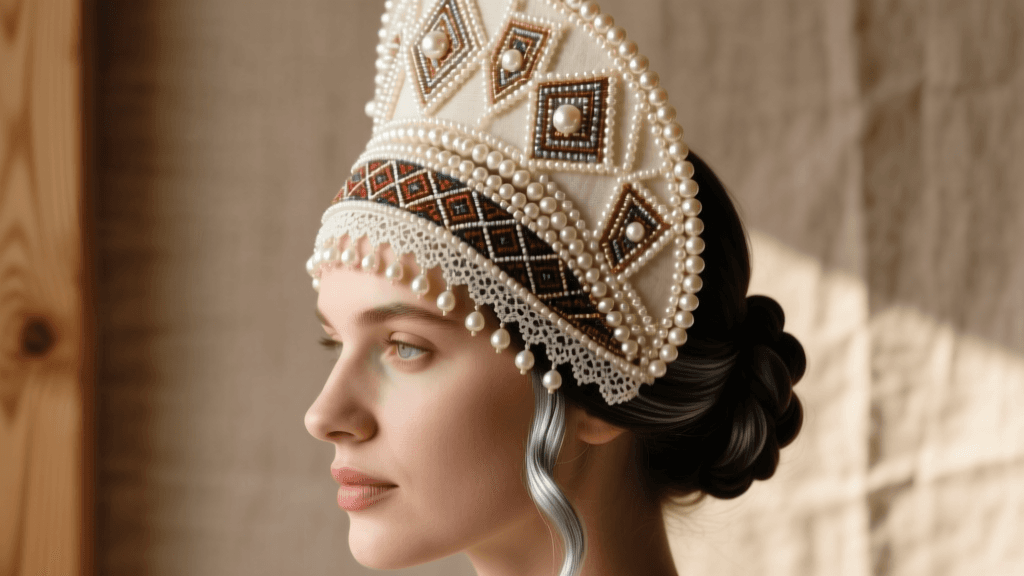
| Headwear | Gold-embroidered silk cap (Goldhaube) | Straw hat with velvet ribbon or floral wreath |
| Jewelry | Silver filigree, coral beads | Charivari (silver chain with coins/talismans) |
Historical garments preserved at the Bayerisches Nationalmuseum in Munich demonstrate that these regional distinctions were solidified by the late 19th century and remain fiercely protected by local Tracht societies today.
The 2026 Buyer’s Guide: Sourcing and Pricing
Sourcing an authentic Miesbacher Tracht in 2026 requires navigating a market saturated with fast-fashion imitations. Genuine garments are investments, often passed down through generations. Here is what you need to know about current market pricing and where to look.
Understanding 2026 Pricing Tiers
- Bespoke / Maßgeschneidert (€1,800 – €3,500+): Commissioned from a certified Trachtenschneiderei (traditional tailor). This includes custom measurements, hand-pleating, and premium natural fibers. The waiting list for top artisans in Upper Bavaria currently spans 6 to 9 months.
- Ready-to-Wear Authentic (€700 – €1,500): Produced by heritage brands that still manufacture in Bavaria or Austria using traditional methods. These offer standard sizing but maintain the correct fabric weights, pleating techniques, and modest cuts.
- Mass-Market / Tourist Grade (€80 – €250): Made from polyester blends, featuring glued-on lace, machine-gathered skirts, and zippers. These should be avoided by anyone seeking genuine folk dress.
Where to Source Authentic Garments
To ensure authenticity, buyers should seek out members of the Bundesverband der Trachten- und Volkstanzvereine or visit specialized boutiques in Munich, such as those located near the Viktualienmarkt, which stock verified regional makers. When shopping online in 2026, always check the product specifications for natural fiber content (100% wool, silk, or linen) and look for the term handgereiht (hand-gathered) or handgefaltet (hand-pleated). The Haus der Bayerischen Geschichte frequently publishes directories of certified traditional artisans and upcoming regional markets where authentic Tracht is sold.
Textile Care and Preservation
Owning a Miesbacher Tracht comes with the responsibility of proper textile care. Because these garments are constructed from natural animal and plant fibers, modern dry-cleaning chemicals can be devastating.
- The Skirt: Never machine wash a hand-pleated wool skirt. The moisture and agitation will permanently destroy the Faltenwurf (pleat structure). Spot clean with a damp cloth and a mild wool detergent. To refresh the pleats, hang the skirt in a steamy bathroom, then lay it flat on a specialized pleating board and press with a heavy, dry iron.
- The Bodice: Due to the internal boning and delicate silk brocade, the Mieder should only be professionally cleaned by a specialist who understands historical garment construction. Air it out after wearing and store it flat or on a wide, padded hanger to prevent shoulder dimpling.
- The Apron: Silk aprons should be wrapped in acid-free tissue paper and stored in a dark, climate-controlled drawer to prevent UV fading and fiber degradation.
Conclusion
The Miesbacher Tracht dirndl is far more than a piece of clothing; it is a wearable archive of Bavarian history, textile innovation, and regional pride. As we move through 2026, the commitment to sourcing authentic, sustainably crafted folk dress not only supports local artisans but also ensures that the rich tapestry of European traditional garments survives for future generations. By understanding the precise construction, respecting regional variations, and investing in genuine quality, collectors and enthusiasts can participate in the ongoing legacy of Alpine culture.