Authentic Sardinian Pibiones Weaving 2026 Buyer Guide
The Revival of Sardinian Tessuti a Pibiones in 2026
When discussing the pinnacle of European folk dress and regional textile heritage, the Italian island of Sardinia commands profound respect. Among its most revered traditions is the tessuti a pibiones (raised-grain weaving), a meticulous loom technique that produces a textured, three-dimensional fabric resembling clusters of grapes or seeds. As of 2026, the global appetite for sustainable, slow-fashion heritage garments and home textiles has sparked a massive revival in Sardinian weaving cooperatives. However, this surge in demand has also flooded the market with machine-made jacquard imitations. For serious collectors, interior designers, and traditional garment enthusiasts, knowing how to source, authenticate, and care for genuine pibiones is more critical than ever.
Understanding the Pibiones Loom Technique
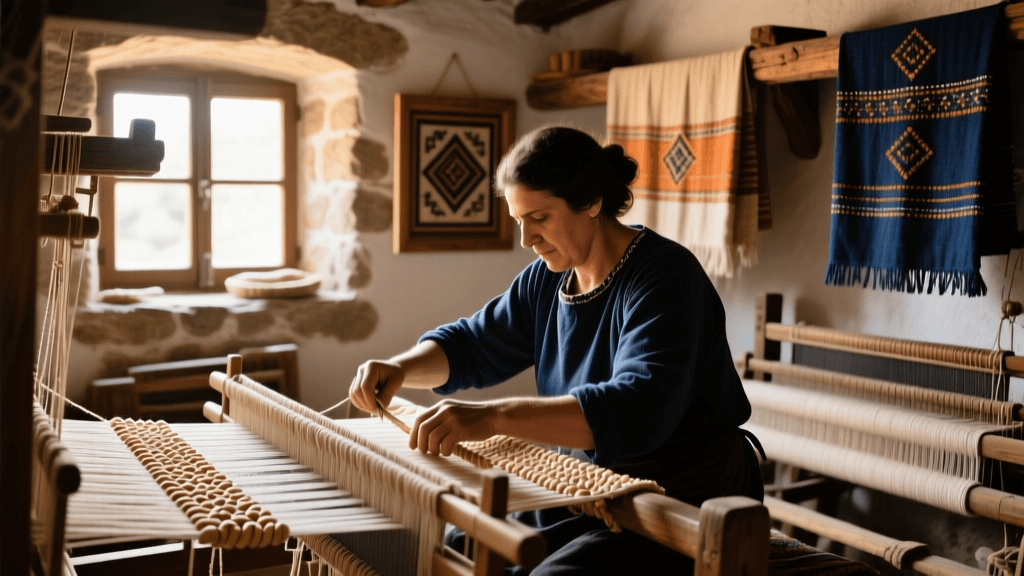
To appreciate the value of these textiles, one must understand the grueling mechanics of the traditional Sardinian loom. The pibiones technique relies on a supplementary weft thread that is manually wound around a smooth wooden or metal rod placed across the warp. When the rod is removed, the thread forms a raised, tactile loop or 'grain' on the surface of the fabric.
Unlike standard flatweave or tapestry methods, creating a single row of pibiones requires the weaver to manually count and wrap the thread across hundreds of warp intersections. A master weaver in villages like Samugheo or Sarule might spend an entire 8-hour day at the wooden loom to complete just 10 to 15 centimeters of intricate, raised-grain fabric. In 2026, the raw materials have also evolved to meet modern eco-standards; while traditional Sardinian sheep wool remains the gold standard for heavy blankets and outerwear, heritage brands are increasingly incorporating organically certified European linen and mercerized cotton for lighter, climate-appropriate garments and table linens.
Top Heritage Cooperatives and Brands to Source in 2026
Sourcing authentic pieces requires bypassing tourist-centric souvenir shops and connecting directly with artisan cooperatives and certified heritage brands. According to the official Sardinia Tourism board, the island's weaving cooperatives are the lifeblood of rural economic preservation, employing hundreds of female artisans who have inherited patterns passed down through oral and visual tradition.
Below is a 2026 buyer's comparison of the most prestigious weaving hubs and networks for authentic pibiones textiles:
| Cooperative / Brand | Village / Region | Signature Pattern | 2026 Price Range (Table Runner 35x150cm) | Custom Lead Time |
|---|---|---|---|---|
| Tessitura Su Trobisci | Samugheo | Pibiones a rombi (Diamonds) | €240 - €380 | 8 - 12 Weeks |
| Artigianato Tessile di Sarule | Sarule | Fiori e Uccelli (Flora & Fauna) | €190 - €320 | 6 - 10 Weeks |
| ISOLA Certified Network | Island-wide | Various Regional Motifs | €160 - €450 | 4 - 16 Weeks |
Tessitura Su Trobisci (Samugheo)
Samugheo is widely considered the capital of Sardinian weaving. The women of Tessitura Su Trobisci operate some of the oldest functioning wooden looms in Europe. In 2026, their workshop has introduced a 'heritage apprenticeship' program, ensuring that the complex geometric counting required for the rombi (diamond) and stemma (crest) patterns is transferred to a new generation. Commissions here are ideal for heavy wool fanugas (traditional saddlebags) and intricate bedspreads.
Artigianato Tessile di Sarule
The village of Sarule offers a slightly different aesthetic, often utilizing darker, natural wool dyes (deep browns, charcoal, and indigo) contrasted with vibrant saffron and madder root reds. Their interpretation of the pibiones often incorporates stylized birds and floral motifs, reflecting the agrarian roots of the Barbagia region. This cooperative is highly recommended for those seeking authentic textiles to incorporate into bespoke folk-inspired outerwear or heavy winter skirts.
The ISOLA Certification Network
For buyers unable to travel to the interior villages, the ISOLA (Istituto Sardo Organizzazione Lavoro Artigiano) network provides a verified marketplace. The push to recognize and protect these regional techniques aligns with broader preservation efforts tracked by UNESCO's Intangible Cultural Heritage frameworks, which heavily emphasize the safeguarding of traditional craftsmanship. Purchasing through ISOLA-certified vendors guarantees that the textile was woven by hand on a traditional loom within Sardinia.
How to Authenticate Handwoven Sardinian Textiles
As machine-made jacquard looms have become more sophisticated, distinguishing a true handwoven pibiones from a factory-made replica requires a trained eye. When evaluating a piece in 2026, follow these actionable authentication steps:
- Inspect the Reverse Side: This is the most definitive test. A genuine handwoven pibiones textile will show the distinct, slightly irregular path of the supplementary weft thread on the back. You will see the manual tension variations and the base structure of the warp. Machine-made jacquards will appear flat, uniform, or feature a synthetic backing mesh on the reverse.
- Feel the 'Grains': Authentic raised grains are firm and structurally integrated into the weave. If the raised bumps feel loosely attached, overly uniform, or squishy, it is likely a machine-embroidered or tufted imitation.
- Check for Imperfections: Hand-weaving is a human endeavor. Look closely at the selvedge (the finished edge of the fabric). Slight, rhythmic undulations in the selvedge edge are a hallmark of a manual shuttle being thrown by hand, whereas machine edges are laser-straight.
- Verify the Marchio di Qualità: The Italian National Tourist Board (ENIT) and regional authorities recommend looking for the official artisan quality marks. Genuine pieces will often come with a numbered certificate of authenticity detailing the weaver's name, the village, and the loom type used.
Sourcing for Contemporary Garment Design
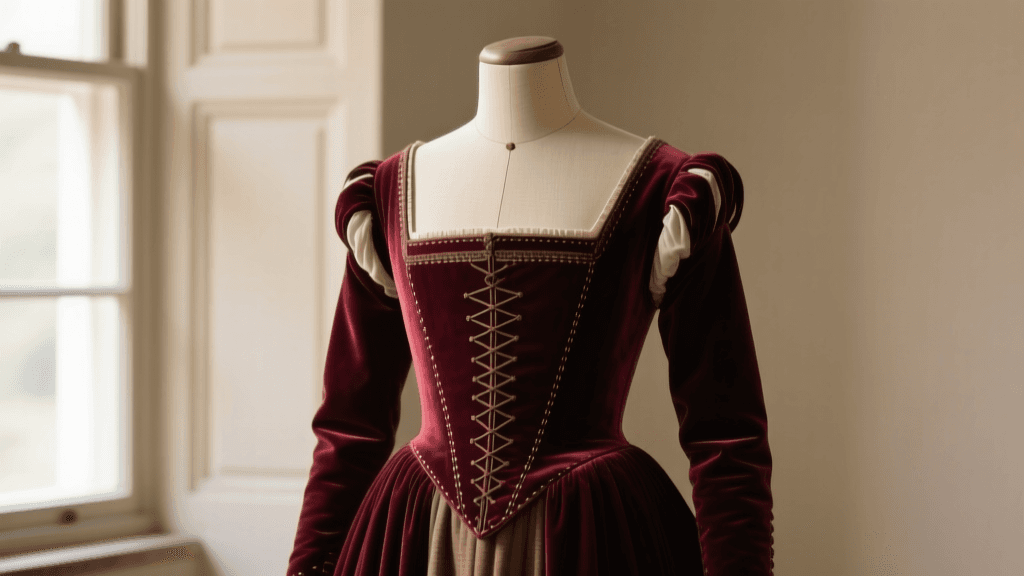
While traditionally used for bedspreads, table runners, and heavy saddlebags, the 2026 European folk-fashion revival has seen designers integrating pibiones panels into modern garments. When commissioning fabric for apparel (such as bodices, heavy winter skirts, or jacket lapels), it is vital to communicate your intended use to the weaver. Garment-weight pibiones requires a tighter warp sett (ends per inch) and the use of mercerized cotton or fine linen blends rather than coarse sheep's wool, ensuring the fabric drapes correctly and withstands the friction of being worn.
Caring for Heritage Sardinian Wool and Linen
Investing in heritage textiles requires proper maintenance to ensure they last for generations. Sardinian wool is rich in natural lanolin, which provides some water resistance but makes it highly susceptible to heat and agitation.
- Washing: Never machine wash or dry clean authentic pibiones wool. Hand wash in cool water (maximum 25°C) using a pH-neutral, lanolin-based wool wash. Do not wring or twist the fabric, as this will distort the tension of the hand-tied warp and ruin the alignment of the raised grains.
- Drying: Roll the textile in a clean, dry towel to gently press out excess moisture. Lay it completely flat on a drying rack away from direct sunlight. Hanging a wet pibiones textile will cause the heavy, water-logged wool to stretch irreparably under its own weight.
- Storage: When storing for the off-season, wrap the textile in unbleached, acid-free cotton muslin. Avoid plastic bins, which trap moisture and encourage mildew. Place natural cedar blocks or dried lavender sachets nearby to deter wool-eating moths, which remain a persistent threat to natural European folk textiles.
Conclusion
The survival of the Sardinian pibiones technique is a testament to the resilience of European folk dress traditions. By understanding the mechanics of the loom, sourcing directly from heritage cooperatives like those in Samugheo and Sarule, and rigorously authenticating the reverse weave, collectors and designers can ensure their investments support genuine artisanship. As the slow-fashion movement continues to mature in 2026, these raised-grain masterpieces remain not just beautiful textiles, but wearable, tangible archives of Mediterranean history.