Norwegian Bunad & Halling Dance: 2026 Festival Guide
The Intersection of Hallingdans and the Bunad
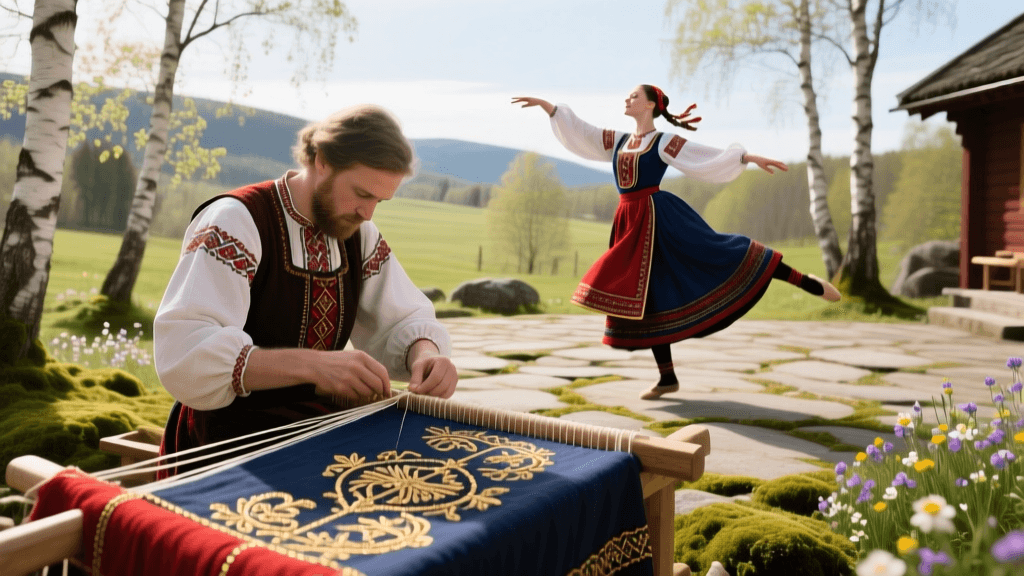
The Norwegian folk festival season of 2026 promises to be one of the most vibrant in recent memory, drawing thousands of dancers, musicians, and textile artisans to the valleys of Telemark, Hallingdal, and Valdres. At the heart of these gatherings is the explosive intersection of traditional garment construction and athletic folk dance. The Hallingdans, a highly acrobatic solo dance characterized by deep squats, rapid spins, and the legendary nakkespretten (a backbend kick where the foot touches the forehead), demands a costume that is not merely decorative, but structurally engineered for extreme kinetic movement.
Unlike static museum displays, the authentic Norwegian Bunad worn at events like the 2026 Landskappleiken must withstand tremendous physical stress. Understanding the precise construction, material weight, and historical accuracy of these garments is essential for any dancer or textile enthusiast participating in this year's festival circuit. As recognized by global cultural heritage frameworks, the transmission of such physical and material traditions is vital. According to the guidelines established by UNESCO's framework for Intangible Cultural Heritage, the safeguarding of traditional craftsmanship and performing arts are deeply intertwined, ensuring that the garments and the dances evolve together while maintaining their historical roots.
Constructing a Dance-Ready Bunad for 2026 Festivals
Creating a Bunad capable of surviving the rigorous demands of the Hallingdans requires a departure from modern, lightweight tailoring. The traditional 19th-century construction methods, meticulously documented and preserved by institutions such as the Norsk Institutt for Bunad og Folkedrakt (NBF), rely on heavy, natural fibers and internal structural reinforcements that modern fast-fashion replicas completely lack.
Skirt Weight and Pendulum Dynamics
For female dancers performing the springar and gangar dances, the stakk (skirt) must act as a weighted pendulum. A proper dance-ready skirt for the 2026 season should weigh between 1.8 and 2.5 kilograms. This weight is achieved by using a dense, 8-shaft satin weave or a heavy 2/2 twill wool, historically sourced from heritage mills like Hillesvåg Ullvarefabrikk. The heavy wool ensures that during the rapid snuing (spins), the skirt flares out into a perfect, unbroken bell shape, which is a critical visual and judging criterion at national competitions.
Furthermore, the hem must be protected by a robust skoning (hem facing). For dancers, this facing should be constructed from heavy, waxed linen or soft goat leather, extending at least 15 centimeters up the inside of the skirt. This prevents the wool from fraying when it repeatedly strikes the dancer's traditional leather shoes during low kicks and sweeps.
Bodice Reinforcement and Silver Sølje Safety
The liv (bodice) must provide rigid back support without restricting the ribcage expansion needed for the intense cardiovascular output of the Halling. Traditional tailors achieve this by quilting a layer of steiveduk (stiff canvas) and wool wadding between the outer brocade or wool fabric and the linen lining. This internal corset-like structure prevents the bodice from buckling when the dancer bends backward during the nakkespretten.
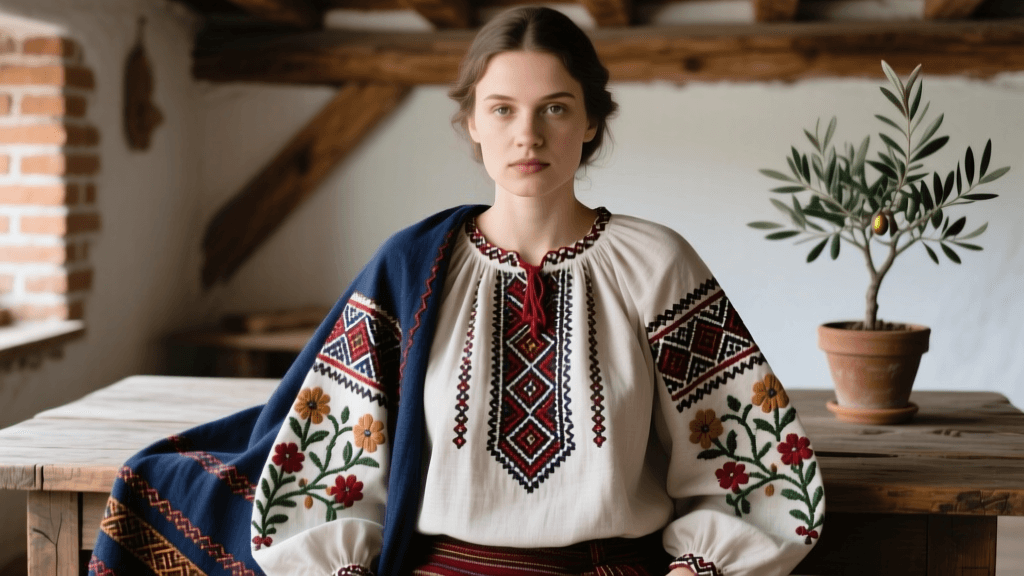
Silver jewelry, or sølje, presents a unique hazard during acrobatic folk dance. A standard Telemark bridal crown or chest piece can weigh over 300 grams. In 2026, with silver spot prices remaining high, a high-quality filigree halssølje (neck silver) represents a significant investment, often exceeding 6,500 NOK. Dancers must ensure their silver is pinned using traditional, locking silver pins rather than modern clasps, and the shirt fabric beneath must be reinforced with a hidden linen patch to prevent the heavy silver from tearing the delicate whitework embroidery during sudden movements.
Footwear for the Halling: Traditional Bunadsko
You cannot execute a proper hallingspring in modern dance shoes. The traditional bunadsko is constructed with a chrome-tanned or vegetable-tanned leather upper and a stacked leather heel. For male Halling dancers, the heel must be exactly 1.5 to 2.0 centimeters high and feature a hardened leather or wooden insert. This specific height and density produce the sharp, percussive klakk (click) sound when the dancer strikes the floor or their own shoe during the dance's rhythmic stomping sequences.
As of early 2026, traditional cobblers in regions like Gudbrandsdalen and Telemark are reporting lead times of 6 to 8 months for custom-lasted dance shoes. Dancers are advised to order their footwear no later than January to ensure proper break-in time before the midsummer festivals. The soles must be full-grain leather, allowing for the necessary slide on wooden dance floors, while the toe box must be reinforced to withstand the impact of the krullingen (a move where the dancer kicks their own heel while spinning in a squat).
2026 Festival Calendar & Preparation Timeline
Planning your festival attendance and garment preparation is crucial. Below is a structured timeline for the major 2026 Norwegian folk dance and costume gatherings, highlighting the specific dance focus and garment requirements for each.
| Festival / Event | 2026 Dates | Location | Primary Dance & Garment Focus |
|---|---|---|---|
| Jørundgarddagane | June 25 - 28, 2026 | Sel, Gudbrandsdalen | Gudbrandsdal Bunad; Springar and Gangar couples dances. |
| Landskappleiken | July 1 - 5, 2026 | Ål, Hallingdal | Hallingdans solo acrobatics; Hallingdal Mannsbunad and Kvinnebunad. |
| Telemarksfestivalen | August 12 - 16, 2026 | Bø i Telemark | Telemark Bunad silverwork; Røros and Telemark rhythmic stepping. |
| Førde Internasjonale Folkemusikkfestival | August 20 - 23, 2026 | Førde, Vestland | Hardanger Bunad; Cross-cultural folk dance exchanges. |
Sourcing Authentic Materials in 2026
The authenticity of a Bunad is judged not just by its pattern, but by the provenance of its materials. The Costume Institute at The Metropolitan Museum of Art has long documented how regional European folk dresses rely on hyper-local textile production, a tradition that remains fiercely protected in Norway today.
- Wool Fabric: For the 2026 season, premium worsted wool suitable for the stakk and liv costs approximately 480 to 550 NOK per meter. Ensure the wool is dyed using traditional methods, as synthetic dyes can alter the drape and weight of the fabric.
- Linen for Shirts: The skjorte requires high-quality, half-bleached linen. With European flax yields stabilizing in 2025, 2026 prices for heritage Irish and Belgian linens hover around 320 NOK per meter. This linen must be pre-shrunk and boiled before cutting to prevent warping during the intense embroidery process.
- Embroidery Thread: For Hardanger embroidery and blackwork, mercerized cotton or traditional spun wool yarn must be colorfast. Dancers sweat heavily during the Hallingdans; non-colorfast threads will bleed and ruin the pristine white linen of the shirt, resulting in severe point deductions at competitive festivals.
Preserving the Heritage: The Path Forward
Participating in the 2026 Norwegian folk festival season is an exercise in living history. The Bunad is not a static costume relegated to a glass case; it is a dynamic, moving textile that breathes, stretches, and flares in time with the ancient rhythms of the Hardanger fiddle. By respecting the rigorous construction standards of the past—prioritizing heavy wools, reinforced bodices, and properly crafted leather footwear—dancers ensure that the Hallingdans remains as visually spectacular and athletically demanding in the 21st century as it was in the mountain valleys centuries ago. Prepare your garments early, respect the materials, and let the dance carry the tradition forward.