Norse Viking Smokkr Apron Dress Sewing Guide For 2026
The Evolution of the Smokkr in Modern Reenactment
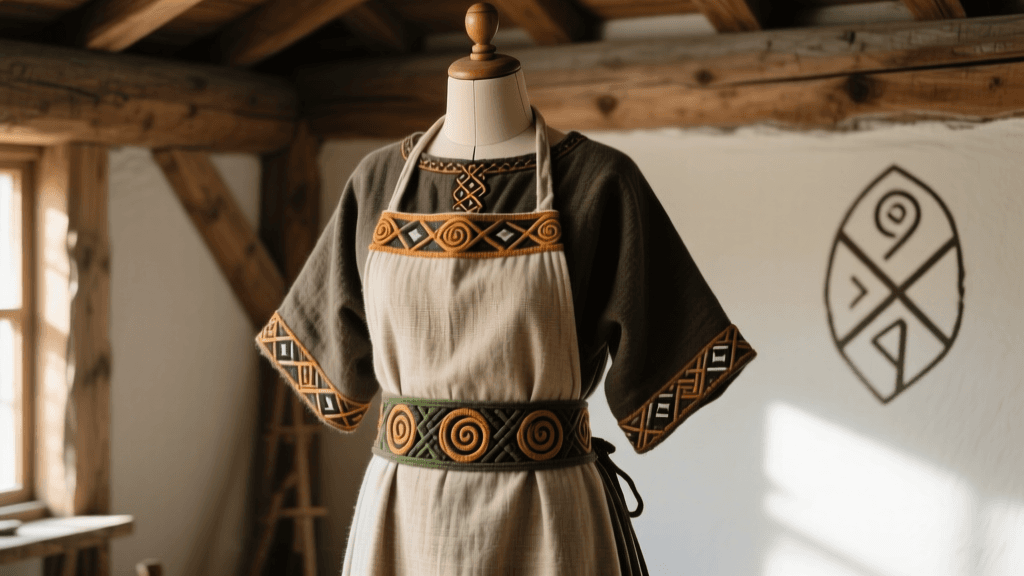
As we navigate the historical reenactment and folk dress landscape in 2026, the demand for absolute archaeological accuracy in Viking Age garments has never been higher. The smokkr, commonly referred to as the Viking apron dress or hangerock, remains the most iconic silhouette of Norse women's clothing. However, the romanticized, heavily pleated tube dresses of the early 2000s have been entirely discarded by serious historians and textile artists. Today, the focus is on evidence-based reconstruction, utilizing the latest archaeological textile analyses to recreate garments that reflect the true ingenuity of Nordic weavers and tailors from the 9th to 11th centuries.
Whether you are preparing for the upcoming summer reenactment season or seeking to deepen your understanding of European folk dress, constructing an authentic smokkr requires a careful balance of historical pattern drafting, appropriate textile selection, and period-accurate hand-sewing techniques. This comprehensive 2026 guide will walk you through the precise steps to create a museum-quality Norse apron dress.
Archaeological Evidence vs. 2026 Reconstruction Standards
To build an accurate smokkr, we must look to the surviving textile fragments. The most vital archaeological finds informing our 2026 patterns come from the Hedeby harbor, the Adwick-le-Street burial, and the Køge find. According to the National Museum of Denmark, the apron dress was not a single uniform garment but rather a versatile over-gown suspended by shoulder straps and fastened with a pair of oval tortoise brooches.
The outdated "pleated tube" theory has been replaced by the wrapped or multi-panel construction model. Evidence suggests that the smokkr was often constructed from four to six rectangular or slightly tapered panels, sewn together to create a garment that flared naturally at the hem without the need for excessive, fabric-wasting pleats. This panel-based approach not only conserves precious woven wool but also allows the garment to drape elegantly over the underlying linen or wool shift (serk).
Drafting Your Custom Smokkr Pattern
Creating a bespoke pattern for your smokkr requires precise measurements and an understanding of historical fabric widths. Viking Age looms typically produced fabric between 50 cm and 100 cm wide, meaning garment panels were designed to minimize off-cuts.
Essential Measurements
- Bust Circumference: Measure over the under-dress and the bulkiest part of the bust.
- Waist and Hips: The smokkr does not need to be fitted at the waist, but the hip measurement ensures the panels will drape without pulling.
- Garment Length: Measure from the upper chest (where the brooch will sit) down to the mid-calf or ankle, depending on your specific regional and status portrayal.
- Strap Length: Measure from the front brooch placement, over the shoulder, to the back brooch placement. Add 10 cm for seam allowances and loops.
The Four-Panel Construction Method
For a standard, highly accurate 2026 reconstruction, the four-panel method is recommended. Cut two rectangular panels for the front and back, and two slightly flared or gored side panels. The front and back panels should be wide enough to cover the torso, while the side panels provide the necessary flare for walking and working. The top edge of the dress is typically folded over once or twice and hemmed, creating a sturdy channel to which the woven loops are attached.
Sourcing Authentic Norse Textiles
The foundation of any high-quality Viking folk dress is the fabric. In 2026, the availability of historically accurate, hand-woven, and traditionally dyed wools has expanded, allowing reenactors to move away from modern, machine-woven commercial fabrics. The Viking Ship Museum in Roskilde emphasizes that the thread count, weave structure, and wool preparation are just as critical as the color.
Below is a comparison of the most appropriate textile choices for a smokkr in the current market:
| Textile Type | Weave Structure | Historical Accuracy | 2026 Market Availability |
|---|---|---|---|
| Diamond Twill Wool | 2/2 Broken Twill | Extremely High (Status) | Specialty Heritage Weavers |
| Herringbone Wool | 2/2 Twill Variant | High | Widely Available |
| Tabby Weave Wool | Plain Weave | High (Everyday Wear) | Widely Available |
| Modern Melton Wool | Plain/Twill (Fulled) | Low (Too thick/stiff) | Commercial Fabric Stores |
When sourcing your fabric, aim for a weight between 250 and 350 grams per square meter. The wool should be lightly fulled to prevent fraying but should retain enough drape to move gracefully. Natural dye colors such as madder red, woad blue, weld yellow, and walnut brown are highly recommended for an authentic aesthetic.
Historical Sewing Techniques and Seam Finishes
Machine sewing has no place in a high-level historical reconstruction. To achieve the durability and aesthetic of a true Viking Age garment, you must utilize period-accurate hand-sewing techniques. The primary stitch used for joining panels was the running stitch, worked with a strong, waxed linen or wool thread.
The Felled Seam
To prevent the raw edges of the wool from fraying and to add structural integrity, Norse seamstresses relied heavily on the felled seam. To execute this: 1. Place your two fabric panels right sides together and sew a running stitch about 1 cm from the edge. 2. Trim one side of the seam allowance down by half. 3. Fold the longer seam allowance over the trimmed edge, enclosing the raw edge completely. 4. Pin the fold flat against the fabric and sew it down using a whip stitch or a secondary running stitch. This technique creates a clean, finished interior and exterior, ensuring the garment can withstand the rigors of outdoor reenactment events and daily wear.
Tablet Weaving and Trimmings
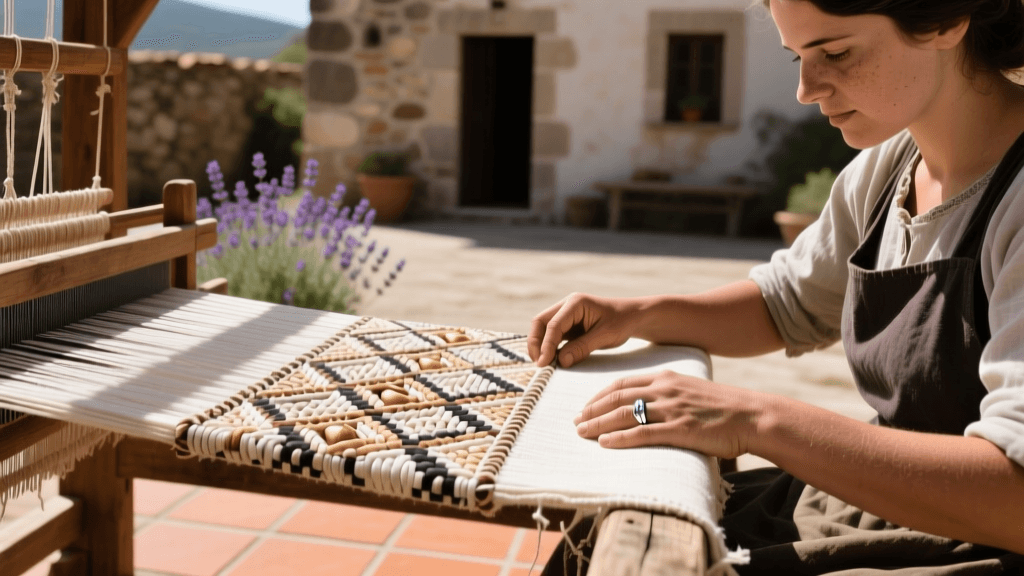
No smokkr is complete without the intricate, decorative trims that denoted wealth and regional identity. Tablet weaving (or card weaving) was the premier method for creating strong, patterned bands used to edge the neckline, hem, and strap ends of the apron dress. The Oseberg ship burial yielded some of the most complex tablet-woven bands in the archaeological record, featuring intricate knotwork and animal motifs.
For your 2026 project, consider weaving a band using the "Snartemo V" pattern or a simple geometric diamond motif. Use fine, worsted-spun wool yarn in contrasting colors. The woven band should be sewn to the top edge of the smokkr, covering the raw edge and the attachment points of the shoulder loops. Not only does this provide a beautiful finish, but it also reinforces the stress points where the heavy bronze brooches will pull against the fabric.
Fastening with Oval Brooches
The smokkr is suspended by loops that pass through the pins of a pair of oval brooches, often colloquially called "tortoise brooches." The most common archaeological types are the P37 and P51 styles. When attaching your loops, it is vital to use a sturdy, tablet-woven band or a tightly folded strip of the same wool as the dress.
Create loops that are just large enough to pass over the pin of the brooch. Sew these loops securely to the inside of the dress, directly below the top hem, using a strong backstitch. The placement of the brooches should be roughly at the collarbone level, allowing the dress to hang comfortably without restricting arm movement or risking a wardrobe malfunction during active historical demonstrations.
Conclusion: Embracing the 2026 Standard
The journey of reconstructing a Viking Age smokkr is a profound connection to the women of the Norse world. By abandoning outdated myths and embracing the archaeological realities of panel construction, diamond twill weaves, and felled seams, you elevate your folk dress from a mere costume to a living piece of history. As the 2026 reenactment season approaches, let your garment stand as a testament to the skill, artistry, and enduring legacy of Nordic textile traditions.