Vyshyvanka & Ie Blouses 2026: Authentic Sourcing Guide
The Enduring Legacy of Eastern European Embroidered Blouses
The intersection of sustainable fashion, cultural reclamation, and heritage preservation has propelled traditional Eastern European folk dress into the global spotlight. As we navigate the sartorial landscape of 2026, the Ukrainian vyshyvanka and the Romanian and Moldovan ie stand out not merely as historical artifacts, but as living, breathing testaments to Slavic and Balkan resilience. For collectors, cultural enthusiasts, and advocates of slow fashion, sourcing these garments requires a nuanced understanding of regional techniques, textile quality, and artisan economics. This comprehensive guide will equip you with the knowledge to identify, source, and preserve authentic Eastern European embroidered blouses in today's market.
Decoding the Vyshyvanka: Regional Motifs and 2026 Market Trends
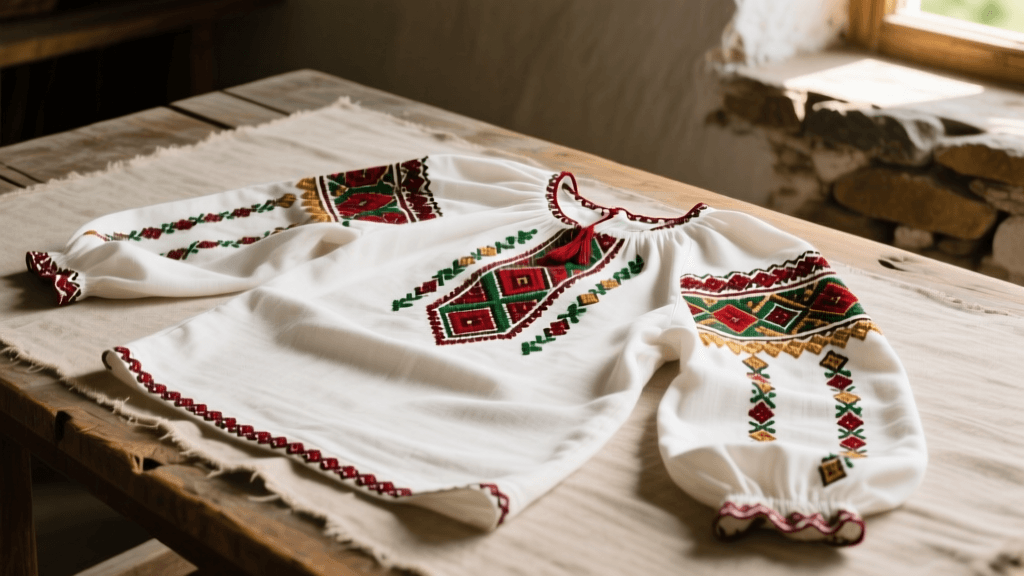
The Ukrainian vyshyvanka (which translates simply to "embroidered shirt") is a masterclass in coded symbolism. Historically, every stitch served as a talisman, protecting the wearer from evil spirits while signaling their marital status, village of origin, and social standing. In 2026, the global appreciation for the vyshyvanka has evolved beyond the mass-produced, machine-embroidered souvenirs of the past decade. Today's discerning buyers seek out heritage weavers who utilize traditional wooden looms and natural flax fibers.
The contemporary market has seen a massive resurgence in the use of organic, locally sourced dyes. Artisans are returning to woad for deep blues, madder root for rich reds, and weld for vibrant yellows, moving away from the synthetic aniline dyes that dominated the late 20th century. When examining a vyshyvanka, one must understand that Ukraine's vast geography has birthed distinctly regional styles. The embroidery techniques range from the painstakingly complex cutwork of the central plains to the dense, vibrant cross-stitch of the Carpathian Mountains.
| Region | Color Palette | Signature Motifs | 2026 Average Artisan Price |
|---|---|---|---|
| Poltava | White-on-white, pale grey | Geometric stars, intricate cutwork | $280 - $450 |
| Hutsul (Carpathians) | Vibrant red, orange, yellow, black | Dense geometric diamonds, sun symbols | $220 - $380 |
| Volyn | Red and black on white linen | Simple, repeating geometric crosses | $180 - $300 |
| Bukovyna | Polychrome with metallic threads | Floral and horned animal motifs | $300 - $500 |
The Romanian and Moldovan Ie: Altiță Patterns and Heritage
Crossing the Carpathians into the Balkans, we encounter the Romanian and Moldovan ie, a blouse of such profound cultural significance that its traditional manufacturing techniques have been fiercely protected on an international level. The defining characteristic of the authentic ie is the altiță—a dense, highly ornamental band of embroidery covering the shoulder. According to the UNESCO Intangible Cultural Heritage Representative List, the traditional technology of making and wearing this specific blouse is a protected cultural treasure.
Below the altiță lies the increț (a gathering of fabric that provides structural support and decorative contrast), followed by the râuri (literally "rivers"), which are diagonal or vertical stripes of embroidery flowing down the sleeves. In 2026, authentic ie blouses crafted by rural cooperatives in regions like Argeș, Vâlcea, and Suceava are highly sought after. The modern revival has sparked a movement among young Balkan designers who are apprenticing under village elders to ensure that complex stitches like the punctul în cruciulițe (cross-stitch) and cheița (a type of lace-like joining stitch) are not lost to time.
How to Authenticate Handmade Folk Blouses in 2026
With the surge in demand for heritage garments, the 2026 market is unfortunately flooded with "vintage-style" blouses manufactured in fast-fashion facilities. Authenticating a hand-embroidered folk blouse requires a meticulous, multi-step inspection.
The "Wrong Side" and Magnification Tests
First and foremost is the "Wrong Side" test. Turn the garment inside out. Hand embroidery is inherently organic; you will see slight variations in thread tension, small knots where the artisan tied off their thread, and the natural carry of the thread across the back of the fabric. Machine embroidery, conversely, relies on a continuous bobbin thread, resulting in a perfectly uniform, flat back often covered in a layer of synthetic stabilizer or interfacing. If the back of the embroidery looks as pristine and uniform as the front, it is almost certainly machine-made. Use a jeweler's loupe to examine the thread fibers; hand-spun or traditional mercerized threads will show natural irregularities, whereas modern synthetic floss will appear perfectly cylindrical and plastic-like under magnification.
Thread and Fabric Analysis
Secondly, conduct a fabric analysis. Authentic historical and high-end contemporary pieces are woven from linen, hemp, or raw cotton. In 2026, you can perform a discreet burn test on a loose thread from the seam allowance. Natural cellulose fibers like linen and cotton will burn quickly, smell like burning paper, and leave a fine, crushable ash. Synthetic blends will melt, smell like plastic, and form a hard, uncrushable bead. Furthermore, examine the thread itself. Traditional wool or silk threads have a distinct luster and irregular thickness that modern, mass-produced embroidery floss simply cannot replicate.
Sourcing Authentic Pieces: Cooperatives and Artisans
Sourcing authentic pieces in 2026 requires bypassing generic e-commerce platforms and connecting directly with artisan cooperatives, heritage boutiques, and specialized textile fairs. Digital archives, such as the Europeana Cultural Heritage Collections, are invaluable tools for buyers. By studying high-resolution images of verified museum pieces, you can train your eye to recognize authentic regional patterns and colorways before making a purchase.
When buying directly from artisans in Eastern Europe, expect to pay a premium that reflects the hundreds of hours of labor involved. A genuine, hand-embroidered vyshyvanka or ie typically costs between $200 and $600 in 2026, depending on the complexity of the stitch work and the rarity of the materials. Be wary of sellers offering "handmade" blouses for under $80; the cost of raw linen alone, combined with the minimum time required for basic embroidery, makes such pricing economically impossible for a true artisan.
Caring for Heritage Textiles: Washing and Storage
Preserving these heritage textiles requires a strict departure from modern laundry habits. The Britannica guide to textile conservation emphasizes that historical and handmade garments are highly susceptible to photo-degradation and chemical damage.
Washing and Drying Protocols
Never machine wash a hand-embroidered blouse. The agitation will cause the linen fibers to break down and the embroidery threads to bleed or fray. Instead, hand wash the garment in lukewarm water using a pH-neutral, conservation-grade detergent. Avoid soaking the piece for extended periods, as this can cause natural dyes to migrate. When drying, never wring or twist the fabric. Gently press the excess water out by rolling the blouse in a clean, white cotton towel, then lay it flat on a drying rack away from direct sunlight, which will rapidly fade both natural and synthetic dyes.
Ironing and Long-Term Storage
When ironing, always turn the blouse inside out and place it face-down on a thick, clean terry cloth towel. This protects the three-dimensional texture of the embroidery from being crushed by the iron's weight. Use a pressing cloth between the iron and the fabric, and opt for a medium-heat steam setting. For long-term storage, avoid wire hangers, which will distort the shoulder seams and stretch the delicate altiță embroidery. Fold the blouse using acid-free archival tissue paper to cushion the folds and prevent permanent creasing. Store it in a breathable cotton garment bag in a cool, climate-controlled environment, utilizing natural cedar blocks or lavender sachets for pest control rather than chemical mothballs, which can degrade natural fibers over time.
Conclusion
Investing in an authentic Ukrainian vyshyvanka or Romanian ie in 2026 is more than a sartorial choice; it is an act of cultural preservation. By understanding the regional nuances, demanding authentic craftsmanship, and practicing meticulous textile care, you ensure that these magnificent examples of Eastern European folk dress will endure for generations to come.