The Romanian Ia Blouse Revival: 2026 Styling Guide
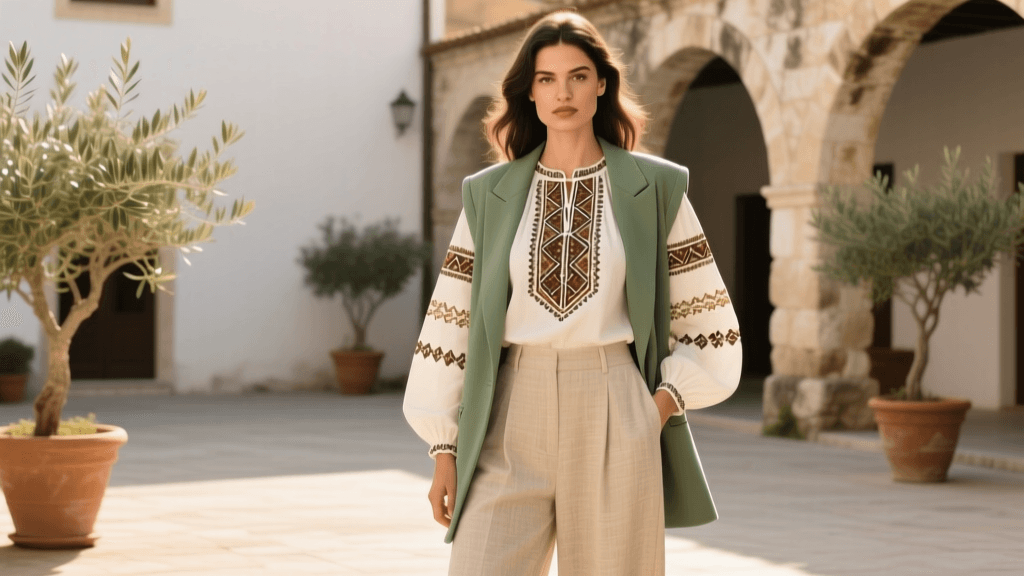
The Renaissance of the Romanian Ia in 2026
As the global fashion landscape of 2026 continues to pivot away from hyper-fast, disposable clothing, a profound appreciation for heritage dressing and artisanal craftsmanship has taken center stage. At the heart of this movement is the revival of the European folk dress, specifically the Romanian Ia (pronounced "ee-ah"). Once reserved strictly for rural festivals and national holidays, the traditional Romanian blouse has been reclaimed by contemporary wardrobes, bridging the gap between ancient textile traditions and modern "folk-core" aesthetics. This year, styling the Ia is no longer about wearing a costume; it is about integrating centuries of cultural storytelling into everyday, elevated fashion.
The momentum behind this revival is not merely a fleeting trend. Following its celebrated inscription on the UNESCO Intangible Cultural Heritage list, the art of the traditional blouse with shoulder embroidery has seen a massive surge in global interest. In 2026, sustainable fashion advocates and high-end designers alike are looking to the Ia as a masterclass in slow fashion, zero-waste pattern cutting, and symbolic embroidery.
Understanding the Authentic Ia: Craftsmanship and Motifs
To style the Ia correctly in a contemporary context, one must first understand its architecture. The authentic blouse is constructed from rectangular pieces of hand-woven linen, hemp, or cotton, resulting in a zero-waste garment. The magic of the Ia lies in its specific embroidered zones, each carrying deep cultural significance:
- The Altiță: The most defining feature of the Ia, this is the dense, intricate embroidery panel located on the upper shoulder. Historically, the altiță acted as a visual identifier of the wearer’s specific village, marital status, and social standing.
- The Increț: A delicate, often smocked gathering at the neckline that provides the blouse with its signature voluminous silhouette while allowing the fabric to drape elegantly over the shoulders.
- The Râuri: Meaning "rivers," these are the vertical or diagonal bands of embroidery that flow down the sleeves from the altiță to the cuffs, symbolizing the flow of life, water, and time.
Organizations like La Blouse Roumaine have been instrumental in the 2020s and into 2026 in educating the public on distinguishing between mass-produced, culturally appropriated imitations and genuine, handcrafted pieces made by rural artisans.
Regional Variations and Color Symbolism
When curating your 2026 wardrobe, the color palette of your Ia will dictate its styling potential. The National Museum of the Romanian Peasant archives highlight strict regional color codes that remain highly relevant for collectors today:
- Oltenia and Muntenia (Southern Regions): Characterized by striking contrasts, often featuring deep black, vibrant red, and metallic gold or silver thread on pristine white linen. These bold pieces serve as excellent statement items for modern minimalist outfits.
- Moldova (Eastern Region): Famous for the "spiral" or "ram’s horn" motifs, frequently utilizing earthy tones, deep blues, and rich burgundies. The geometric precision of Moldovan Ii makes them highly compatible with structured, contemporary tailoring.
- Transylvania and Banat (Western/Central Regions): Often feature denser fabric weaves with intricate, multi-colored floral and vegetal motifs, sometimes incorporating heavy blackwork or subtle pastel threads that blend seamlessly into soft, romantic spring styling.
Contemporary Styling: Integrating the Ia into Modern Wardrobes
The challenge of wearing historical European folk dress in 2026 is avoiding a theatrical or costumey appearance. The key to contemporary styling is juxtaposition—pairing the voluminous, heavily embroidered top with sleek, modern, and structured bottoms.
1. The Elevated Minimalist (Office & Daywear)
For a sophisticated daytime or office-appropriate look, treat the Ia as a high-end designer blouse. Choose an Ia with a more subdued color palette, such as white-on-white embroidery or subtle monochromatic blackwork. Tuck the blouse into high-waisted, wide-leg tailored trousers in charcoal or navy. Allow the increț (neckline gathering) to sit softly off the shoulder or neatly at the collarbone. Finish the look with pointed-toe leather loafers and structured architectural jewelry. The volume of the sleeves provides a dramatic, fashionable silhouette that commands attention in professional settings without sacrificing elegance.
2. Folk-Core Streetwear (Urban & Casual)
The "folk-core" trend of 2026 embraces a slightly grungy, lived-in aesthetic. For this look, source a vintage, mid-century Ia that shows slight signs of aging or natural linen discoloration. Pair it with upcycled, baggy denim jeans or a heavy canvas midi skirt. Layer the blouse under a distressed leather moto jacket or an oversized, cropped utility vest. Chunky combat boots and layered silver chain necklaces bridge the gap between rural tradition and urban streetwear. This styling method honors the durability of the hand-woven hemp and linen fabrics originally used by working women in the Carpathian mountains.
3. Evening Elegance and Formal Fusion
For evening events, the metallic threads (gold and silver) found in traditional Ii from the Argeș and Vâlcea regions catch the light beautifully. Pair a richly embroidered, dark linen Ia with a bias-cut silk slip skirt in a complementary jewel tone. Cinch the waist with a thin, modern leather belt to give the historically loose-fitting garment a contemporary hourglass shape. Swap traditional peasant footwear for minimalist strappy heels, and keep hair and makeup sleek and modern to let the centuries-old embroidery serve as the ultimate statement piece.
Sourcing Authentic and Ethical Ii in 2026
As demand has surged, the market has been flooded with machine-embroidered replicas. For the conscious consumer in 2026, ethical sourcing is paramount. Below is a comparison of the primary avenues for acquiring a Romanian Ia today:
| Sourcing Method | 2026 Price Range (USD) | Authenticity & Quality | Lead Time |
|---|---|---|---|
| Vintage & Antique Markets | $150 - $600+ | Highest (Historical artifact, natural dyes, hand-spun thread) | Immediate |
| Rural Artisan Cooperatives | $250 - $800 | High (Traditional craft, supports living heritage and rural economies) | 4 - 12 Weeks |
| Contemporary Heritage Brands | $120 - $350 | Medium (Modern adaptations, semi-handmade, commercial linen) | Immediate |
When purchasing from contemporary brands, always verify the origin of the embroidery. True artisan cooperatives will often provide the name and village of the embroiderer, ensuring fair trade practices and the preservation of the altiță technique.
Care and Maintenance for Hand-Embroidered Linen
Owning an authentic Ia is an investment in wearable art. The hand-woven linen and natural dye threads require specific care to ensure they last for generations.
- Washing: Never machine wash an authentic Ia. Handwash in cool water using a pH-neutral, delicate textile soap. Avoid harsh detergents that can strip natural oils from vintage linen or cause metallic threads to tarnish.
- Drying: Never wring or twist the fabric. Roll the blouse in a clean, dry towel to press out excess moisture, then lay it flat to dry away from direct sunlight, which can yellow antique white linen and fade natural botanical dyes.
- Ironing: Iron the garment while it is still slightly damp, always on the reverse side, using a medium-hot setting. Place a clean cotton pressing cloth between the iron and the embroidery to prevent crushing the three-dimensional texture of the altiță.
- Storage: Store your Ia folded in acid-free tissue paper inside a breathable cotton bag. Include sachets of dried lavender to repel moths naturally, avoiding chemical mothballs that can degrade natural fibers over time.
Conclusion
The Romanian Ia is far more than a garment; it is a wearable archive of European history, spirituality, and artistic mastery. As we navigate the fashion landscape of 2026, integrating the Ia into our contemporary wardrobes is a powerful statement against the homogenization of global style. By understanding its anatomy, respecting its regional variations, and styling it with modern intentionality, we not only elevate our personal aesthetics but also actively participate in the preservation of one of Europe’s most profound textile traditions.