Complete Norwegian Bunad Guide 2026: Regional Styles
The Living Heritage of the Norwegian Bunad in 2026
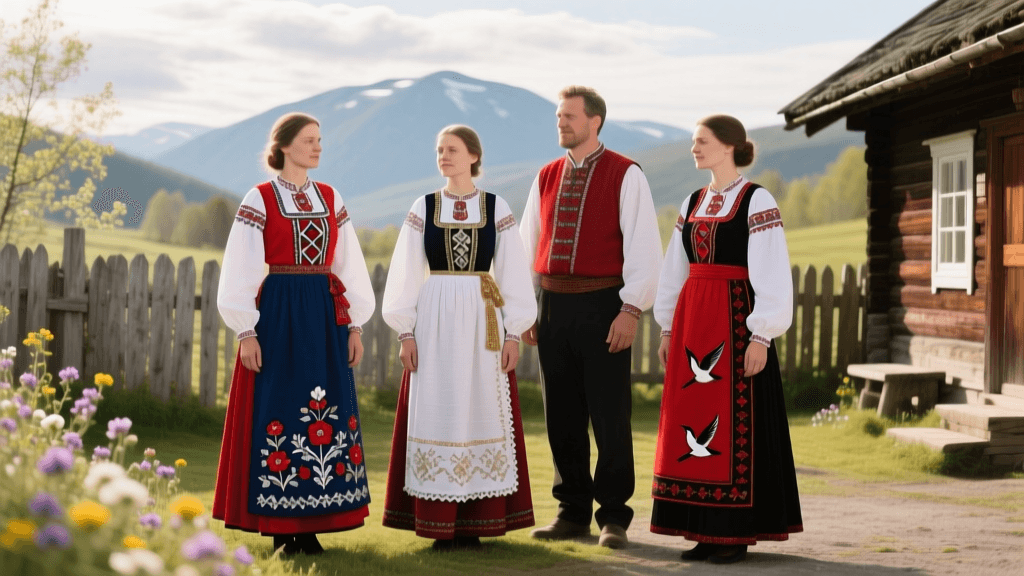
In the vibrant cultural landscape of 2026, the Norwegian bunad remains far more than a mere historical costume; it is a living, breathing expression of regional identity, familial lineage, and national pride. Unlike many European folk dresses that have been relegated to museum displays or tourist performances, the bunad is actively worn by hundreds of thousands of Norwegians during weddings, baptisms, and, most notably, Constitution Day (Syttende Mai) on May 17th. As we move through 2026, there has been a remarkable resurgence in youth engagement with traditional textile arts, driven by a broader European movement toward sustainable, slow fashion and heritage craftsmanship. According to recent cultural surveys highlighted by Visit Norway, over eighty percent of Norwegian women and a growing percentage of men own at least one bunad, representing a staggering financial and emotional investment in their ancestral roots.
Bunad vs. Folkedrakt: Clarifying the Terminology
Before diving into specific regions, it is crucial to understand the distinction between a bunad and a folkedrakt. A folkedrakt refers to the original, historical rural clothing worn by Norwegian peasants from the 17th to the 19th centuries. These garments evolved organically and were subject to local fashion trends and material availability. A bunad, however, is a modern reconstruction or redesign based on these historical folkedrakter. The creation and standardization of bunads largely began during the National Romantic period in the late 19th and early 20th centuries. Today, the Bunad and Folk Costume Council (Bunad- og Folkedraktrådet) serves as the authoritative government body that researches, approves, and protects the historical integrity of bunad designs, ensuring that 2026 artisans adhere to strict material and construction guidelines.
Regional Deep Dive: Hardanger, Telemark, and Setesdal
Norway is divided into numerous distinct bunad regions, each with its own color palette, embroidery techniques, and silver jewelry traditions. Let us explore three of the most iconic and historically significant regional styles.
Hardangerbunad: The "White" Bunad of the Fjords
Originating from the breathtaking Hardangerfjord region, the Hardangerbunad is arguably the most famous Norwegian folk dress, largely because it was worn by Princess Ingrid of Sweden (later Queen of Norway) in the 1920s, sparking a nationwide revival. The women's Hardangerbunad is characterized by a dark blue or black wool skirt and bodice, contrasted starkly by a white linen apron and collar featuring Hardangersøm (whitework embroidery). This intricate cutwork and drawn-thread embroidery requires hundreds of hours of meticulous hand-stitching. In 2026, authentic Hardangersøm remains entirely hand-done by specialized artisans; machine-made imitations are strictly rejected by the Bunad Council. The male version features a dark wool jacket, knee-breeches, and a distinctive red or dark blue vest with embroidered floral motifs.
Telemarksbunad: Rich Embroidery and Heavy Silver
The Telemark region, often considered the cradle of Norwegian folk culture, boasts some of the most elaborate and heavily embroidered bunads in the country. The women's Telemarksbunad typically features a deep blue or black wool base adorned with vibrant, multi-colored floral embroidery (roses, tulips, and acanthus leaves) that reflects the region's rich tradition of rosemaling (decorative painting). The Telemark bunad is also famous for its extensive use of silver. A fully accessorized Telemark bride in 2026 might wear several hundred grams of hand-forged silver, including elaborate breastpieces, hairpins, and heavy silver belts. The East Telemark and West Telemark variations offer slight differences in skirt pleating and bodice construction, allowing wearers to pinpoint their exact ancestral village.
Setesdalsbunad: The Woolen Tradition of the Valley
Nestled in a deep, historically isolated valley, Setesdal maintained its traditional clothing practices longer than almost anywhere else in Norway. The Setesdal bunad is heavily influenced by the region's famous lusekofta (the "louse" pattern sweater), featuring striking geometric designs in white and black yarn. The women's bunad utilizes a heavy, dark charcoal or black wool, heavily embroidered with white and black geometric cross-stitch patterns along the hems and bodice. Unlike the floral exuberance of Telemark, the Setesdal aesthetic is stark, dramatic, and deeply connected to the harsh, beautiful reality of the Norwegian highlands. The accompanying silver jewelry features distinct, older Viking-influenced motifs, including the kragesølje (collar brooch) with its dangling, bell-like silver pendants.
2026 Material Sourcing and Artisan Costs
Commissioning a custom bunad in 2026 is a significant undertaking, both financially and temporally. Due to the strict requirements set by the Bunad Council, all primary wool must be sourced from specific Norwegian spinning mills, such as the historic Selbu Spinneri or Rauma Ullvarefabrikk, which have recently upgraded their sustainable milling processes for 2026. The hand-embroidery and custom silver forging mean that wait times for a complete, bespoke bunad can range from twelve to twenty-four months. Below is a comparative breakdown of regional characteristics and estimated 2026 costs for a complete women's ensemble, including base garments and essential silver.
| Region | Primary Wool Color | Distinctive Feature | Avg. 2026 Custom Cost (NOK) |
|---|---|---|---|
| Hardanger | Black or Deep Blue | Whitework embroidery (Hardangersøm) | 35,000 - 45,000 |
| Telemark | Dark Blue or Black | Rich floral embroidery, heavy silver | 40,000 - 55,000 |
| Setesdal | Dark Charcoal/Black | White/black geometric embroidery | 30,000 - 40,000 |
Note: Prices in 2026 reflect the rising costs of raw silver and specialized artisan labor. A complete silver set (sølje) alone can account for 10,000 to 20,000 NOK of the total cost.
Essential Silver Jewelry (Sølje) and Accessories
A bunad is never considered complete without its traditional silver jewelry. In Norwegian folklore, silver was believed to protect the wearer from evil spirits and the "hidden folk" (huldra). Today, it serves as the ultimate status symbol and family heirloom. Essential pieces include:
- Brystsølje (Breastpiece): The centerpiece of the bunad jewelry, pinned to the front of the blouse or bodice. It often features a large central motif surrounded by radiating silver leaves or droplets.
- Halssølje (Neckpiece): A smaller, more delicate silver brooch used to fasten the collar of the linen shirt.
- Belte (Belt): While some regions use woven silk or wool belts, many (like Telemark) utilize heavy leather belts adorned with large, cast silver plaques.
- Hodeplagg (Headwear): Headwear varies drastically by region and marital status. Married women in Hardanger traditionally wear the elaborate skaut, a multi-layered, heavily starched white linen cap, while unmarried women may wear a simple beaded headband.
- Veske (Purse): A small, embroidered velvet or wool pouch, often featuring a silver clasp, used to carry modern necessities discreetly.
Modern Preservation: Caring for Your Investment
Given the immense financial and sentimental value of a bunad, proper preservation is critical. The Norwegian Museum of Cultural History frequently publishes guidelines on textile conservation that apply directly to private bunad owners. In 2026, the consensus among conservationists is to avoid traditional chemical dry cleaning, which can strip the natural lanolin from the hand-woven wool and cause the vibrant embroidery threads to bleed. Instead, bunads should be aired out thoroughly after use in a cool, dry environment. For spot cleaning, specialized, pH-neutral wool detergents are recommended. Storage should involve breathable cotton garment bags—never plastic, which traps moisture and encourages mold. To combat the persistent threat of clothes moths, modern 2026 solutions favor non-toxic, pheromone-based traps and natural cedar blocks over chemical mothballs, which can tarnish the precious silver jewelry if stored in the same vicinity.
Conclusion
The Norwegian bunad is a masterclass in the intersection of history, art, and identity. Whether you are drawn to the stark, whitework elegance of the Hardangerfjord, the vibrant floral exuberance of Telemark, or the rugged geometric traditions of Setesdal, investing in a bunad is an act of cultural preservation. As we navigate 2026, the continued dedication of local artisans, spinning mills, and the Bunad Council ensures that these magnificent garments will not only survive but thrive, allowing future generations to wear their heritage with profound pride.