Slavic Embroidered Blouses 2026: Vyshyvanka & Ie Guide
The Cultural Renaissance of Eastern European Embroidery in 2026
In 2026, the global fashion landscape has seen a profound shift towards slow fashion, heritage preservation, and culturally significant garments. At the forefront of this movement within the European folk dress category are the traditional embroidered blouses of Eastern Europe and the Balkans. Specifically, the Ukrainian vyshyvanka and the Romanian ie have transcended their regional roots to become highly sought-after pieces of wearable art. For collectors, cultural enthusiasts, and conscious consumers, understanding the nuances of these garments is essential. This comprehensive guide will walk you through the history, authentication, market pricing, and modern styling of Slavic and Balkan embroidered blouses in the current year.
Vyshyvanka vs. Ie: Understanding the Distinctions
While both garments share a foundation in Slavic and Balkan textile traditions, their construction, regional variations, and embroidery techniques are distinctly unique.
The Ukrainian Vyshyvanka
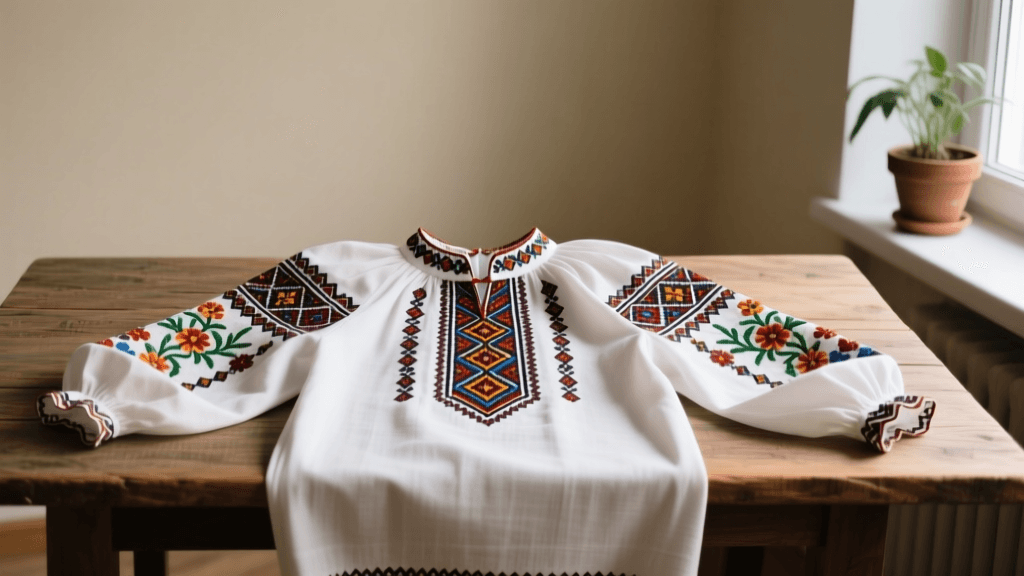
The vyshyvanka is a traditional Ukrainian embroidered shirt, historically worn by both men and women, though women's styles feature more intricate and expansive needlework. In 2026, artisan collectives in regions like Poltava, Hutsulshchyna, and Bukovyna continue to produce these garments using centuries-old techniques. The Poltava style is famous for its 'white-on-white' embroidery, utilizing shadow stitching and cutwork to create subtle, elegant textures. Conversely, the Hutsul style from the Carpathian Mountains is renowned for its vibrant, dense geometric patterns in red, black, yellow, and green, often incorporating cross-stitch (khrestyk) and beading.
The Romanian Ie
The Romanian ie (pronounced 'yeh') is a traditional blouse characterized by its specific structural elements. The hallmark of an authentic ie is the altiță, a densely embroidered smocked band on the shoulder, which historically indicated the wearer's social status and region. Below the altiță lies the încreț (a gathered, often contrasting geometric band), followed by the râuri (rivers), which are diagonal or vertical bands of embroidery flowing down the sleeves. Artisans in regions like Argeș, Olt, and Bucovina utilize materials ranging from raw silk to metallic threads, creating a luminous effect that is highly prized in contemporary 2026 folk art collections.
Symbolism in Slavic and Balkan Motifs
Every stitch in traditional Eastern European folk dress carries profound meaning, acting as a talismanic language woven into the fabric. Understanding these motifs adds immense value to your garment.
- Solar Symbols (Rozha/Rhombuses): Representing the sun, fertility, and the life-giving energy of the earth. Often found on the chest and sleeves to protect the heart and arms.
- The Tree of Life (Berehynia): A central motif in Ukrainian embroidery, symbolizing the connection between the underworld, the earthly realm, and the heavens. It is a powerful emblem of ancestry and continuity.
- Color Meanings: In both Ukrainian and Romanian traditions, red is the dominant color, symbolizing life, blood, and protection against evil spirits. Black represents the earth and sorrow, while gold or yellow signifies wealth, the sun, and spiritual enlightenment.
The preservation of these symbolic languages is actively supported by global heritage organizations. According to UNESCO's Intangible Cultural Heritage lists, the tradition of the embroidered shirt and its associated rituals are recognized as vital cultural expressions that require active safeguarding in the modern era.
2026 Buyer's Guide: Authenticating Hand-Embroidered Folk Blouses
As the demand for authentic Eastern European folk dress has surged in 2026, so has the market for mass-produced imitations. Distinguishing between a true artisan piece and a factory-made replica requires a keen eye.
The Reverse Side Test
Turn the garment inside out. Hand embroidery, particularly traditional cross-stitch and satin stitch, will show a distinct, often slightly messy reverse side with visible thread carries and knots. Machine embroidery typically features a uniform, locked stitch pattern on the back, often backed by a synthetic stabilizer mesh that feels stiff to the touch.
Thread Composition and the Burn Test
Authentic 2026 artisan pieces utilize natural fibers: mercerized cotton, linen, wool, or raw silk. Mass-market replicas frequently use polyester threads for their high sheen and low cost. If you are permitted, a careful burn test on a single loose thread can reveal the material: natural cotton or linen will burn to a fine, crushable ash and smell like burning paper, while polyester will melt into a hard, plastic bead.
Stitch Uniformity and Tension
Human hands are not machines. Upon close inspection, authentic hand-embroidered ie or vyshyvanka blouses will feature microscopic variations in stitch tension and alignment. These 'imperfections' are the hallmark of human craftsmanship and significantly increase the garment's value.
Market Pricing and Value Comparison (2026 Data)
The pricing landscape for Eastern European folk blouses has stabilized in 2026, reflecting a growing appreciation for ethical labor and sustainable textiles. Below is a comparison chart to help you navigate the current market.
| Category | Price Range (USD) | Production Time | Material & Thread | Investment Value |
|---|---|---|---|---|
| Artisan Hand-Embroidered | $450 - $1,500+ | 3 - 12 Weeks | Hand-woven linen, silk/cotton thread | High (Heirloom Quality) |
| Boutique Machine-Embroidered | $120 - $350 | 1 - 3 Days | Commercial linen, mercerized cotton | Moderate (Everyday Wear) |
| Fast-Fashion Printed | $30 - $85 | Mass Produced | Polyester blends, printed ink | Low (Trend-driven) |
Sourcing Authentic Artisans in 2026
Finding genuine artisans requires looking beyond standard e-commerce algorithms. In 2026, the most reliable method for acquiring authentic pieces is through direct-to-consumer artisan cooperatives and specialized cultural platforms. Many master embroiderers in Ukraine and Romania operate via dedicated Instagram portfolios or specialized European folk art marketplaces. When purchasing, always request a certificate of authenticity or a video of the artisan working on the specific piece. Supporting cooperatives ensures that the economic benefits remain within the local communities, sustaining the craft for future generations.
Modern Styling: Integrating Folk Dress into Contemporary Wardrobes
The beauty of the vyshyvanka and ie lies in their versatility. In 2026, fashion stylists advocate for juxtaposing these highly detailed, voluminous folk garments with structured, minimalist modern pieces to let the embroidery take center stage.
- The Tailored Contrast: Pair a voluminous, white linen ie with high-waisted, wide-leg tailored wool trousers in charcoal or navy. The structure of the trousers balances the romantic volume of the smocked sleeves.
- Denim and Heritage: For a more casual approach, tuck a brightly colored Hutsul vyshyvanka into dark, raw-denim jeans. Add a wide leather belt to define the waist and ground the outfit.
- Layering for Autumn: As the weather cools, these blouses serve as exquisite layering pieces. Wear an ie under a structured, collarless blazer or a chunky, hand-knit cardigan, allowing the altiță (shoulder embroidery) and cuffs to peek through.
Accessorizing the Folk Blouse
Accessories should complement, not compete with, the intricate needlework. Traditional Romanian mărgele (glass bead necklaces) or Ukrainian korali (red coral beads) remain the most culturally resonant choices. For a modern 2026 aesthetic, opt for minimalist, hand-forged silver or gold jewelry. Footwear can range from traditional leather opinci (moccasin-like shoes) for cultural festivals to sleek, modern leather ankle boots or minimalist loafers for urban environments.
Garment Care and Preservation
Proper care is vital to maintaining the structural integrity and vibrancy of hand-embroidered folk dress. Natural fibers and traditional dyes require gentle handling. According to the Victoria and Albert Museum's textile conservation guidelines, historical and artisanal textiles should be kept away from direct sunlight and washed with extreme care.
Washing Instructions
Never machine wash an authentic hand-embroidered blouse. Instead, hand wash the garment in cool water using a pH-neutral, specialized textile detergent. Avoid wringing or twisting the fabric, as this can distort the smocking and break the embroidery threads. Gently press the water out by rolling the garment in a clean, dry, white cotton towel.
Drying and Ironing
Lay the blouse flat to dry on a mesh rack, away from direct heat or sunlight. When ironing, always turn the garment inside out. Place a thick, clean cotton towel on your ironing board, lay the blouse face down on the towel, and iron the reverse side. This technique prevents the embroidery stitches from being crushed flat, preserving their three-dimensional texture.
Long-Term Storage
For long-term storage, avoid wire hangers which can distort the shoulder seams and stretch the delicate smocking. Fold the garment using acid-free tissue paper to cushion the folds and prevent permanent creasing. Store in a breathable cotton garment bag in a cool, dry environment. For those interested in the historical context and preservation of these textiles, the Metropolitan Museum of Art's European textile archives offer extensive resources on the conservation of historical European garments.
Conclusion: Wearing History with Respect
The Ukrainian vyshyvanka and the Romanian ie are far more than mere clothing; they are woven archives of history, identity, and spiritual belief. As we navigate the fashion landscape of 2026, choosing to invest in authentic, artisan-made Eastern European folk dress is a powerful statement of cultural appreciation and sustainable consumption. By understanding the symbolism, learning to authenticate handwork, and caring for these garments properly, you ensure that these magnificent textile traditions continue to thrive and be celebrated for generations to come.