2026 Guide to Styling Baltic Linen and Bunad Silver
The 2026 European Folk Dress Revival
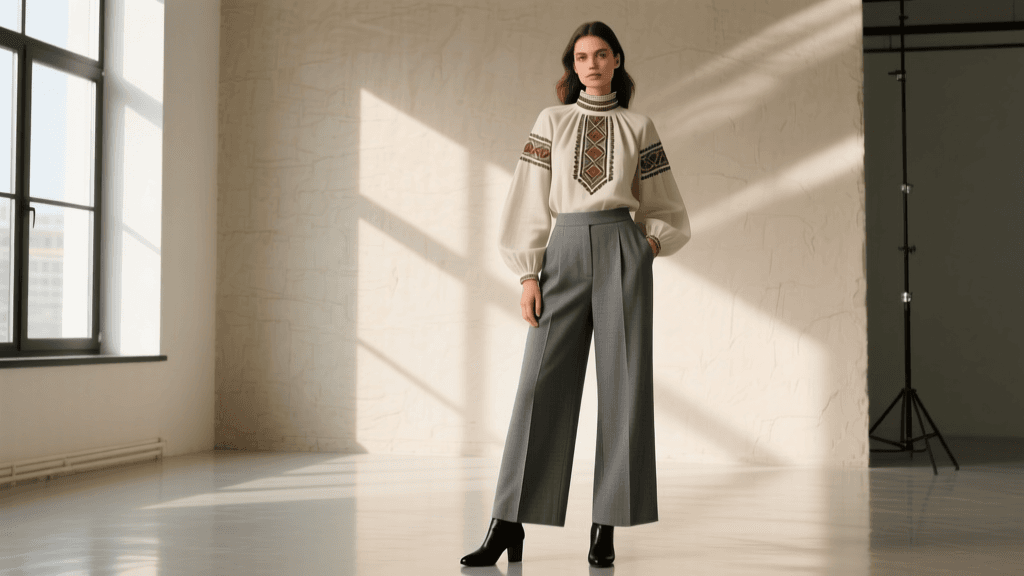
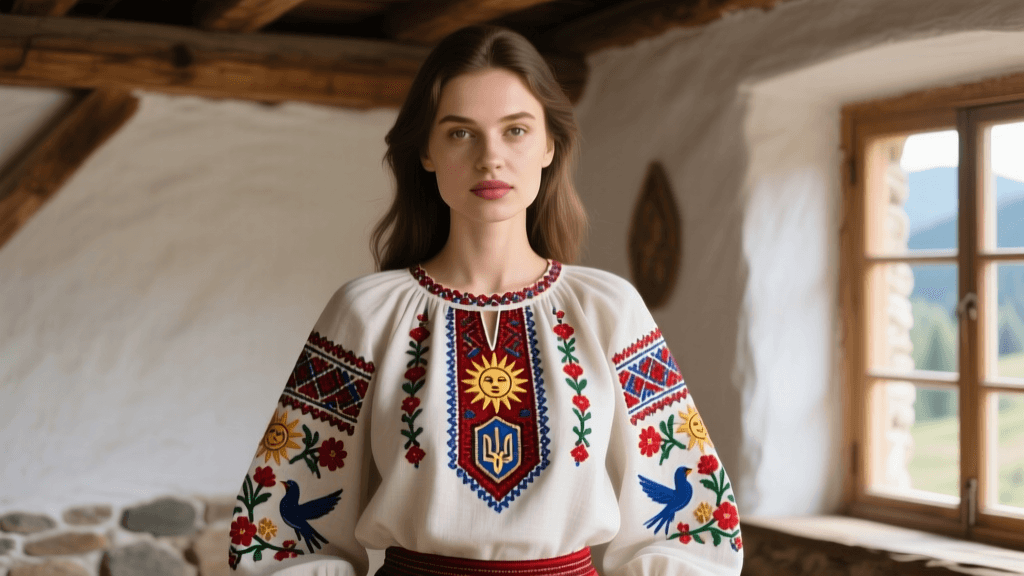
The landscape of European folk dress has undergone a radical transformation as we move through 2026. No longer confined to museum archives, seasonal festivals, or historical reenactments, traditional garments and textiles are being recontextualized for the contemporary wardrobe. This year, the prevailing trend is "heritage minimalism"—a styling philosophy that extracts the most exquisite elements of regional folk costumes and integrates them into modern, sustainable urban wardrobes. Two of the most highly sought-after elements in this revival are heavyweight Baltic linen and traditional Norwegian Bunad silver.
Rather than wearing full traditional costumes, which can sometimes feel out of place in a modern urban setting, contemporary stylists and heritage enthusiasts are focusing on the juxtaposition of rustic, organic textiles with intricate, historical metalwork. This approach honors the deep cultural roots of European folk dress while maintaining a sleek, modern silhouette suitable for the 2026 lifestyle.
The Shift to Heritage Minimalism
In recent years, the fashion industry has seen a massive pivot away from fleeting micro-trends toward garments that carry historical weight and artisanal value. According to the Victoria and Albert Museum's fashion archives, there is a renewed academic and public interest in the structural integrity and regional specificity of historical European textiles. In 2026, this translates to consumers demanding garments that tell a story of their origin.
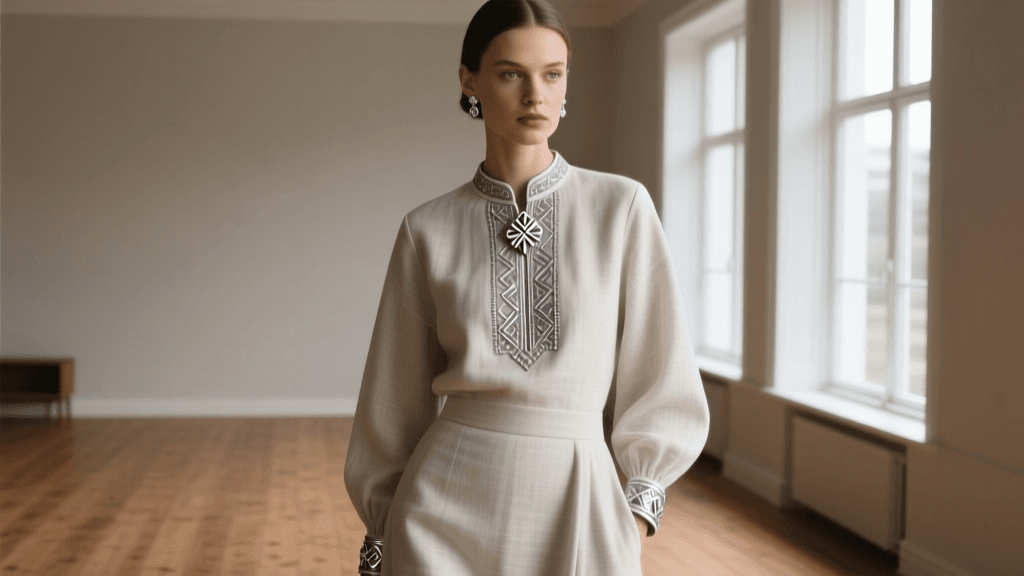
Heritage minimalism relies on a muted, natural color palette and exceptional fabric drape. It strips away the excessive embellishments often associated with modern fast-fashion interpretations of "folk" or "boho" styles, replacing them with authentic, regionally specific pieces. A hand-woven Lithuanian linen tunic or a structured Latvian linen coat serves as a blank canvas, allowing a single piece of traditional Norwegian silver to act as the focal point of the entire outfit.
Sourcing Authentic Baltic Linen in 2026
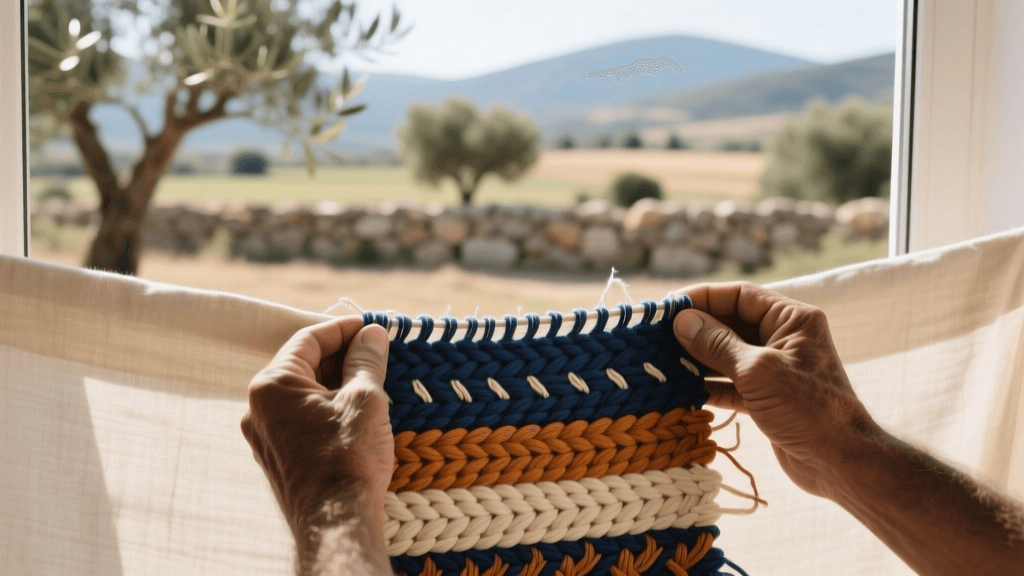
Baltic linen, primarily sourced from Lithuania and Latvia, remains the gold standard for European heritage textiles. The region's climate produces long-flax fibers that result in a remarkably durable, lustrous, and breathable fabric. When sourcing Baltic linen for contemporary styling this year, it is crucial to look beyond the generic "100% linen" labels found in mass-market stores.
Authentic heritage linen in 2026 is defined by its weight, weave, and finishing process. Look for linen that has been "stone-washed" or "enzyme-washed" using traditional, eco-friendly methods to soften the fibers without compromising their tensile strength. Furthermore, ensure the flax is certified by the Global Organic Textile Standard (GOTS), guaranteeing that the cultivation and weaving processes support sustainable European agriculture.
Fabric Weight and Styling Matrix
Understanding the weight of your linen, measured in Grams per Square Meter (GSM), is essential for achieving the right 2026 silhouette. Here is a guide to selecting the correct weight for your heritage wardrobe:
| Linen Weight (GSM) | Drape Profile | Best 2026 Garment Application | Styling Note |
|---|---|---|---|
| 140 - 160 GSM | Fluid, lightweight, breathable | Summer tunics, relaxed camp-collar shirts, layering slips | Best for high-heat urban environments; pairs well with delicate silver chains. |
| 190 - 220 GSM | Structured, medium body, soft drape | Oversized blazers, wide-leg trousers, A-line midi skirts | The ideal weight for tailoring; provides enough structure to support heavy Bunad brooches. |
| 250 - 300 GSM | Heavy, rigid, canvas-like | Winter coats, structured tote bags, utility jackets | Acts as outerwear; perfect for showcasing large, oxidized Norwegian silver clasps. |
Integrating Norwegian Bunad Silver into Urban Wardrobes
The Norwegian Bunad is a deeply respected folk costume, with specific designs tied to distinct valleys and regions. The silver jewelry that accompanies the Bunad—known as sølje—is historically significant, often featuring intricate filigree, dangling spoons, and symbolic motifs meant to ward off evil spirits. In 2026, wearing a full Bunad is reserved for national holidays like Syttende Mai or significant life events like weddings. However, integrating Bunad silver into daily wear is a celebrated way to keep the silversmithing tradition alive.
The most iconic piece is the veslølje (a smaller neck brooch) and the skjortesølje (shirt brooch). Historically used to fasten the collar of a linen shirt, these pieces are now being repurposed by contemporary stylists. Pinning a traditional silver sølje to the lapel of a 220 GSM charcoal linen blazer creates a striking contrast between the matte, organic texture of the flax and the intricate, reflective metalwork of the silver.
2026 Styling Rules for Heritage Silver
- Embrace Oxidation: While high-polish silver was popular in previous decades, the 2026 aesthetic heavily favors oxidized (blackened) silver. The darkened crevices highlight the complex filigree work and pairs beautifully with unbleached, natural-toned Baltic linen.
- Asymmetrical Placement: Move away from strict center-collar placements. Pin a veslølje off-center on a structured linen tote bag, or use a traditional silver cufflink to secure the waist tie of a wrap skirt.
- Mix Metals with Caution: Bunad silver is traditionally pure sterling or silver-plated. Avoid mixing it with yellow gold or rose gold, as this dilutes the historical authenticity of the piece. Stick to silver, pewter, and matte iron accents.
- Scale and Proportion: If you are wearing a large, elaborate chest piece, keep the rest of your jewelry minimal. Let the heritage piece command attention against a clean, unpatterned linen background.
The Ethical Imperative of Heritage Styling
The revival of European folk dress is not merely an aesthetic choice; it is an economic and cultural lifeline for rural artisans. As highlighted by Fashion Revolution's 2026 transparency index, consumers are increasingly demanding supply chain visibility and ethical compensation for traditional craftspeople. When you purchase authentic Bunad silver from a registered Norwegian silversmith or commission a garment from a Baltic linen weaver, you are directly participating in the preservation of intangible cultural heritage.
Organizations like the UNESCO Intangible Cultural Heritage program emphasize that traditional craftsmanship is a living practice. It requires active participation, economic viability, and contemporary relevance to survive. By styling these pieces in modern, everyday contexts, you ensure that the skills required to weave complex linen patterns or cast intricate silver filigree are passed down to the next generation of European artisans.
Care and Preservation of Heritage Pieces
Maintaining these historical textiles and metals requires a departure from modern, chemical-heavy laundry routines. Baltic linen should be washed in cold or lukewarm water using a pH-neutral, enzyme-free detergent. Never tumble dry heritage linen; instead, reshape the garment while damp and allow it to air dry in the shade to prevent UV degradation of the natural fibers. The natural wrinkles of linen are considered a hallmark of its authenticity and should be embraced rather than ironed out completely.
For Bunad silver, avoid commercial silver dips, which strip away the intentional oxidation and can damage older, antique pieces. Instead, use a soft, lint-free cloth and a mild, non-abrasive soap to gently clean the raised surfaces, leaving the darkened recesses intact. Store silver in anti-tarnish flannel bags, separated from other jewelry to prevent scratching the delicate filigree drops.
"Heritage styling in 2026 is not about wearing a costume; it is about carrying the weight of history in a single, intentional accessory, grounding our fast-paced modern lives with the enduring craftsmanship of the past."
Conclusion
The 2026 approach to European folk dress is a masterclass in intentional styling. By combining the rustic, sustainable elegance of Baltic linen with the historical gravity of Norwegian Bunad silver, you create a wardrobe that is deeply personal, culturally respectful, and visually striking. This revival proves that traditional garments do not belong behind glass; they belong in our daily lives, evolving with us while keeping the rich tapestry of European heritage vividly alive.