Authentic Ukrainian Vyshyvanka: 2026 Sourcing Guide
The 2026 Renaissance of Eastern European Folk Dress
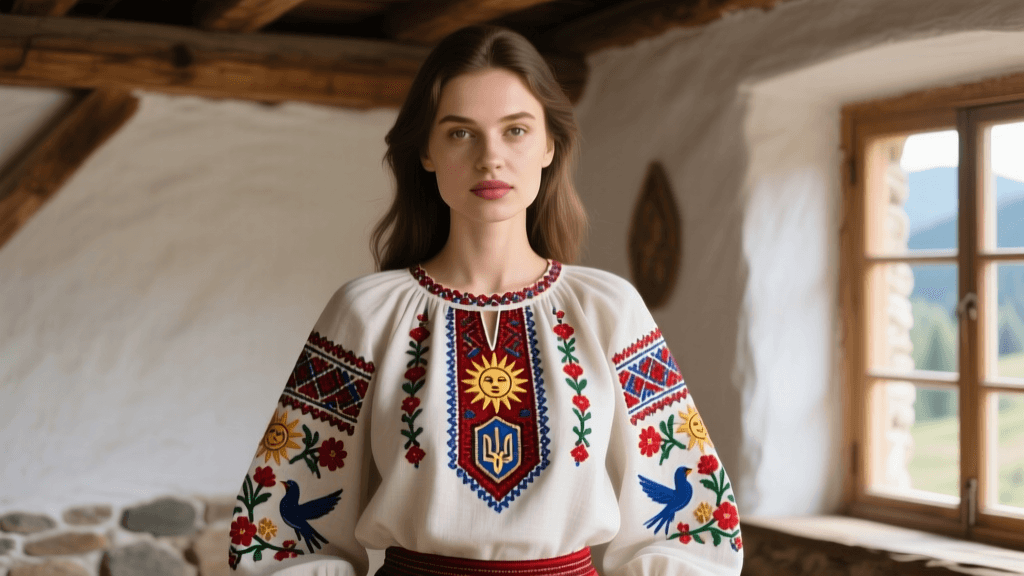
The global appreciation for Slavic and Balkan folk dress has reached a pivotal moment in 2026. No longer confined to museum archives, diaspora gatherings, or annual heritage festivals, Eastern European traditional garments are being embraced by a global audience seeking sartorial meaning, sustainable craftsmanship, and deep cultural roots. At the absolute forefront of this movement is the Ukrainian vyshyvanka—the iconic embroidered shirt that serves as a profound symbol of resilience, identity, and ancestral artistry. As contemporary fashion pivots away from transient micro-trends toward garments with historical weight and artisanal integrity, understanding how to source, decode, and style an authentic vyshyvanka has never been more relevant.
However, the surging popularity of Eastern European embroidery has also led to a market saturated with mass-produced, culturally disconnected imitations. For the discerning collector or conscious consumer in 2026, distinguishing between genuine heritage craftsmanship and factory-made kitsch requires a nuanced understanding of regional techniques, historical construction, and ethical sourcing. This comprehensive guide will navigate the intricate world of the vyshyvanka, providing actionable insights for acquiring a true masterpiece of Eastern European textile art.
The Anatomy of an Authentic Sorochka
To understand the vyshyvanka, one must first understand its foundation: the sorochka (the traditional linen or hemp shirt). Historically, the shirt was not merely a piece of clothing but a talisman. The embroidery was strategically placed at the 'vulnerable' points of the body—the neckline, the cuffs, the hem, and the shoulder seams—to create a protective barrier against malevolent forces.
Heritage Fibers and Looming
In 2026, the most sought-after authentic pieces are woven on traditional wooden looms using heritage fibers. While commercial cotton is prevalent in cheaper modern reproductions, master artisans are leading a revival of organic flax (linen) and heritage hemp. Hand-loomed linen possesses a distinctive slubbed texture and a natural, earthy luster that machine-milled fabrics simply cannot replicate. When sourcing a piece, look for the slight irregularities in the weave; these are the hallmarks of human hands and traditional shuttle looms.
The Cut and Construction
Authentic traditional cuts avoid the tailored darts and curved seams of modern Western dress. Instead, they rely on geometric, rectangular panels. Key structural elements include the ustavka (a rectangular shoulder piece that connects the front and back of the shirt), the polyk (underarm gussets that provide mobility), and the chysnyk (the collar or neckline band). The seams are often joined using intricate decorative stitching, such as the zavolikannya (a drawn-thread hemstitch), which is as functional as it is beautiful.
Decoding Regional Patterns: A Visual Lexicon
Ukrainian embroidery is not a monolith; it is a highly localized language. A motif from the Carpathian Mountains carries entirely different symbolism and aesthetic weight than one from the central steppes. Understanding these regional distinctions is critical for any serious collector in 2026.
| Region | Primary Colors | Key Motifs & Techniques | Cultural Meaning |
|---|---|---|---|
| Poltava | White-on-white, pale grey, soft black | Geometric stars, delicate cutwork, satin stitch | Purity, spiritual protection, refined elegance |
| Hutsul (Carpathians) | Vibrant red, black, yellow, green | Complex geometry, sun symbols, cross-stitch | Energy, mountain life, cosmic balance, fire |
| Bukovyna | Black, red, metallic threads | Heavy floral, beadwork, sequins, coins | Prosperity, fertility, deep earth connection |
| Volyn | Red and black on white linen | Strict geometric bands, stylized hops and vines | Family continuity, agricultural abundance |
The Poltava White-on-White Mastery
The Poltava region is famous for its breathtaking white-on-white embroidery (bila po bilomu). This technique relies on texture rather than color contrast, utilizing up to a hundred different stitch variations to create shadows and depth. In 2026, finding artisans who have mastered the lyshva (a complex hemstitch and cutwork technique) is a priority for high-end textile collectors. According to archival research supported by institutions like The Ukrainian Museum, the white-on-white tradition was historically reserved for ceremonial and wedding garments, symbolizing spiritual purity and divine light.
Hutsul Geometry and Cosmic Symbols
In the Carpathian highlands, the Hutsul people developed a vibrant, heavily geometric style. The dominant motif is the ruzha (an eight-pointed star or rhombus), representing the sun, fire, and the eternal cycle of life. The dense cross-stitch work often covers the entire shoulder and chest area, creating a rich, tapestry-like effect that was believed to offer maximum protection to the wearer traversing the rugged mountain terrain.
2026 Sourcing Guide: Navigating the Market
As the demand for Eastern European folk dress grows, so does the proliferation of 'sharovarshchyna'—a Ukrainian term for superficial, kitschy, and culturally inaccurate representations of folk art. To ensure you are investing in authentic heritage pieces in 2026, you must apply strict sourcing criteria.
The Reverse-Side Test
The ultimate hallmark of hand-embroidered authenticity is the reverse side of the fabric. Master artisans are trained to execute their stitches so cleanly that the back of the embroidery is nearly as neat and legible as the front. If the reverse side is a chaotic mess of loose threads, knots, and floating yarns, or if you see the uniform, perfectly locked loops of a computerized multi-head embroidery machine, you are looking at a mass-produced factory item. True handwork, documented by textile historians at the Victoria and Albert Museum, values the integrity of the entire textile structure, not just the visible surface.
Where to Buy Authentic Pieces
In 2026, the best avenues for sourcing authentic vyshyvankas bypass commercial marketplaces and connect directly with artisan guilds and heritage cooperatives. Organizations affiliated with the Ivan Honchar Museum (National Centre of Folk Culture) often maintain directories of verified master artisans. Additionally, specialized platforms like Folkraine and curated diaspora boutiques offer direct-to-consumer models that ensure fair compensation for the weavers and embroiderers.
Current Pricing Expectations
Authenticity commands a premium. As of 2026, a genuine, hand-loomed linen shirt with basic hand-embroidered cuffs and collar will start around $250 to $350. A fully embroidered ceremonial piece from a master artisan in the Hutsul or Poltava regions, requiring hundreds of hours of meticulous hand-stitching, typically ranges from $800 to $2,500. Pieces featuring antique techniques, such as authentic gold-thread couching or vintage glass beadwork from Bukovyna, can easily exceed $3,500 on the collector's market.
Styling the Vyshyvanka in 2026
Integrating a traditional Eastern European garment into a modern 2026 wardrobe requires a balance of respect and contemporary styling. The goal is to highlight the artisanal beauty of the piece without reducing it to a costume.
- The Minimalist Contrast: Pair a heavily embroidered, voluminous Hutsul blouse with sleek, tailored wide-leg trousers in charcoal wool or black crepe. The sharp, modern tailoring grounds the folk piece, allowing the embroidery to act as the focal point.
- Monochromatic Elegance: A Poltava white-on-white shirt looks exceptionally striking when paired with a modern, unbleached linen midi-skirt or structured ecru denim. This tonal approach emphasizes the textural depth of the cutwork.
- Layering for Transitional Weather: Use the vyshyvanka as a layering piece beneath a structured, collarless blazer or a lightweight, oversized cashmere cardigan. Allow the embroidered cuffs and the intricate neckline to peek out, adding a subtle touch of heritage to professional or smart-casual attire.
- Accessorizing with Intent: Avoid pairing the shirt with other loud, ethnic-patterned accessories. Instead, opt for minimalist, handcrafted leather goods, simple wrought-iron or silver jewelry, and modern, architectural footwear.
Archival Care and Preservation
An authentic, hand-loomed vyshyvanka is an investment in wearable art. Proper care is essential to preserve the structural integrity of the natural fibers and the vibrancy of the hand-dyed threads.
- Washing: Never machine wash or dry clean an authentic piece. Hand wash in cool water using a pH-neutral, conservation-grade detergent. Avoid wringing or twisting the fabric; instead, gently press the water out and roll the garment in a clean, dry towel to absorb excess moisture.
- Drying and Ironing: Lay the garment flat to dry away from direct sunlight, which can degrade natural dyes and weaken linen fibers over time. Iron while the garment is still slightly damp, using a medium-hot setting, and always iron on the reverse side over a padded surface to prevent crushing the three-dimensional embroidery stitches.
- Storage: Store your vyshyvanka flat or loosely rolled in acid-free archival tissue paper. Avoid wire hangers, which can distort the shoulder seams and stretch the delicate hand-loomed fabric. Keep the garment in a cool, dark, and well-ventilated environment to prevent mildew and fiber degradation.
Conclusion
The vyshyvanka is far more than a garment; it is a woven archive of Eastern European history, philosophy, and artistic brilliance. As we move through 2026, the conscious acquisition of these pieces serves not only to elevate personal style but to actively participate in the preservation of endangered textile traditions. By understanding the regional dialects of embroidery, demanding structural authenticity, and styling these pieces with modern reverence, you ensure that the legacy of the Slavic and Balkan artisan continues to thrive in the contemporary world.