Bavarian Tracht For Schuhplattler Dance Festivals 2026 Guide
The Intersection of Bavarian Tracht and Folk Dance
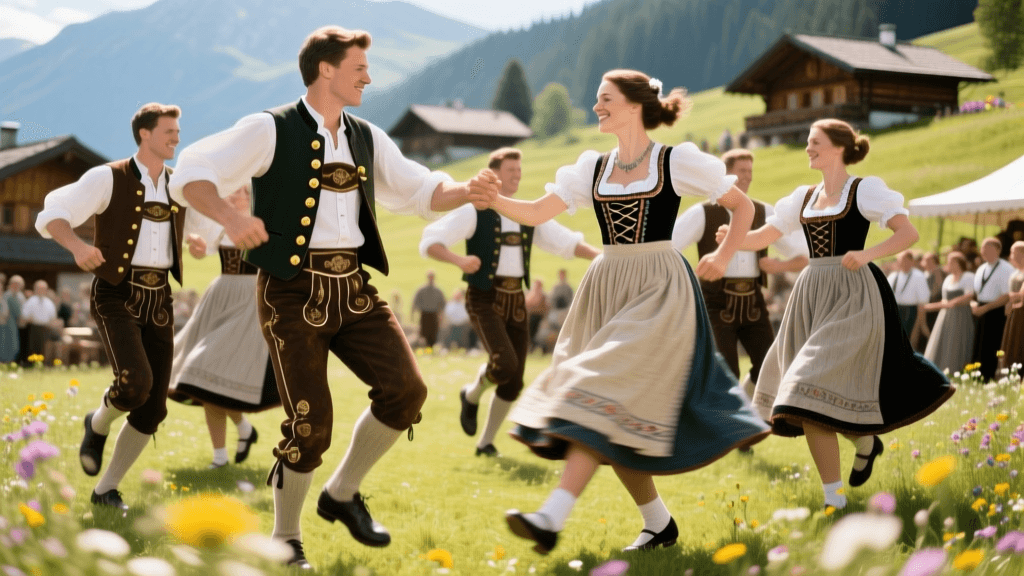
When attending European folk festivals in 2026, particularly in the Alpine regions of Bavaria and Austria, the line between spectator and participant often blurs. The Schuhplattler, a traditional Alpine folk dance characterized by rhythmic stomping, clapping, and the vigorous slapping of thighs, knees, and shoes, is a cornerstone of regional cultural identity. However, performing or even attending these highly energetic folk dance festivals requires more than just a superficial costume; it demands authentic, structurally sound traditional garments known as Tracht. According to the Bayerischer Trachtenverband (Bavarian Tracht Association), the preservation of these garments is intrinsically linked to the preservation of the folk dances themselves. A fashion dirndl or a mass-produced tourist lederhosen will simply tear, slip, or restrict movement during the rigorous demands of the Plattler dance.
As we navigate the 2026 festival season, from the spring Maibaumaufstellen (Maypole festivals) to the autumn Gaufeste and the world-renowned Oktoberfest, understanding the functional anatomy of Bavarian Tracht is essential. Whether you are an active member of a Trachtenverein (traditional folk club) or a cultural enthusiast attending the Oide Wiesn (Old Oktoberfest) tents, this guide breaks down the specific construction, materials, and etiquette required for folk dance festivals in 2026.
Dirndl Construction for the Active Dancer
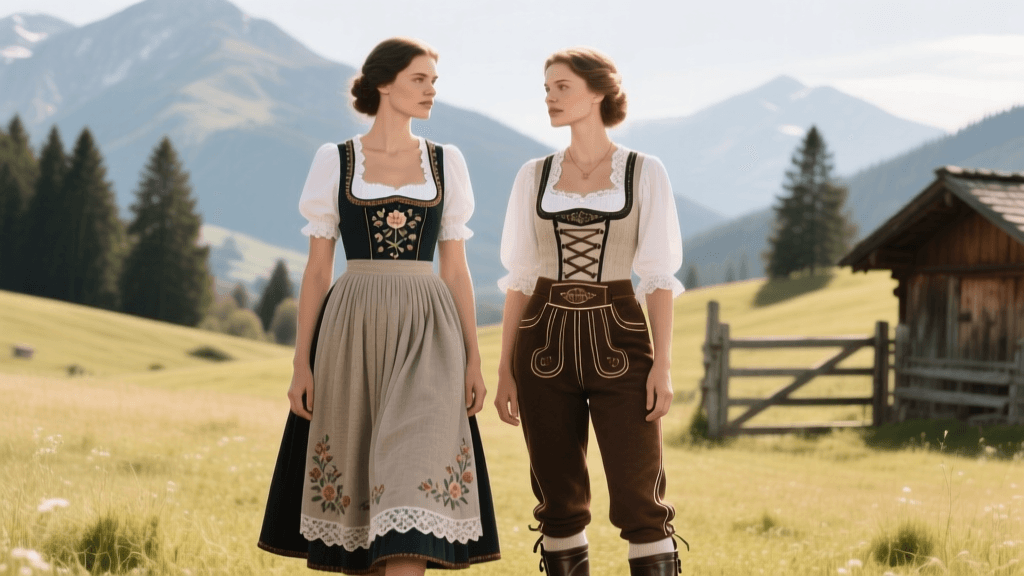
The Dirndl is a highly engineered garment consisting of four distinct parts: the Mieder (bodice), Bluse (blouse), Rock (skirt), and Schürze (apron). For folk dance, the construction of the skirt and bodice must accommodate extreme centrifugal force and rapid directional changes.
The Skirt (Rock) and the Perfect Bell Shape
In competitive and exhibition Schuhplattler dancing, the female dancers perform the Drehen, a rapid spinning movement where the skirt must flare out into a perfect, horizontal bell shape. To achieve this in 2026, authentic dance dirndls require a minimum skirt circumference of 3.5 to 4.5 meters. Tourist costumes typically offer a meager 1.5 meters, which results in the skirt wrapping around the dancer's legs and causing tripping hazards. Furthermore, authentic dance skirts feature a weighted hem, often utilizing a sewn-in Bleiband (lead-free weighting tape) or dense horsehair braid, which uses centrifugal force to keep the fabric extended during high-speed spins. The pleating is equally vital; deep cartridge pleats or box pleats (Kellerfalten) are hand-pressed to ensure uniform volume distribution.
The Bodice (Mieder) and Blouse
The Mieder must provide significant back and core support. While fashion dirndls rely on flimsy fabric ties, a proper dance bodice features internal structural boning and is fastened with heavy-duty metal hooks or robust front lacing. This prevents the bodice from shifting during leaps and partner swings. The accompanying blouse is traditionally made of breathable, high-thread-count Alpine linen or crisp cotton, featuring puffed sleeves that allow for unrestricted arm elevation—a strict requirement for the overhead hand-clapping sequences inherent to the dance.
The Apron (Schürze) and the Bow Code
The apron must be tied securely using the traditional Dirndl-Schleife (bow code). A bow tied on the left signifies the wearer is single and potentially open to a dance partner; on the right, she is married or taken; in the center, she is a virgin (though this is less commonly enforced today); and on the back, she is widowed or working as a waitress. For dancers, the apron is often pinned discreetly at the side seams to prevent it from flying up and obscuring the skirt's silhouette during spins.
Lederhosen: The Dancer's Second Skin
For men, the Lederhosen is the ultimate test of functional traditional wear. The Schuhplattler involves the male dancer repeatedly striking his thighs, knees, and shoes with flat palms. This requires leather that is exceptionally soft, supple, and resilient.
Sämischleder: The Only Authentic Choice
Authentic dance Lederhosen are crafted exclusively from Sämischleder, a traditional brain-tanned and oil-cured deerskin or chamois leather. Unlike modern chrome-tanned leathers that become stiff and crack when exposed to sweat and repeated impact, Sämischleder is washed in cod liver oil and natural fats, making it incredibly soft, breathable, and entirely washable. In 2026, traceable, sustainably sourced deerskin from regional Bavarian forests is the industry standard for premium heritage brands like Meindl and Krüger. A high-quality pair of Plattlerhosen (specifically cut for dancing) will cost between €850 and €1,500, reflecting the hundreds of hours of hand-stitching and traditional tanning required.
The Cut: Bundhosen vs. Kurze
Dancers typically prefer the Kurze (short Lederhosen ending above the knee) or the Bundhosen (knee-length trousers). The cut around the thigh must be slightly wider than standard fashion cuts to allow for the deep squats and high kicks required during the Watscheln (the stomping dance steps). The Hosentürl (the iconic front drop-flap) is secured with sturdy Hirschhorn (antler) buttons, ensuring it remains firmly in place during vigorous movement.
Suspenders (Hosenträger)
Leather belts are strictly forbidden in traditional folk dance, as they restrict diaphragmatic breathing and interfere with the thigh-slapping movements. Instead, Lederhosen are worn with embroidered leather suspenders featuring a cross-piece (Quersteg). The cross-piece is often intricately embroidered with regional motifs, such as edelweiss or oak leaves, and serves to keep the trousers perfectly positioned on the waist without digging into the shoulders.
Footwear and Accessories for the Schuhplattler
Footwear in Alpine folk dance is subjected to immense percussive force. Men wear Haferlschuhe, a traditional alpine shoe characterized by a sturdy, nailed leather sole, a slightly raised heel for stamping, and a unique side-lacing system that provides ankle support without restricting the flex of the foot. The side lacing prevents the laces from coming undone when the dancer strikes the top of the shoe with his hands. Women wear traditional Dirndl shoes, which feature a low, wide block heel and ankle straps. High heels or pumps are entirely inappropriate and dangerous on the festival dance floors, as they offer no stability for the rapid pivoting required.
Accessories complete the ensemble. Men often wear a Tirolerhut (Tyrolean hat) adorned with a Gamsbart, a tuft of hair from the chamois antelope. During the dance, the hat must remain securely on the head, often requiring a subtle chin strap or a perfectly sized crown. Women may wear a silk or lace headpiece (Haube) depending on the specific regional Trachtenordnung (dress code) of their local club.
2026 Buyer's Guide: Authentic Tracht vs. Tourist Costumes
Navigating the market in 2026 requires a discerning eye. The Oktoberfest official portal frequently issues guidelines urging visitors to invest in quality garments that respect the cultural heritage of the festival, rather than purchasing disposable synthetic costumes. Below is a comparison to help you identify true dance-ready Tracht.
| Feature | Tourist 'Costume' (€50 - €150) | Authentic Dance Tracht (€600 - €2,000+) |
|---|---|---|
| Skirt Circumference | 1.2 to 1.8 meters (restricts movement) | 3.5 to 4.5 meters (perfect bell flare) |
| Leather Type | Chrome-tanned cowhide or PU synthetic | Sämischleder (brain-tanned deerskin) |
| Bodice Structure | Unlined, flimsy fabric ties | Boned, lined, heavy metal hooks/lacing |
| Embroidery | Machine-printed or glued synthetic thread | Hand-stitched silk or linen thread (Säcklerstickerei) |
| Dance Suitability | High risk of tearing and tripping | Engineered for percussive impact and spinning |
For those looking to purchase authentic pieces in 2026, heritage boutiques in Munich such as Angermaier, Lodenfrey, and the flagship Meindl stores offer bespoke measurement services. Many of these establishments now utilize 3D digital scanning alongside traditional tape measurements to ensure a perfect fit for international buyers ordering custom Plattlerhosen or competition Dirndls.
Festival Etiquette and Dance Floor Rules
Attending a folk dance festival, particularly those hosted by the regional Trachtenvereine, requires strict adherence to cultural etiquette. The Bavarian Tourism Board emphasizes that these events are not mere performances for tourists, but living cultural rituals practiced by local communities. When visiting the Oide Wiesn or regional Gaufeste in the Chiemgau or Werdenfelser Land regions, spectators must respect the boundaries of the dance floor.
Never touch a dancer's hat, suspenders, or the intricate embroidery of their Lederhosen without explicit permission, as these items are often priceless family heirlooms passed down through generations. Furthermore, attempting to join a formal Schuhplattler circle without being invited or without wearing the correct regional Tracht is considered highly disrespectful. If you wish to participate, seek out the designated 'open dance' tents or join a beginner's folk dance workshop offered by local cultural centers prior to the festival. By investing in authentic, functional garments and observing the deep-rooted traditions of the Alpine communities, you ensure that the vibrant legacy of European folk dress and dance continues to thrive in 2026 and beyond.