Sardinian Orbace Wool & Heritage Folk Costumes: 2026 Guide
The island of Sardinia has long been a fortress of cultural preservation, shielded by the Mediterranean Sea and its rugged interior terrain. Among its most fiercely protected traditions is the regional folk dress, particularly the intricate and deeply symbolic costumes of the Nuoro and Orgosolo provinces. As we navigate the cultural landscape of 2026, there has been a remarkable renaissance in the appreciation, production, and daily revival of these garments. No longer relegated solely to museum displays or annual festival parades, traditional Sardinian attire is experiencing a surge in demand from both local youth and international textile collectors. At the very heart of this sartorial revival is orbace, a coarse, water-resistant sheep's wool that has clothed Sardinian shepherds and nobility alike for centuries. This comprehensive guide explores the anatomy of the Nuoro folk costume, the meticulous creation of orbace wool, and how to ethically source authentic pieces from heritage brands and artisanal cooperatives in 2026.
The Anatomy of the Nuoro Folk Costume
To understand the value of Sardinian heritage garments, one must first dissect the components of the traditional Nuoro costume, which remains one of the most recognizable and meticulously crafted ensembles on the island. For men, the foundational piece is the gabbanu, a heavy, hooded cloak woven from dark orbace wool. The gabbanu was historically designed to withstand the harsh, freezing winds of the Gennargentu mountains while serving as a blanket during long nights spent tending flocks. Beneath the cloak, men wear a berritta, a long, tubular black cap that is folded back on itself, paired with a linen shirt, a velvet waistcoat (sas pedderas), and intricately pleated linen skirts or wide trousers tucked into leather gaiters (cartzas).
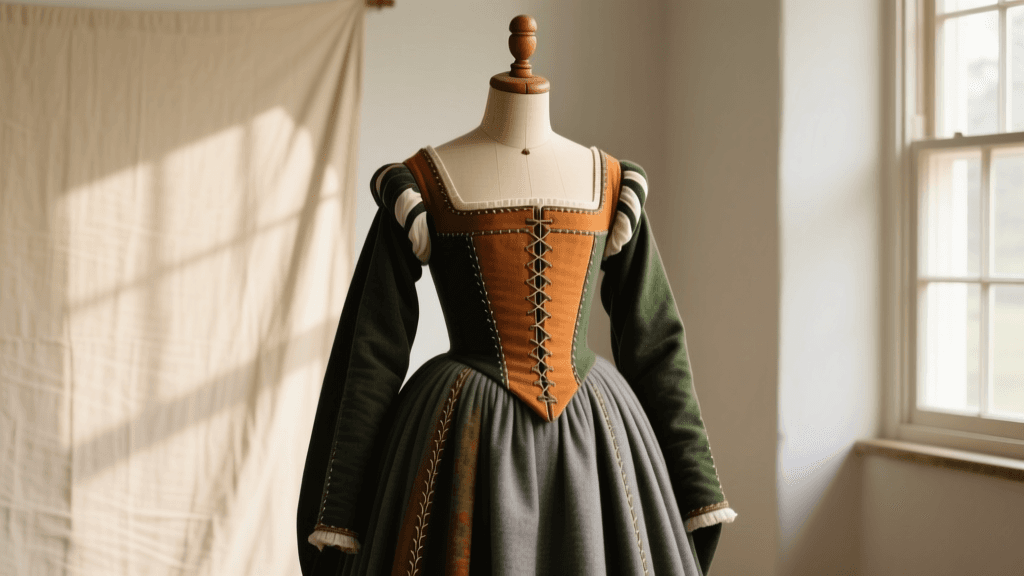
The women's costume of Nuoro is equally complex, characterized by its vivid colors and elaborate embroidery. The ensemble typically features a carpita, a heavily pleated skirt made of dark orbace or fine wool, bordered with vibrant silk ribbons. Over a delicate linen blouse, women wear the corittu, a tailored, short-sleeved bodice made of velvet or brocade, heavily embroidered with gold and silver thread in floral and geometric motifs. The headpiece, known as the lianzolu, is a finely woven veil or scarf that signifies the wearer's marital status and specific village of origin. According to the ISRE Museo del Costume, the variations in embroidery and color palettes can pinpoint a wearer's exact hometown, making these garments a highly localized visual language.
Orbace Wool: The Heartbeat of Sardinian Textiles
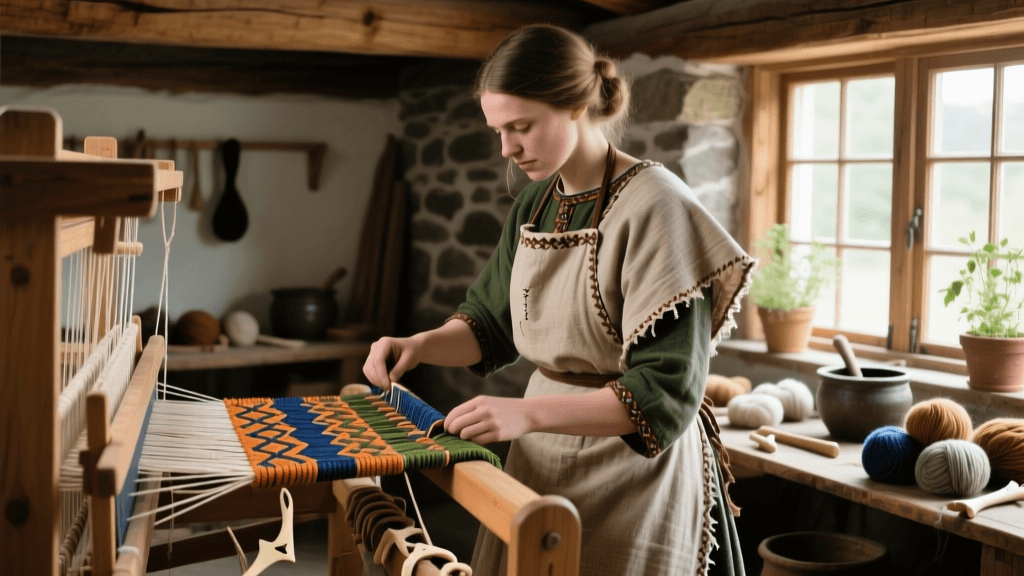
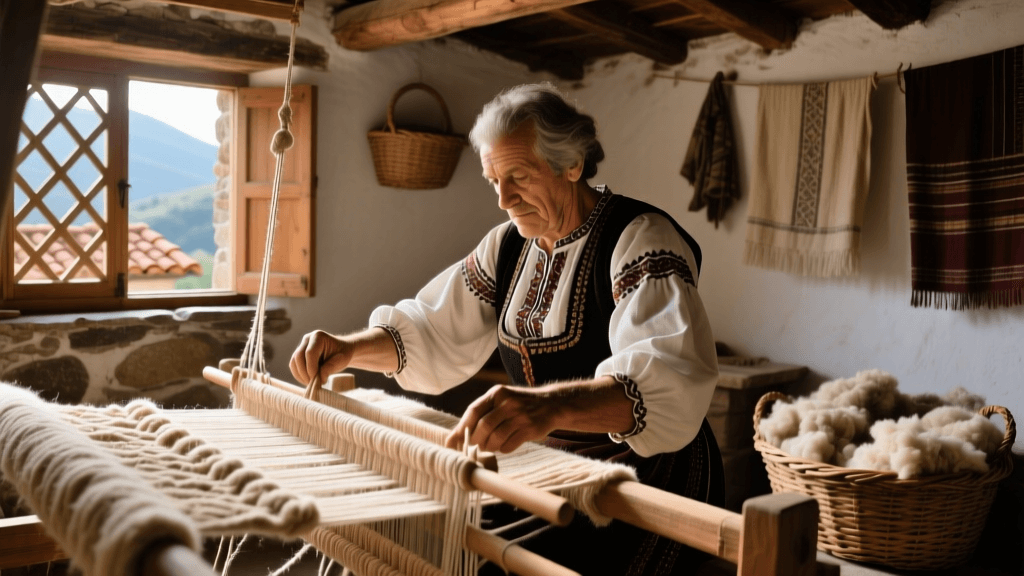
You cannot discuss Sardinian folk dress without delving into orbace (or orbaxi). This traditional textile is spun from the wool of native Sardinian sheep breeds. The wool is notably coarse, highly durable, and possesses natural lanolin properties that make it exceptionally water-resistant. In 2026, the production of authentic orbace remains a labor-intensive process, largely untouched by fast-fashion industrialization. The raw wool is sheared, washed in natural spring water, carded by hand, and spun on traditional wooden spindles before being woven on pedal looms (telaio a pedali).
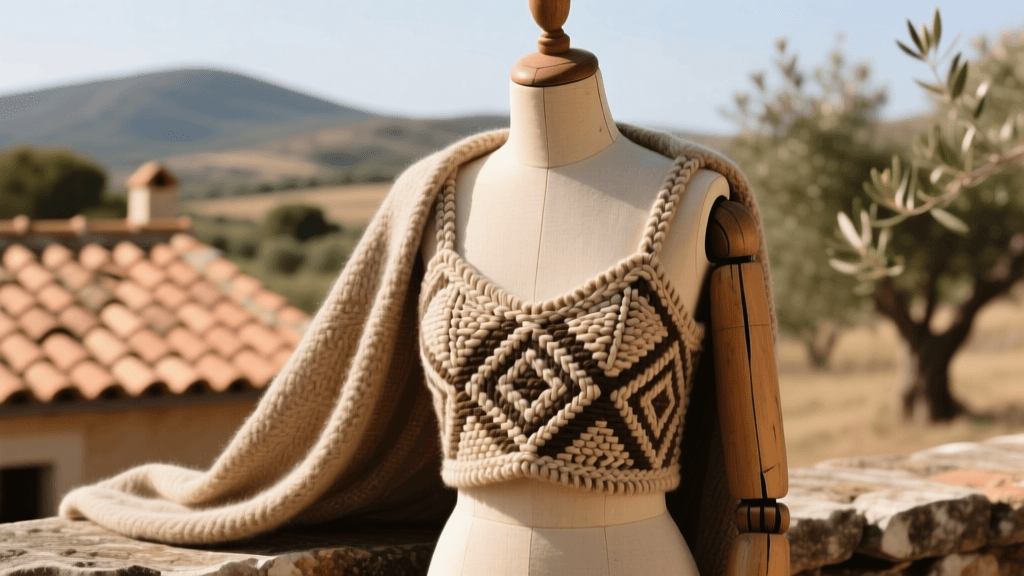
The resulting fabric has a distinct, nubby texture that softens beautifully over decades of wear. While historically associated with the working class and shepherds, contemporary heritage brands have elevated orbace into the realm of luxury artisanal fashion. Designers and master weavers in towns like Samugheo and Nuoro are now blending traditional orbace with modern tailoring techniques, creating structured jackets and capes that appeal to a global audience seeking sustainable, slow-fashion alternatives.
Natural Dyes and 2026 Artisanal Innovations
A defining characteristic of premium Sardinian textiles is the use of natural, botanically derived dyes. In 2026, eco-conscious consumers have driven a massive resurgence in these ancient dyeing techniques. Master dyers utilize walnut husks (mallu de nuche) to achieve deep, rich browns and blacks, which are traditionally used for the men's gabbanu and women's carpita. For the vibrant accents found in women's embroidery and bodices, artisans rely on saffron for brilliant yellows, madder root (rubia tinctorum) for deep reds, and woad for indigo blues.
The commitment to natural dyes not only ensures that the garments are environmentally sustainable but also guarantees that the colors age gracefully, developing a unique patina that synthetic dyes simply cannot replicate. The Sardegna Cultura portal frequently highlights regional workshops where visitors can observe these dyeing processes firsthand, emphasizing the island's dedication to preserving intangible cultural heritage.
Sourcing Authentic Pieces: Heritage Brands and Cooperatives
For collectors, cultural enthusiasts, and those looking to invest in authentic European folk dress, navigating the market requires an understanding of the different tiers of production. In 2026, buyers can source garments through bespoke tailors, weaving cooperatives, and modern heritage revival brands. Below is a comparative breakdown of the current market landscape for Sardinian orbace garments.
| Source Type | Notable Hubs / Brands | Product Focus | 2026 Price Range (EUR) | Lead Time |
|---|---|---|---|---|
| Bespoke Artisans | Nuoro & Orgosolo Tailors | Full traditional ensembles, custom gabbanu | €1,200 - €3,500+ | 4 - 8 Months |
| Weaving Cooperatives | Samugheo Co-ops, ISRE Artisans | Raw orbace yardage, woven blankets, shawls | €150 - €600 | 2 - 4 Weeks |
| Heritage Revival Brands | Contemporary Sardinian Labels | Modernized orbace coats, capes, accessories | €450 - €1,100 | In-Stock / 4 Weeks |
| Vintage / Antique Markets | Cagliari Antiquarians | Early 20th-century authenticated pieces | €800 - €5,000+ | Immediate |
When purchasing from cooperatives, you are often buying directly from the women who weave the cloth on traditional looms, ensuring that your investment directly supports the local micro-economy. For those seeking a complete, historically accurate Nuoro costume, commissioning a bespoke artisan is the only viable route, as the intricate embroidery of the corittu requires hundreds of hours of hand-stitching. For a broader historical context on these regional variations, the Traditional Costumes of Sardinia archive provides excellent visual references to verify the authenticity of vintage pieces before purchase.
A Buyer's Guide: Measurements and Bespoke Commissions
Commissioning a bespoke orbace garment remotely in 2026 is a streamlined process, provided you supply master tailors with precise measurements. Unlike modern suit tailoring, traditional Sardinian cloaks and bodices require specific anthropometric data to ensure the correct drape and historical silhouette.
For a men's gabbanu, artisans will require:
- Chest Circumference: Measured at the fullest part, over a light sweater to account for layering.
- Shoulder Slope: From the base of the neck to the edge of the shoulder, crucial for the hood's alignment.
- Nape to Calf: The gabbanu traditionally falls just below the knee or mid-calf; exact length dictates the garment's weight and wool requirement.
- Arm Length: Measured with a slight bend at the elbow, as the sleeves are cut wide to accommodate thick underlying layers.
For women commissioning a corittu (bodice), the measurements are far more rigorous, requiring bust, underbust, waist, and precise shoulder-to-waist drops to ensure the velvet sits flush against the linen blouse without restricting movement during traditional dances like the ballu tundu. Expect to pay a 30% to 50% deposit upfront, with the remainder due upon completion and photographic proof of the finished embroidery.
Caring for Heritage Orbace Garments
Investing in authentic orbace wool requires a commitment to specialized garment care. The natural lanolin in the wool acts as a barrier against dirt and moisture, meaning these garments rarely need traditional washing. In fact, submerging a hand-woven gabbanu in water and modern detergents can strip the lanolin, causing the coarse fibers to shrink, felt, and lose their water-resistant properties.
To maintain your Sardinian heritage pieces in 2026, follow these strict care protocols:
- Airing and Brushing: After wear, hang the garment outside in a shaded, well-ventilated area to allow odors to dissipate. Use a natural boar-bristle brush to gently sweep away dust and surface dirt, always brushing in the direction of the weave.
- Spot Cleaning: For minor stains, use a damp cloth with a tiny amount of pH-neutral wool soap. Dab gently; never rub, as friction will cause the wool to felt.
- Moth Prevention: Orbace is highly susceptible to clothing moths. Store garments in breathable cotton canvas bags—never plastic, which traps moisture and encourages mildew. Line your storage cedar chest with fresh cedar blocks and dried lavender sachets, replacing them every six months to maintain their efficacy.
- Professional Restoration: If the garment requires deep cleaning or structural repair, seek out a dry cleaner who specializes in historical textiles or heritage wools, explicitly informing them of the hand-woven nature of the orbace.
Conclusion: Wearing History in the Modern Era
The resurgence of Sardinian folk dress in 2026 is more than a fleeting fashion trend; it is a profound act of cultural defiance and preservation. By investing in authentic orbace wool garments and supporting the master weavers and tailors of Nuoro, Orgosolo, and Samugheo, collectors and enthusiasts play a direct role in keeping ancient Mediterranean textile traditions alive. Whether you are commissioning a bespoke gabbanu for its unparalleled weather resistance, or acquiring a vibrantly embroidered corittu as a wearable piece of art, Sardinian heritage garments offer a tangible connection to a rich, enduring European legacy. As you build your collection, prioritize transparency, artisanal cooperatives, and a deep respect for the historical silhouettes that have defined this magnificent island for centuries.