Authentic Alpine Tracht 2026: Bavarian vs Austrian Dirndls
The 2026 Renaissance of Authentic Alpine Tracht
As we navigate the 2026 European festival season, the appreciation for echte Tracht (authentic folk dress) has reached unprecedented heights. Moving far beyond the mass-produced, fast-fashion costumes sold in tourist shops, modern enthusiasts and cultural preservationists are returning to the meticulously crafted, regionally specific garments of the Alps. Whether you are preparing for the Oktoberfest in Munich, the Almabtrieb in Tyrol, or the Narzissenfest in the Salzkammergut, understanding the profound distinctions between Bavarian and Austrian traditional dress is essential.
The revival of heritage textiles in 2026 is driven by a demand for sustainability and historical accuracy. According to the Bayerischer Trachtenverband, there has been a 40% increase in young adults joining local Trachtenvereine (folk dress associations) over the last three years, seeking to preserve the intricate embroidery, natural leather tanning, and silk weaving techniques that define their regional identities. This guide will break down the specific variations of Alpine Tracht by country and district, providing you with actionable advice on sourcing, commissioning, and wearing these garments today.
Bavarian Tracht (Bayerische Tracht): District Variations
Bavaria is not a monolith when it comes to folk dress; the state is divided into several distinct Tracht regions, each with strict guidelines regarding colors, fabrics, and accessories. The most famous and widely respected is the Miesbacher Tracht, often considered the "royal" standard of Bavarian dress.
The Miesbacher Dirndl and Lederhosen
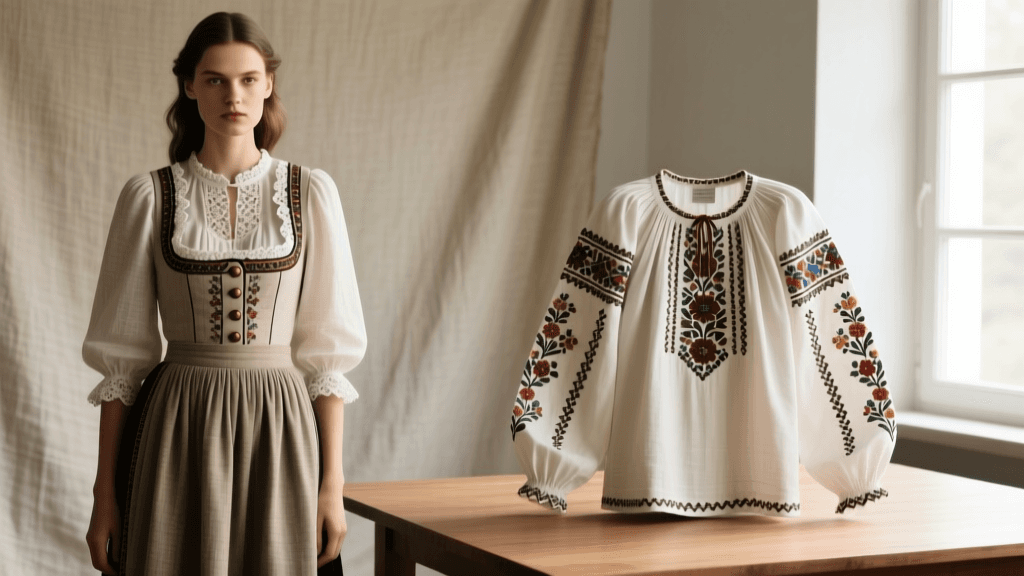
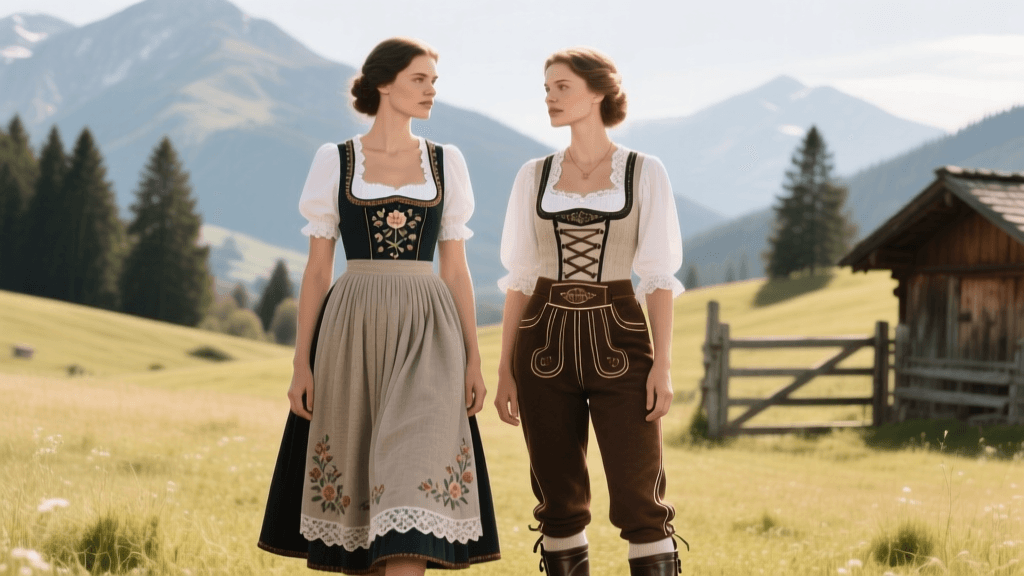
The Miesbacher Dirndl is characterized by its luxurious materials. The bodice (Mieder) is typically crafted from heavy silk brocade or damask, featuring deep, rich colors like forest green, burgundy, or navy. The apron (Schürze) is traditionally made of raw silk or fine linen, often featuring subtle, tone-on-tone floral weaving. For men, the Miesbacher Lederhosen are a masterpiece of the Säckler (leatherworker) craft. They are made from Sämischleder—a supple, smoked deer leather that is naturally tanned using willow bark and fish oil, giving it a distinct yellowish hue and incredible durability.
Another notable variation is the Werdenfelser Tracht from the Garmisch-Partenkirchen region. Here, the Dirndl often features a more prominent use of printed cotton and linen blends, with aprons showcasing vibrant, multi-colored floral prints. The men's Lederhosen in this region are frequently darker, utilizing chamois or ibex leather, and feature the iconic Laubstickerei (leaf embroidery) in muted green and brown threads.
Austrian Elegance: Salzkammergut and Tyrolean Traditions
Crossing the border into Austria, the Alpine Tracht shifts in silhouette, color palette, and historical influence. Austrian folk dress is deeply tied to the imperial hunting traditions of the Habsburgs and the unique micro-climates of the Alpine valleys.
The Ausseer Dirndl (Salzkammergut)
The Ausseer Dirndl is arguably the most iconic and strictly regulated folk dress in Austria. Originating from the lake district of Styria, this garment is defined by its specific tri-color scheme: a pink or peach bodice, a green skirt, and a black or deep purple apron. Unlike the Bavarian Dirndl, which often utilizes a front-lacing bodice with a decorative insert (Brusteinsatz), the Ausseer Dirndl typically features a more streamlined, side-zipped or back-laced bodice made from printed cotton or light silk. The Salzburg Museum notes that the Ausseer Tracht was historically worn by the local salt miners and their families, with the vibrant colors serving as a visual rebellion against the drab, monochromatic workwear of the mines.
Tyrolean Tracht (Tiroler Tracht)
In the rugged terrain of Tyrol, the folk dress is designed for warmth and resilience. The Tiroler Dirndl frequently incorporates heavier wools, velvet bodices, and intricate metallic thread embroidery (Goldstickerei). The skirts are often pleated wool, providing excellent insulation during the harsh Alpine winters. For men, the Tyrolean Lederhosen are distinctively longer, often reaching below the knee (Kniebundhose), and are paired with thick, hand-knit wool stockings and heavily embroidered suspenders (Hosenträger). The Tiroler Volkskunstmuseum preserves thousands of examples of Tyrolean embroidery, highlighting the regional obsession with motifs like the Edelweiss, the Alpine rose, and the stag.
Comparative Guide: Regional Tracht Features
To help you identify and select the right garment for your specific cultural event or collection, refer to the comparison table below detailing the core differences between major Alpine regions in 2026.
| Feature | Bavarian (Miesbach) | Austrian (Aussee) | Austrian (Tyrol) |
|---|---|---|---|
| Primary Bodice Fabric | Silk Brocade / Damask | Printed Cotton / Light Silk | Heavy Wool / Velvet |
| Apron Tradition | Raw Silk, Tone-on-Tone | Black or Deep Purple Silk | Linen or Wool, Often Woven |
| Men's Leather Type | Smoked Deer (Sämischleder) | Chamois or Goat Leather | Ibex or Heavy Deer Leather |
| Signature Embroidery | Floral & Vine (Plattstickerei) | Minimalist, Focus on Print | Edelweiss & Metallic Thread |
| Avg. 2026 Custom Price (Dirndl) | €1,800 - €2,800 | €1,200 - €1,900 | €1,500 - €2,400 |
Sourcing and Commissioning Bespoke Tracht in 2026
If you are looking to invest in authentic, heirloom-quality Tracht, buying off-the-rack is rarely an option for true regional accuracy. In 2026, the lead time for commissioning a bespoke Dirndl or Lederhosen from a master artisan (Trachten-Schneiderei) is typically between 6 to 9 months. This is due to the global shortage of high-quality European silk and the meticulous hand-stitching required for the bodices.
Measurements and Fittings
When commissioning a Dirndl, be prepared for a fitting process that differs vastly from modern dressmaking. A traditional Mieder is designed to act as a corset, providing significant bust support and waist cinching without the need for modern undergarments. You will need to provide your Oberweite (bust), Taille (natural waist, measured above the navel), and Rückenlänge (back length). Artisans will typically require at least two in-person fittings to ensure the silk brocade lays perfectly flat against the ribs without buckling.
Sourcing Authentic Lederhosen
For Lederhosen, seek out a certified Säckler. The hallmark of a genuine, hand-stitched Bavarian Lederhosen is the Säcklernaht—a raised, whip-stitched seam that binds the leather panels together. This stitch is done entirely by hand using waxed linen thread and takes dozens of hours to complete. Expect to pay between €1,200 and €1,800 for bespoke Sämischleder Lederhosen in 2026, with the leather alone requiring three months of traditional smoking and tanning before the cutting process even begins.
Styling, Accessories, and Modern Etiquette
Wearing Alpine Tracht requires an understanding of its accompanying accessories and the unwritten rules of festival etiquette. The most famous of these is the placement of the Dirndl apron bow (Schleife).
- Bow on the Left: The wearer is single and open to conversation.
- Bow on the Right: The wearer is married, engaged, or in a committed relationship.
- Bow in the Center (Front): Historically signified virginity, though in 2026 this is largely considered outdated and is rarely used outside of highly specific, conservative youth groups.
- Bow in the Center (Back): The wearer is widowed, or working as a server/maid at the festival.
Essential Accessories
No Dirndl is complete without a Kropfband (a velvet choker necklace featuring a central cameo or silver coin) and a Dirndltasche (a small, structured handbag that matches the apron fabric). For men, the Charivari is a mandatory accessory. This silver chain, draped across the front of the Lederhosen, is adorned with hunting trophies such as stag teeth, badger claws, and silver coins. In 2026, ethical sourcing of these trophies is paramount, and many modern Charivaris feature cast-silver replicas of animal parts or ethically shed antlers to align with contemporary conservation values.
"Tracht is not a costume you put on to play a role; it is the sartorial expression of your homeland, your family's history, and your respect for the artisans who keep these traditions alive." — Guideline excerpt from the Bayerischer Trachtenverband, 2026.
Whether you are drawn to the silk-draped elegance of the Miesbacher Dirndl or the vibrant, practical cottons of the Aussee region, investing in authentic European folk dress connects you to a living, breathing textile heritage. By prioritizing regional accuracy and supporting master artisans, you ensure that these magnificent garments will survive to inspire generations far beyond 2026.