Authentic Vyshyvanka & Romanian Ie Sourcing Guide 2026
The Cultural Renaissance of Eastern European Embroidery
Eastern European folk dress has transcended regional festivals to become a global symbol of heritage, resilience, and artisanal mastery. As we navigate the textile market in 2026, the demand for authentic Slavic and Balkan garments—specifically the Ukrainian Vyshyvanka and the Romanian Ie—has reached unprecedented heights. Collectors, cultural historians, and fashion enthusiasts are no longer satisfied with mass-produced, factory-stamped imitations. Instead, the 2026 market is defined by a rigorous pursuit of hand-loomed linens, natural botanical dyes, and historically accurate cross-stitch and satin-stitch techniques.
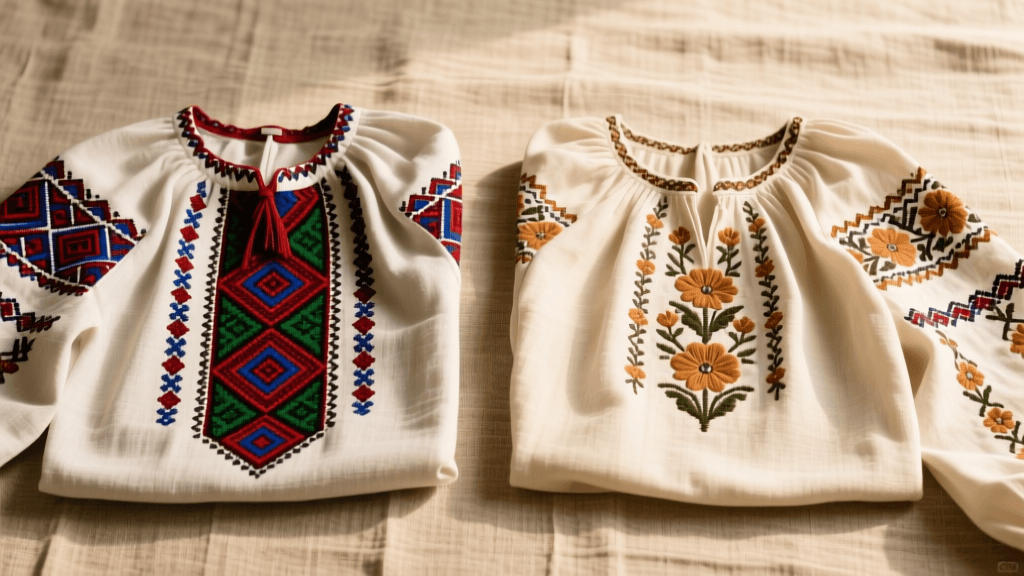
For buyers and cultural preservationists, understanding the nuances of these garments is essential. The embroidery on a traditional blouse is not merely decorative; it is a complex visual language. From the geometric rigor of the Carpathian highlands to the flowing floral vines of the Poltava plains, every stitch carries centuries of agrarian mythology, protective symbolism, and regional identity. This comprehensive guide will help you navigate the 2026 landscape of Eastern European folk dress, ensuring your acquisitions are both culturally respectful and authentically crafted.
Decoding the Motifs: A Regional Comparison
Before sourcing a piece, it is critical to understand the regional dialects of Eastern European embroidery. The placement, color, and geometry of the motifs dictate the garment's origin and its traditional purpose. According to the UNESCO Representative List of the Intangible Cultural Heritage of Humanity, the traditional blouse with shoulder embroidery (the Ie) and the broader traditions of Slavic needlework are recognized as vital cultural practices that require active preservation.
| Region | Garment Name | Dominant Motifs | Traditional Palette | Symbolic Meaning |
|---|---|---|---|---|
| Hutsulshchyna (Ukraine) | Vyshyvanka | Dense geometric stars, rhombuses, zigzags | Black, orange, yellow, green | Solar energy, mountain protection, warding off evil spirits |
| Poltava (Ukraine) | Vyshyvanka | White-on-white cutwork, delicate floral vines | White, pale grey, subtle blue | Purity, spiritual light, connection to the divine |
| Oaș (Romania) | Ie | Tight geometric squares, stylized hooks | Black and red on white linen | Fertility, earth's bounty, ancestral continuity |
| Muscel (Romania) | Ie | Elaborate floral peonies, meandering rivers | Deep red, gold metallic threads | Prosperity, the flow of life, feminine power |
| Bukovina (Cross-border) | Vyshyvanka / Ie | Cross-stitch rosettes, tree of life | Black, cherry red, forest green | Family lineage, agricultural cycles, health |
Material Matters: Sourcing Hand-Loomed Linens in 2026
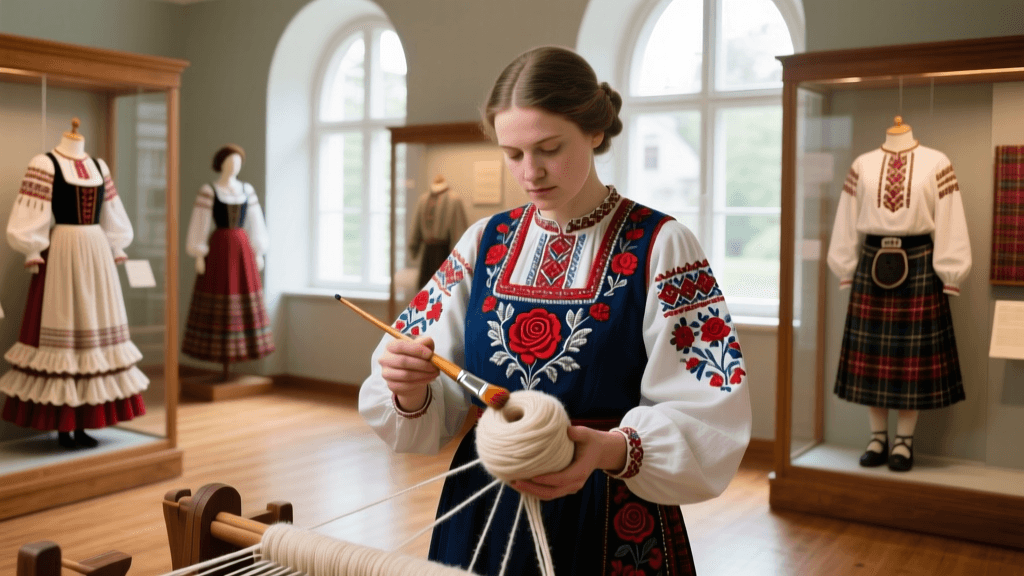
The foundation of any authentic Eastern European folk blouse is the fabric. Historically, women cultivated flax, harvested it, and wove it on wooden looms during the winter months. In 2026, true hand-loomed linen is a rare and highly prized commodity. The resurgence of regenerative agriculture in the Carpathian basin and the Baltic states has led to a new wave of organic flax farming, but the weaving process remains intensely labor-intensive.
When evaluating a garment, pay close attention to the textile's slub (the natural irregularities in the yarn). Factory-produced cotton or synthetic blends will have a uniform, flawless weave. Authentic hand-loomed linen will feature slight variations in thread thickness, giving the fabric a living, breathing texture. Furthermore, the 2026 market has seen a significant shift toward natural mordants and botanical dyes. Artisans are increasingly utilizing walnut husks for deep browns, madder root for reds, and woad for blues, moving away from the harsh, colorfast synthetic threads that dominated the late 20th century.
The Victoria and Albert Museum's textile archives emphasize that the interaction between natural linen fibers and organic dyes creates a patina over time that synthetic materials simply cannot replicate. When sourcing, always request a macro-photograph of the reverse side of the embroidery. In authentic hand-stitched pieces, the back will be nearly as neat as the front, with threads carried over in a specific, logical pattern, whereas machine embroidery will show a chaotic web of bobbin threads and synthetic stabilizers.
The 2026 Buyer’s Guide: Pricing and Authenticity Tiers
Navigating the pricing of Eastern European folk dress requires an understanding of the labor involved. A single, master-crafted Vyshyvanka or Ie can require between 40 to 120 hours of meticulous hand-stitching. In 2026, fair-trade compensation for rural artisans has rightfully driven up the cost of authentic pieces. Here is a breakdown of what to expect in the current market:
1. Mass-Produced / Souvenir Tier ($30 - $80 USD)
- Characteristics: Machine-embroidered on factory-milled cotton or poly-blends. Motifs are often generic, mixing regional styles inaccurately.
- Verdict: Avoid if you are seeking cultural authenticity. These pieces lack the structural integrity and historical accuracy of true folk dress.
2. Artisan Cooperative Tier ($150 - $350 USD)
- Characteristics: Hand-embroidered by skilled artisans, often working within verified cooperatives in Ukraine, Romania, or Moldova. The fabric is usually high-quality, semi-artisanal linen. Motifs are regionally accurate.
- Verdict: The best entry point for serious collectors and those wishing to wear authentic folk dress for cultural events, weddings, or festivals.
3. Master Heritage / Antique Tier ($500 - $2,500+ USD)
- Characteristics: Fully hand-loomed linen, spun and woven by the same artisan who stitches the piece. Uses rare techniques like Poltava white-on-white cutwork (lichman) or intricate Hutsul beadwork. This tier also includes verified antique blouses from the late 19th and early 20th centuries.
- Verdict: Investment-grade cultural artifacts. Sourcing these requires working directly with specialized heritage dealers or established rural matriarchs.
Conservation and Care for Heritage Textiles
Owning an authentic Vyshyvanka or Ie comes with the responsibility of proper preservation. The natural oils from the skin, combined with environmental humidity, can degrade organic fibers over time. According to the American Institute for Conservation Wiki, the storage and cleaning of historical textiles require specific environmental controls to prevent fiber embrittlement and dye migration.
Pro Tip for 2026 Collectors: Never store hand-embroidered linen in plastic garment bags. Plastic traps moisture and off-gases chemicals that will yellow the linen and rot the cotton or silk embroidery threads over time.
Washing: Avoid modern commercial detergents, which contain optical brighteners and enzymes that will strip natural dyes and weaken hand-spun fibers. Instead, use a pH-neutral, conservation-grade textile wash in cool water. Gently press the water out—never wring or twist the linen, as this will distort the tension of the cross-stitch and warp the fabric's grain.
Ironing: Always iron the garment face-down on a thick, clean towel. This prevents the iron from crushing the three-dimensional texture of the embroidery stitches. Use a medium heat setting with steam, ensuring the linen is slightly damp to release wrinkles without scorching the fibers.
Storage: Wrap the blouse in acid-free, unbuffered tissue paper and store it flat in an archival-quality textile box. If you must hang it, use a padded hanger wrapped in unbleached cotton muslin to distribute the weight and prevent shoulder distortion.
Conclusion: Wearing History with Intention
The survival of Slavic and Balkan textile traditions in 2026 is a testament to the dedication of rural artisans and the growing global appreciation for slow fashion. Whether you are acquiring a stark, white-on-white Poltava blouse or a vibrantly embroidered Hutsul tunic, you are participating in the preservation of a living history. By prioritizing hand-loomed materials, understanding the profound symbolism of regional motifs, and committing to fair-trade sourcing, you ensure that the legacy of the Vyshyvanka and the Ie will continue to be stitched into the fabric of the future.