Norwegian Bunad Silver Jewelry 2026: Sølje Buying Guide
The Enduring Legacy of Norwegian Bunad Silver
When discussing European folk dress, few accessories command the same level of reverence, historical continuity, and intricate craftsmanship as Norwegian Bunad silver, collectively known as Sølje. As we navigate the cultural revivals and artisan markets of 2026, traditional Norwegian silver jewelry remains a cornerstone of national identity, particularly during Constitution Day (Syttende Mai), weddings, and regional festivals. Unlike costume jewelry that fades with seasonal trends, Bunad silver is an heirloom investment, often passed down through generations and meticulously crafted using techniques that date back to the 18th century.
In 2026, the global appreciation for slow fashion and heritage craftsmanship has driven a renewed interest in authentic Sølje. However, navigating the market requires a deep understanding of regional variations, silver hallmarks, and proper maintenance. Whether you are acquiring your first Hardanger neck brooch or expanding a Telemark collection, this comprehensive guide will help you authenticate, purchase, and care for traditional Norwegian silver accessories.
Anatomy of a Sølje: Understanding Traditional Bunad Jewelry
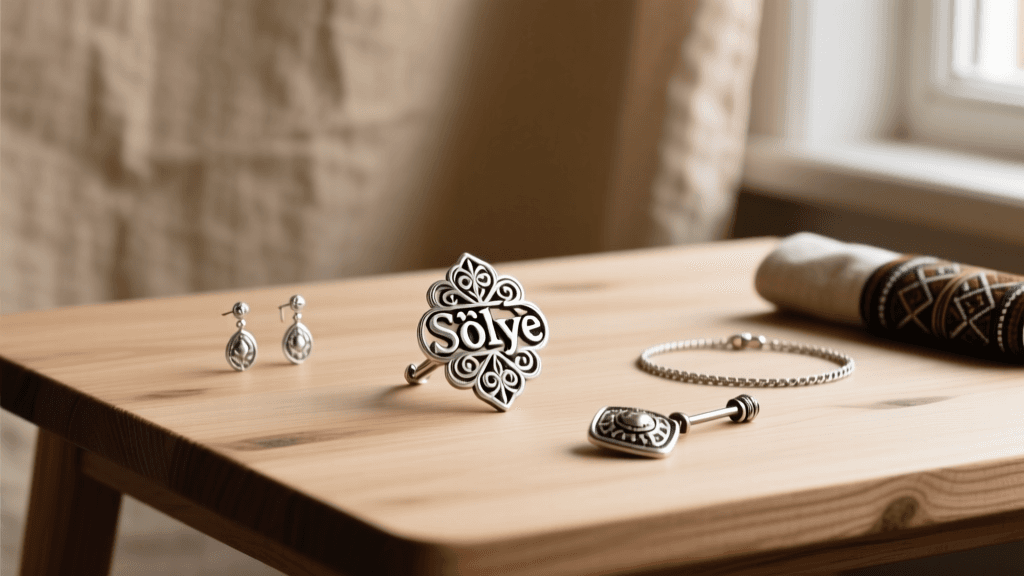
The term Sølje translates roughly to 'silver' or 'silver jewelry' in the context of Norwegian folk costumes. A complete set of Bunad silver is highly specific to the region the costume represents, and wearing the wrong regional silver is considered a significant faux pas in Norwegian culture. The jewelry is predominantly made of sterling silver (92.5% pure silver) and features two primary metalworking techniques: filigree (delicate, twisted silver wires soldered together) and granulation (tiny silver beads fused to the surface).
The Neck Brooch (Halsknapp)
The Halsknapp is typically a small, round or oval brooch used to fasten the collar of the Bunad shirt. In regions like Hardanger, the neck brooch often features a central raised dome surrounded by intricate filigree loops. In 2026, master artisans are increasingly offering custom sizing for the neck brooch to ensure it sits perfectly against modern collar dimensions without tearing the delicate linen or cotton fabrics.
The Breast Brooch (Brystknapp)
The Brystknapp is the centerpiece of the Bunad silver collection. Worn at the neckline or upper chest, it is usually much larger and heavier than the neck brooch. The Setesdal breast brooch, for example, is famous for its heavy, oxidized silver rosettes and dangling 'leaf' charms (known as lauv), which historically were believed to ward off evil spirits and the 'huldra' (forest creatures) by catching the light and creating a chiming sound as the wearer moved.
Cufflinks, Belt Buckles, and Hair Accessories
Beyond the primary brooches, a full Sølje set includes armknapper (cufflinks) featuring hinged or chain-link filigree designs, and heavy silver belt buckles (beltespenne) that anchor the woven wool belts of the female Bunad or the leather belts of the male Bunad. In recent years, silver hair crowns (brudekrone) and decorative hairpins have seen a massive resurgence in 2026 bridal markets, blending historical accuracy with contemporary wedding styling.
2026 Market Trends: Pricing and Artisan Availability
The market for authentic Bunad silver in 2026 is heavily influenced by the global spot price of silver, which has seen steady appreciation over the last few years. Consequently, purchasing directly from registered Norwegian silversmiths or authorized heritage dealers is highly recommended over secondary markets, where counterfeit or mass-produced 'Bunad-style' jewelry from overseas has become more prevalent.
Below is a structured breakdown of average 2026 pricing and lead times for genuine, handcrafted Bunad silver pieces:
| Silver Item Type | Region / Style | Average Silver Weight | 2026 Average Price (USD) | Artisan Lead Time |
|---|---|---|---|---|
| Neck Brooch (Halsknapp) | Hardanger | 15g - 22g | $140 - $210 | 2 - 4 Weeks |
| Breast Brooch (Brystknapp) | Setesdal | 45g - 65g | $400 - $650 | 6 - 10 Weeks |
| Belt Buckle (Beltespenne) | Telemark | 90g - 130g | $750 - $1,100 | 3 - 5 Months |
| Cufflinks (Armknapper) | Valdres | 12g - 18g (pair) | $110 - $160 | 1 - 3 Weeks |
| Cape Clasps (Kapestøler) | Nordland | 30g - 40g (pair) | $250 - $380 | 4 - 6 Weeks |
How to Authenticate and Buy Genuine Bunad Silver in 2026
Authenticating Bunad silver requires looking for specific hallmarks stamped into the metal. According to the Norwegian Museum of Cultural History, historical pieces and modern reproductions alike must adhere to strict Norwegian silver stamping laws. When inspecting a piece in 2026, you must look for three distinct marks:
- The Silver Content Mark: Usually '925 S' or the older '830 S' for antique pieces, indicating the purity of the sterling silver.
- The Maker's Mark: A unique symbol or set of initials representing the silversmith or the forge (e.g., the famous 'S' for Sylvsmidja in Voss).
- The Town/City Mark: A symbol indicating where the piece was assayed and crafted, such as the crowned lion for Oslo or specific regional marks for Voss and Bergen.
The Norwegian Craft Association (Norges Husflidslag) strongly advises buyers to purchase Sølje from certified local craft shops (Husfliden boutiques) or directly from established forges like Sylvsmidja. In 2026, many of these heritage forges offer digital certificates of authenticity and blockchain-backed provenance tracking for high-value items like Telemark belt buckles and bridal crowns, ensuring your heirloom is fully documented.
Caring for Your Sølje: Modern Maintenance Techniques
Proper maintenance is critical to preserving both the monetary and historical value of Bunad silver. The approach to cleaning depends entirely on the finish of the silver, which varies by region.
Polished vs. Oxidized Silver
Many Bunad silvers, particularly those from Setesdal and Hallingdal, feature intentional oxidation (a dark, blackened background) that makes the raised filigree and granulation pop. Never use liquid silver dips or ultrasonic cleaners on oxidized silver, as these will strip the dark patina and ruin the piece's contrast. Instead, use a specialized silver polishing cloth that is lightly treated with anti-tarnish compounds, gently rubbing only the raised, polished surfaces.
For fully polished silver (common in Hardanger and Nordland), mild soap, warm water, and a soft-bristled toothbrush can remove skin oils and cosmetics. Ensure the piece is completely dried with a microfiber cloth to prevent water spots.
Storage Solutions for 2026
Tarnish is caused by silver reacting with sulfur compounds in the air. When storing your Sølje between festival seasons:
- Wrap each piece individually in acid-free tissue paper or untreated, anti-tarnish flannel bags.
- Place silica gel packets or specialized 3M anti-tarnish strips inside your jewelry box to absorb ambient moisture and sulfur.
- Never store Bunad silver in direct contact with wood, cardboard, or rubber bands, as these materials off-gas chemicals that rapidly accelerate severe tarnishing and pitting.
Styling Your Bunad Accessories for Contemporary Festivals
While the Bunad is deeply traditional, the way it is styled in 2026 reflects a balance between historical reverence and personal comfort. The golden rule of Bunad styling is restraint; the silver should complement the intricate wool embroidery, not overwhelm it.
'The Sølje is not merely decoration; it is the armor of our cultural heritage. When you pin the breast brooch, you are fastening yourself to the generations of women and men who preserved our regional identities through centuries of change.' — Master Silversmith, Voss Heritage Forge.
For men, the silver is typically limited to a neck brooch, cufflinks, and a simple silver button array on the vest (vesteknapper). For women, the layering of the neck and breast brooch requires careful pinning to ensure the linen shirt does not bunch. In 2026, many modern Bunad wearers opt for hidden magnetic backing plates (safely encased in fabric) to support the weight of heavy Telemark breast brooches without tearing the delicate shirt collars.
Conclusion: Investing in Heritage
Purchasing Norwegian Bunad silver in 2026 is an investment in European folk art at its finest. Whether you are drawn to the delicate, lace-like filigree of the Hardanger Halsknapp or the bold, protective rosettes of the Setesdal Brystknapp, understanding the anatomy, regional rules, and care requirements ensures your jewelry will survive for generations. By supporting authentic artisans and adhering to traditional wearing customs, you play an active role in keeping one of Europe's most vibrant textile and metallurgical traditions alive.