Viking Smokkr Apron Dress: 2026 Reconstruction Guide
The Resurgence of Evidence-Based Viking Textiles in 2026
The year 2026 marks a significant turning point in the historical reenactment and traditional garment community. Over the past decade, the romanticized, Hollywood-inspired vision of Viking Age clothing has been steadily replaced by a rigorous, evidence-based approach to textile history. Today, civilian reenactors, historical interpreters, and heritage artisans are held to much higher standards of authenticity, driven by recent archaeological publications and advanced textile analysis. At the forefront of this movement is the reconstruction of the iconic smokkr, commonly known as the Viking apron dress or hangerock.
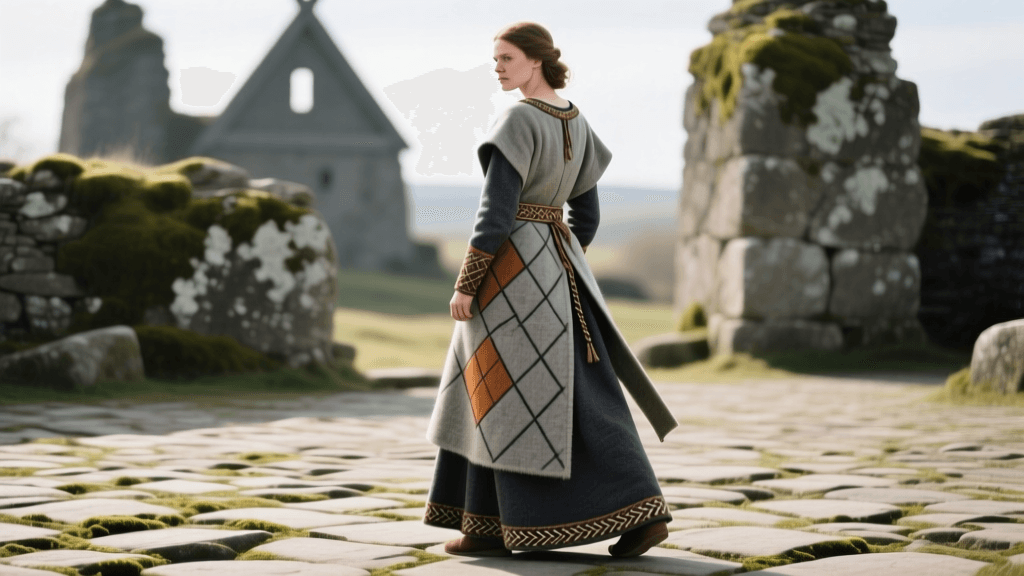
The smokkr was the quintessential outer garment for women across Scandinavia and Norse settlements from the late 8th to the mid-11th century. Suspended from the shoulders by a pair of oval brooches (often called tortoise brooches), this garment served as both a practical protective layer and a canvas for displaying wealth through imported silks, glass beads, and intricate tablet-woven trims. For modern enthusiasts looking to build an authentic Norse wardrobe in 2026, understanding the archaeological record, sourcing proper heritage textiles, and mastering period-accurate construction techniques are essential steps.
Decoding the Archaeological Record: Birka, Køge, and Hedeby
To reconstruct a smokkr accurately, we must look to the surviving textile fragments found in high-status female graves. Because wool and linen degrade rapidly in most soil conditions, complete garments rarely survive. Instead, researchers rely on small fragments preserved by contact with metal corrosion from brooches, pins, and scissors. According to the National Museum of Denmark, these micro-fragments provide vital clues regarding weave structures, thread counts, and layering practices.
Three primary archaeological sites inform our modern understanding of the smokkr's silhouette:
- Birka (Sweden): Excavations here revealed fragments suggesting a tubular or closed-front design, often made of high-quality wool with applied silk and silver wire trims.
- Køge (Denmark): The Køge find points toward an open-front, wrap-style garment with overlapping panels, challenging the assumption that all apron dresses were closed tubes.
- Hedeby (Germany/Denmark border): Fragments from this bustling trade hub show evidence of tailored gores and pleating, indicating that the smokkr could be a highly shaped, fitted garment rather than just a simple rectangle of cloth.
2026 Reenactment Consensus: Archaeological Comparison
| Archaeological Site | Garment Fragment Type | Primary Textile | 2026 Reenactment Application |
|---|---|---|---|
| Birka (Grave 464) | Tubular loops, silk applique | Diamond Twill Wool | Closed-front tube dress with woven tablet trim |
| Køge | Overlapping front panels | Tabby Weave Wool | Open-front wrap dress, pinned at the shoulders |
| Hedeby | Pleated fragments, shaped gores | Herringbone Wool | Fitted bodice with flared, pleated skirt panels |
Sourcing Authentic Materials for Your Smokkr
The foundation of any authentic Viking garment is the fabric. In 2026, the market for historically accurate heritage textiles has matured significantly. Modern reenactors no longer have to settle for generic, machine-woven wools from commercial fabric stores. Instead, specialized heritage weavers in Sweden, Norway, and the United Kingdom produce small-batch, pit-loom woven fabrics that perfectly replicate Viking Age thread counts and weave structures.
The most highly prized fabric for a high-status smokkr is diamond twill (often referred to in archaeological texts as rautakankaan or broken twill). This weave creates a beautiful, subtle geometric texture that catches the light and drapes elegantly. When sourcing diamond twill in 2026, look for a thread count between 10x12 and 16x16 threads per centimeter. Expect to pay a premium for authentic, hand-woven diamond twill, with current market prices ranging from €55 to €90 per meter, depending on the mill and the specific wool breed used (such as heritage Spelsau or Gotland sheep).
For the underdress, known as the serk, you will need undyed or naturally bleached linen. Opt for a medium-weight linen (around 180-220 gsm) with a visible slub and irregular weave, as perfectly uniform, laser-cut modern linen did not exist in the Viking Age.
The Chemistry of Natural Dyes
If you are commissioning a custom smokkr or dyeing your own yarn, historical accuracy requires the use of natural, plant-based dyes. The 2026 push toward sustainable, eco-friendly crafting has made natural dyeing more accessible than ever. The most historically accurate colors for Norse garments include:
- Woad (Isatis tinctoria): Produces a range of rich, colorfast blues. Woad was heavily cultivated in Scandinavia and is essential for a blue smokkr.
- Madder Root (Rubia tinctorum): Yields vibrant reds and deep terracottas. Madder was often imported via trade routes from the East and was a signifier of wealth.
- Weld (Reseda luteola): Provides bright, clear yellows, often used for underdresses or tablet-woven trims.
Pattern Drafting and Construction Techniques
Unlike modern clothing, which is cut to curve around the body using complex darts and shaped seams, Viking Age clothing was predominantly based on geometric shapes—rectangles, triangles, and squares. This zero-waste approach maximized the use of precious, hand-woven fabric. To draft a standard tubular smokkr based on the Birka model, you will need approximately 3 to 4 meters of 60cm-wide diamond twill wool (or 2 meters if using modern 150cm-wide fabric, though cutting it to mimic narrow loom widths is recommended for historical drape).
Step-by-Step Construction
1. The Main Panels: Cut two large rectangular panels for the front and back. The width should span from the side of your bust to the side of your back, ensuring the garment skims the body without pulling.
2. The Side Gores: To allow for walking and sitting, insert triangular gores into the side seams, starting from the waist or hip level down to the hem. The Hedeby finds suggest that multiple narrow gores can be used to create a beautifully flared, pleated skirt.
3. The Loops: The shoulder loops are a critical structural element. Cut strips of your wool or linen, fold them into tubes, and stitch them securely. These loops must be strong enough to bear the weight of the heavy bronze or silver oval brooches and the strings of glass beads that connect them.
4. Seam Finishes: In 2026, historical sewing competitions and strict reenactment guilds require period-accurate seam finishes. Raw edges must never be left exposed. Use a flat-felled seam or a running stitch combined with an overcast edge to prevent fraying. All sewing should ideally be done by hand using waxed linen thread and a bone or bronze needle, though some lenient groups allow hidden machine stitching for structural seams if the exterior finish is done by hand.
Hardware and Accessories: The Tortoise Brooches
The smokkr cannot be worn without its defining hardware: the paired oval brooches. These brooches were not merely decorative; they were the structural anchors of the entire outfit. According to artifact analyses featured by the National Museums Scotland, these brooches were typically cast in bronze, with higher-status women owning versions made of silver or gilded bronze, often featuring intricate Borre or Jellinge style knotwork.
When purchasing brooches in 2026, avoid cheap, mass-produced zinc alloys from generic online marketplaces. Seek out specialized historical metalworkers who use traditional sand-casting or lost-wax casting methods. A high-quality pair of bronze oval brooches will typically cost between €120 and €250. To complete the look, string authentic lampwork glass beads, amber, and carnelian between the brooches. The bead strings served as a display of the wearer's wealth and trade connections.
Tablet Weaving for Authentic Trims
No high-status smokkr is complete without tablet-woven trim. Tablet weaving (or card weaving) was a ubiquitous technique in the Viking Age, used to create strong, highly decorative bands for edging necklines, hems, and cuffs. The famous Oseberg ship burial in Norway yielded remnants of complex brocaded tablet weaves utilizing up to 52 tablets and silk threads.
Today, the revival of tablet weaving has been aided by modern technology. While historical purists still carve their own wooden or bone tablets, many weavers in 2026 utilize precision laser-cut wooden tablets or durable 3D-printed cards that withstand high-tension warp-weighted setups. To replicate a traditional Norse pattern, use a fine worsted wool or silk for the warp, and introduce a supplementary brocade weft in a contrasting color (such as madder-dyed red or metallic silver thread) to create geometric motifs like the swastika (a historic sun symbol), interlacing beasts, or simple diamonds.
Maintaining and Storing Heritage Wool Garments
Investing time and money into a hand-woven diamond twill smokkr requires proper maintenance. Modern dry cleaning chemicals can strip the natural lanolin from heritage wools, leaving the fabric brittle and prone to tearing. Instead, embrace historical maintenance techniques updated for modern living. After wearing your smokkr at an event or festival, air it out outdoors in a shaded, breezy area. The natural antibacterial properties of wool will neutralize odors without the need for frequent washing.
When storing your garment for the winter months, protect it from moth damage. Avoid chemical mothballs, which leave a toxic residue and a lingering odor. Instead, use traditional cedar wood blocks and dried lavender sachets. For an extra layer of security recommended by textile conservators at the Lofotr Viking Museum, seal your folded wool garments in airtight cotton bags and place them in a deep freezer for 72 hours before long-term storage. This process safely eliminates any microscopic moth eggs without damaging the delicate twill fibers.
Conclusion
Reconstructing a Viking smokkr in 2026 is a deeply rewarding journey that connects the modern maker to the skilled women of the Norse world. By prioritizing archaeological evidence over pop-culture fantasies, sourcing authentic diamond twill, mastering natural dyes, and utilizing period-accurate sewing techniques, you create more than just a costume. You create a living, breathing piece of European folk dress history that honors the ingenuity, artistry, and resilience of Viking Age textile workers. Whether you are preparing for a strict historical immersion event or simply wish to wear a masterpiece of traditional craftsmanship, the evidence-based smokkr remains a timeless testament to Norse heritage.