Authentic Slavic & Balkan Embroidered Blouses: 2026 Guide
The Enduring Legacy of Slavic and Balkan Embroidery
In the evolving landscape of global heritage fashion, the traditional embroidered blouses of Eastern Europe and the Balkans have transcended their regional origins to become celebrated masterpieces of textile art. As of 2026, the demand for authentic, ethically sourced folk garments has surged, driven by a broader cultural shift toward slow fashion and the preservation of indigenous craftsmanship. For collectors, cultural enthusiasts, and conscious consumers, understanding the nuanced differences between a mass-produced souvenir and a genuine, hand-loomed heirloom is essential.
This comprehensive guide explores the intricate world of the Ukrainian Vyshyvanka and the Romanian/Moldovan Ie. We will decode their regional symbolism, examine the materials used by master artisans today, and provide actionable advice on where and how to source authentic pieces in the current 2026 market.
The Ukrainian Vyshyvanka: Regional Codes and Stitches
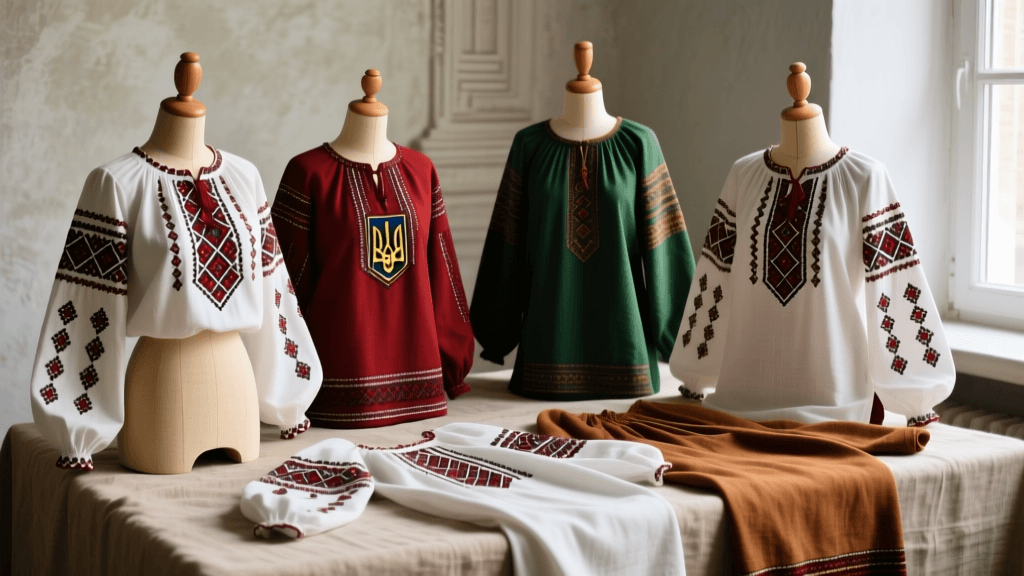
The Vyshyvanka is far more than a decorative garment; it is a wearable manuscript of Ukrainian history, identity, and spiritual protection. According to the Encyclopedia of Ukraine, the tradition of embroidery in the region dates back to ancient times, with specific motifs serving as talismans against evil spirits and as markers of social and marital status.
Decoding Regional Variations
When sourcing a Vyshyvanka in 2026, recognizing regional styles is the first step in authentication:
- Poltava Region: Famous for its ethereal 'white-on-white' embroidery (bila po bilomu). Artisans use up to 180 different stitch combinations, relying on shadow and texture rather than color contrast. This is considered the pinnacle of technical difficulty and commands premium prices.
- Hutsul Region (Carpathians):strong> Characterized by dense, vibrant geometric patterns. The dominant colors are deep reds, blacks, and yellows, often incorporating metallic threads and seed beads. The motifs frequently depict the tree of life, sun symbols, and mountain landscapes.
- Bukovina: Blouses from this region often feature heavy use of black and gold threads, with intricate smocking techniques around the collar and cuffs. The embroidery is dense, almost resembling woven tapestry.
- Central Ukraine (Cherkasy/Kyiv): Known for delicate floral and botanical motifs, often utilizing red and black cotton threads on finely woven hemp or linen, employing the nyzynka (surface darning) stitch to create a reversible pattern.
The Romanian and Moldovan Ie: Structural Anatomy
The Romanian Ie (pronounced 'yeh') is a masterpiece of structural engineering and aesthetic balance. In recent years, its cultural significance was formally recognized on a global scale when it was inscribed on the UNESCO Intangible Cultural Heritage list, cementing its status as a protected and vital cultural artifact.
The Architecture of the Ie
Unlike the Vyshyvanka, which often features continuous bands of embroidery, the traditional Ie is strictly compartmentalized into three distinct architectural zones:
- Altița (The Shoulder): The most complex and heavily embroidered section. Historically, the width and density of the altița indicated the wearer's wealth and the artisan's skill level. It is a rectangular block of dense geometric or floral stitching.
- Increțul (The Smocking): Located just below the altița, this is a gathered, smocked band that provides elasticity and structure to the sleeve. It acts as a visual and physical transition between the heavy shoulder and the flowing arm.
- Râurile (The Rivers): Diagonal or vertical bands of embroidery that flow down the sleeve from the increțul to the cuff. These 'rivers' are meant to symbolize the flow of life, water, and spiritual energy.
When examining a purported antique or high-end artisan Ie, ensure these three elements are present and proportionally balanced. Mass-produced factory replicas often omit the increțul or simplify the râurile into straight, uniform lines.
Material Integrity: Hand-Loomed Linens and Natural Dyes
The foundation of any authentic Slavic or Balkan blouse is the fabric. In 2026, true heritage cooperatives have returned to traditional agricultural practices, cultivating indigenous flax and hemp.
Hand-loomed linen (pânză de casă) possesses a distinct slubby texture and a natural, unbleached ivory or greyish hue. It is heavier and more durable than commercial cotton. Furthermore, the revival of natural dyeing has become a hallmark of premium artisanal workshops. Master dyers in the Carpathian and Balkan regions are once again utilizing walnut hulls for deep browns, madder root for vibrant reds, and woad or indigo for blues. Synthetic aniline dyes, which became prevalent in the late 19th and 20th centuries, are now actively avoided by top-tier artisans seeking historical accuracy.
2026 Market Guide: Sourcing and Authenticating
Navigating the market for Eastern European folk dress requires a discerning eye. The proliferation of e-commerce has made these garments globally accessible, but it has also flooded the market with machine-made imitations from overseas factories. To ensure you are supporting authentic cultural preservation, look for transparent supply chains, artisan profiles, and cooperative certifications.
For those interested in the deeper historical context and physical archives of these garments, the National Museum of the Romanian Peasant offers extensive digital and physical collections that serve as excellent reference points for authenticating vintage and contemporary pieces.
Artisan vs. Commercial: A 2026 Market Comparison
| Feature | Authentic Artisan Cooperative | Commercial Factory Replica |
|---|---|---|
| Fabric Base | Hand-loomed hemp, linen, or raw silk | Machine-woven cotton blend or polyester |
| Embroidery Thread | Hand-spun wool, silk, or naturally dyed cotton | Synthetic mercerized cotton or rayon |
| Stitch Technique | Hand-stitched (nyzynka, cross-stitch, smocking) | Computerized machine embroidery |
| Production Time | 40 to 120+ hours per garment | Under 1 hour per garment |
| Motif Accuracy | Regionally specific, historically verified | Mixed, generic, or culturally appropriated |
| 2026 Price Range (USD) | $250 - $1,200+ | $35 - $85 |
Where to Buy: Ethical Sourcing Channels
In 2026, the most reliable way to acquire an authentic Vyshyvanka or Ie is directly through regional artisan cooperatives or specialized heritage boutiques. Platforms like EtnoDim (Ukraine) and Ia Românească (Romania) have established robust international shipping networks, allowing global buyers to commission custom pieces directly from village artisans. When purchasing, always request a certificate of authenticity or a detailed breakdown of the stitches and materials used. Many cooperatives now include a small card detailing the name of the embroiderer, her village, and the specific regional tradition the pattern represents.
Contemporary Styling for 2026
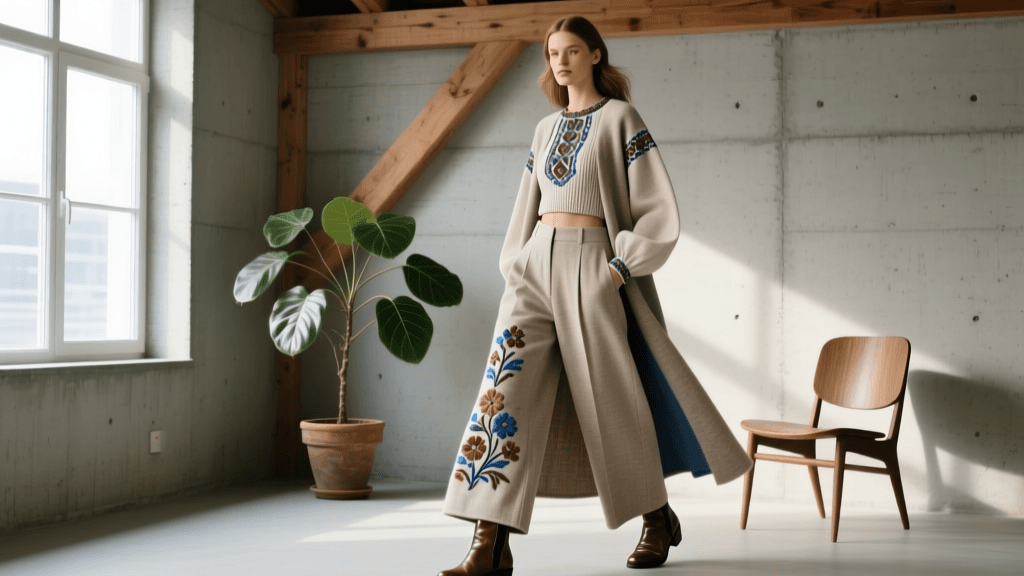
While these blouses are deeply rooted in tradition, they are incredibly versatile in a modern wardrobe. The current 2026 styling ethos leans toward 'heritage juxtaposition'—pairing the voluminous, heavily embroidered sleeves of an Ie with structured, minimalist tailoring.
- The Office Ensemble: Tuck a white-on-white Poltava Vyshyvanka into high-waisted, wide-leg wool trousers. The subtle texture of the embroidery elevates the professional silhouette without overwhelming it.
- Evening Wear: A black linen Hutsul blouse with metallic gold and red geometric embroidery pairs beautifully with a sleek, floor-length silk slip skirt and leather boots, creating a striking bohemian-gothic aesthetic.
- Casual Weekend: Wear a lighter, cotton-blend Romanian Ie with vintage denim and a wide leather belt to cinch the waist, highlighting the smocked increțul detail.
Archival Care and Preservation
Authentic hand-loomed linens and natural dyes require specialized care to ensure they last for generations. Never machine-wash a true artisan piece. Instead, soak the garment in cool water with a pH-neutral, conservation-grade detergent. Avoid wringing the fabric; gently press the water out and lay it flat on a clean, dry towel to air dry away from direct sunlight, which can fade natural botanical dyes.
When ironing, always use a pressing cloth and a medium-heat steam setting, ironing on the reverse side to protect the three-dimensional texture of the embroidery stitches. For long-term storage, wrap the blouse in unbleached, acid-free muslin or cotton. Never store heritage textiles in plastic bags, as trapped moisture can lead to mildew and the degradation of natural fibers.
Conclusion
The Slavic and Balkan embroidered blouse is a testament to the resilience and artistic brilliance of Eastern European cultures. By understanding the structural anatomy, regional motifs, and material realities of the Vyshyvanka and the Ie, collectors and fashion enthusiasts can make informed, ethical purchasing decisions. In 2026, investing in these garments is not merely an act of acquiring beautiful clothing; it is a direct contribution to the survival of ancestral craftsmanship and the empowerment of rural artisan communities.