Norwegian Bunad Revival: 2026 Contemporary Styling Guide
The 2026 Heritage Core Movement: Redefining the Bunad
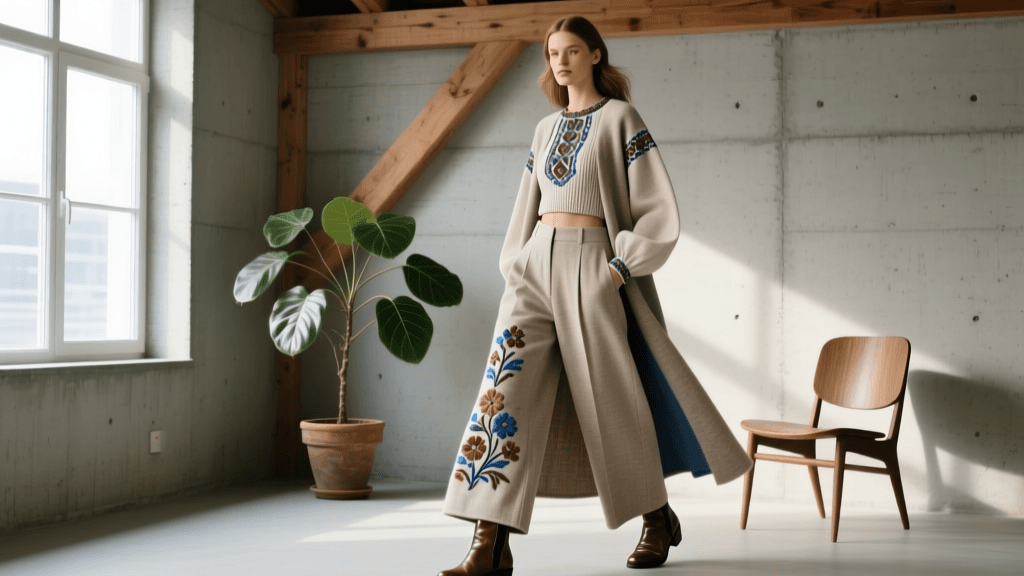
As we navigate the fashion landscape of 2026, the global shift away from hyper-fast fashion has cemented 'heritage core' as a dominant, enduring aesthetic. Nowhere is this more apparent than in the contemporary revival of European folk dress, specifically the Norwegian Bunad. Historically reserved for weddings, confirmations, and National Day (Constitution Day on May 17th), the Bunad is undergoing a radical transformation. Today's style enthusiasts and textile artisans are deconstructing these historic garments, integrating their rich textiles, intricate embroidery, and masterful tailoring into everyday modern wardrobes.
According to the Norsk Folkedraktforum, the authoritative body on Norwegian folk costumes, there has been a massive surge in interest regarding the historical roots and regional variations of these garments. However, the strict, traditional rules governing how a Bunad must be worn are being relaxed by a new generation. In 2026, the focus is on sustainability, craftsmanship, and personal expression. A fully assembled, custom-tailored traditional Bunad can cost between $3,500 and $6,000 USD in 2026, making the hybrid approach—mixing authentic folk elements with contemporary basics—not just a stylistic choice, but a financially accessible entry point into heritage fashion.
Deconstructing the Bunad for Modern Wardrobes
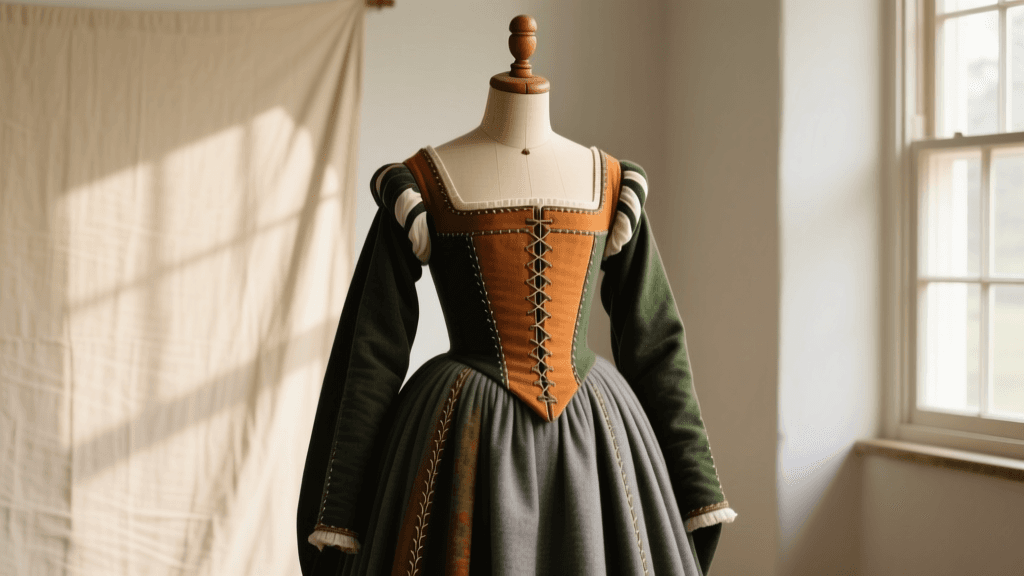
To successfully style folk elements in a contemporary context, one must understand the anatomy of the garment. The traditional women's Bunad consists of several key components: the stakk (skirt), the liv (bodice or vest), the skjorte (linen blouse), and the forkle (apron). By isolating these pieces, you can create striking, modern outfits that honor the textile traditions without looking like you are heading to a historical reenactment.
The Stakk (Wool Skirt)
Traditional Bunad skirts are heavily pleated, made from dense, high-quality worsted wool, and feature vibrant, region-specific colors like deep Telemark red, Hardanger black, or Gudbrandsdal green. For a 2026 streetwear adaptation, pair a midi-length, pleated wool folk skirt with a minimalist, oversized cashmere turtleneck and chunky leather combat boots. The contrast between the historic, structured wool and modern, relaxed knitwear creates a sophisticated silhouette that is highly functional for Nordic winters and transitional autumn weather.
The Liv (Bodice and Vest)
The bodice is often the most ornate piece, featuring silk brocades, velvet trims, and intricate silver lacing. Instead of wearing it over a traditional puffy-sleeved blouse, contemporary styling in 2026 favors layering the liv over a crisp, white, structured button-down shirt, or even a high-neck merino wool base layer. Worn open with high-waisted, wide-leg denim, the bodice acts as a statement corset or vest, bridging the gap between 19th-century agrarian roots and 21st-century urban chic.
The Skjorte (Embroidered Blouse)
The traditional linen blouse features regional whitework embroidery, such as the geometric Hardanger work or the floral Telemark rosepath. These blouses are incredibly versatile. In 2026, they are frequently styled under tailored blazers, tucked into leather trousers, or worn as standalone summer tops paired with linen shorts. The key is to let the embroidery be the focal point by keeping the rest of the outfit monochromatic and structurally clean.
2026 Contemporary Styling Matrix
To help you visualize how to integrate these heritage pieces into your daily rotation, we have developed a styling matrix comparing traditional pairings with modern 2026 adaptations, complete with current market estimates.
| Bunad Element | Traditional Pairing | 2026 Contemporary Pairing | Estimated Cost (USD) |
|---|---|---|---|
| Hardanger Linen Blouse | Wool Bodice, Heavy Silver Brooch | Oversized Leather Blazer, Straight-Leg Trousers | $180 - $250 |
| Telemark Pleated Wool Skirt | Velvet Bodice, Woven Silk Apron | Chunky Knit Sweater, Platform Chelsea Boots | $350 - $500 |
| Gudbrandsdal Brocade Vest | Linen Skirt, Silver Belt | High-Waisted Denim, Minimalist White Tee | $220 - $300 |
| Solje (Sun) Silver Brooch | Pinned to Linen Collar | Clipped to Modern Lapel or Used as a Belt Cinch | $90 - $150 |
Sourcing Authentic Textiles and 2026 Pricing
If you are looking to commission or sew your own hybrid folk garments, sourcing authentic materials is paramount to maintaining the integrity of the revival. The Norges Husflidslag (Norwegian Folk Art and Craft Association) continues to be the gold standard for sourcing verified, high-quality textiles and patterns. In 2026, the push for localized, sustainable supply chains means that Norwegian wool mills are experiencing unprecedented demand.
- Rauma Ullvarefabrikk: Famous for their Bunad-specific worsted wool (Stoff til Bunad). In 2026, expect to pay approximately $85 to $110 per meter for their premium 150cm wide wool. A standard skirt requires 2.5 to 3 meters.
- Hillesvåg Ullvarefabrikk: Another historic mill offering authentic, naturally dyed yarns and woven fabrics. Their traditional blue and red dyes are derived from natural sources, aligning perfectly with 2026 eco-conscious fashion mandates.
- Linen and Embroidery Kits: Authentic Hardanger embroidery kits, including pre-printed Irish linen and specialized DMC threads, range from $120 to $180. These kits often take 100+ hours to complete, making them a slow-fashion staple.
Accessorizing with Traditional Solje Silver
No Bunad ensemble is complete without solje (sun) silver jewelry. Characterized by their circular, sun-like shapes and dangling spoon-shaped pendants, these pieces were historically believed to ward off evil spirits and reflect the sun's life-giving light. In contemporary 2026 styling, the strict rules of matching polished silver to specific regions have been discarded. Modern stylists are mixing oxidized, blackened silver with highly polished pieces to create a grungier, more textured look.
Instead of pinning a massive traditional chest piece (bryststykke) directly to a delicate modern blouse, consider using a solje brooch to secure a heavy wool scarf, or attach it to the strap of a minimalist leather handbag. For a bolder statement, multiple smaller solje pins can be clustered on the lapel of an oversized denim jacket, merging rural Norwegian heritage with urban streetwear aesthetics.
Garment Care and Preservation
Investing in heritage textiles requires a commitment to proper garment care. The dense wools and delicate linens used in folk dress demand specific maintenance to ensure they last for generations.
Pro Tip for 2026: Never dry-clean heavily embroidered linen blouses unless the cleaner specializes in heritage textiles. The harsh chemicals can degrade the natural fibers and cause the geometric whitework threads to yellow over time. Instead, hand-wash in cold water using a pH-neutral wool and silk detergent, and lay flat to dry away from direct sunlight.
For the wool skirts and vests, airing them out in a damp, breezy environment (like a bathroom after a hot shower or a shaded outdoor balcony) is often enough to remove odors. When storing these garments for the off-season, avoid plastic garment bags, which trap moisture and invite moths. Opt for breathable cotton canvas storage bags, and include natural cedar blocks or dried lavender sachets to repel pests without introducing synthetic chemical odors into the natural fibers.
Conclusion: The Future of Folk Dress
The 2026 Norwegian Bunad revival is more than a fleeting trend; it is a profound reconnection with ancestral craftsmanship in an increasingly digital and disposable world. By deconstructing these historic garments and integrating their masterful textiles into our modern wardrobes, we not only preserve European folk dress but ensure it remains a living, breathing, and evolving art form. Whether you are pairing a Hardanger blouse with a tailored suit or styling a Telemark wool skirt with heavy boots, you are participating in a rich sartorial dialogue that bridges centuries of history with the cutting edge of contemporary style.