Feria de Abril 2026: Traje de Flamenca & Bata de Cola Dance Guide
The Living Textile: Andalusian Folk Dance Costumes in 2026
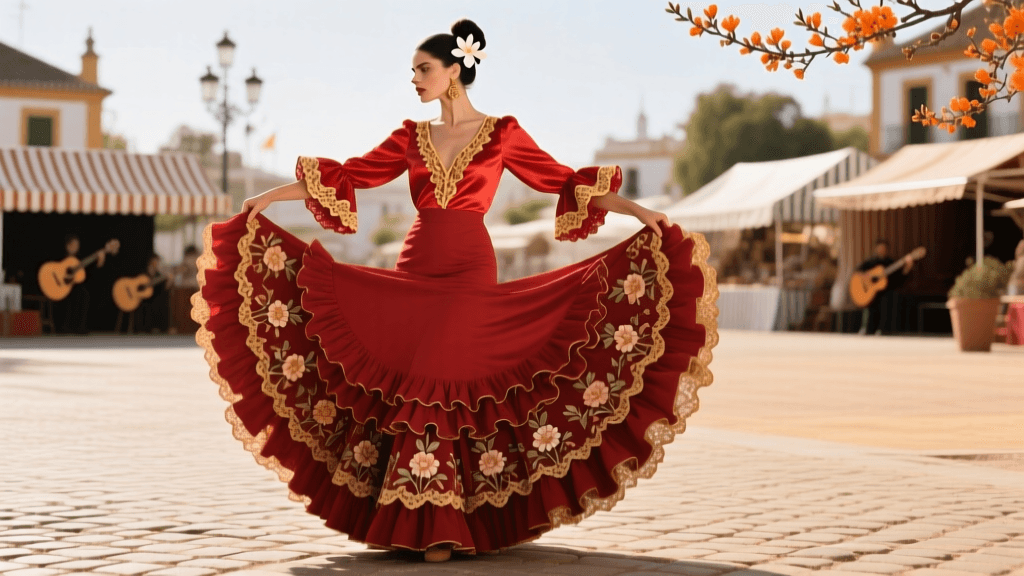
When discussing European folk dress, few garments command the stage and the festival grounds quite like the Andalusian Traje de Flamenca. As we prepare for the 2026 Feria de Abril in Seville and the prestigious Festival de Jerez, the intersection of traditional textile craftsmanship and dynamic folk dance choreography has never been more vibrant. Unlike many regional European costumes that are preserved strictly as historical artifacts, the Flamenco dress is a living, breathing garment that evolves annually while remaining deeply anchored in its dance functionality.
According to the UNESCO Intangible Cultural Heritage registry, Flamenco is a complex artistic expression where music, song, and dance are inextricably linked to the visual spectacle of the costume. The dress is not merely a decorative covering; it is an active instrument of the dance, extending the dancer's physical expression into the surrounding space. For the 2026 festival season, understanding the nuances between the daytime traje de romería and the professional stage bata de cola is essential for dancers, textile collectors, and cultural enthusiasts alike.
The Anatomy of the 2026 Traje de Flamenca
The standard Traje de Flamenca (often referred to as the traje de gitana) is characterized by its fitted bodice, which accentuates the torso and arms, and a dramatic, ruffled skirt that flares out at the knees or mid-thigh. The ruffles, known as volantes, are the defining feature of the garment. They are typically attached to a canesú (a decorative yoke) or cascaded in tiers down the skirt.
Textile Trends for the 2026 Festival Season
Following the showcases at SIMOF (the International Flamenco Fashion Show) in early 2026, this year's festival textiles emphasize a blend of heritage weaves and modern sustainability. While traditional cotton poplin and heavy crepes remain popular for their structural integrity, 2026 has seen a massive surge in the use of eco-friendly viscose blends and digitally printed organic cottons. These lighter fabrics allow for more voluminous volantes without adding excessive weight, a crucial factor for dancers performing in the warm Andalusian spring.
- Crepe de Chine: Remains the gold standard for stage dresses due to its fluid drape and excellent movement during turns (vueltas).
- Poplin Cotton: Preferred for daytime Feria wear. It holds the stiff, rounded shape of the ruffles beautifully in the breeze.
- Silk Organza Overlays: A major 2026 trend, used to add sheer volume and catch the light during evening performances.
The Bata de Cola: The Ultimate Folk Dance Instrument
While the standard traje is perfect for the caseta (festival tent) and social dancing, the Bata de Cola is the pinnacle of Flamenco folk dance costuming. Translating to 'dress with a tail,' the bata de cola features a long train that extends from the back of the skirt. Mastering the manipulation of this train is a specialized skill that takes years of dedicated practice.
According to archival resources and performance guides from the Museo del Baile Flamenco in Seville, the bata de cola originated in the late 19th and early 20th centuries, evolving from the everyday trailing skirts of Andalusian women into a highly stylized stage garment. Today, it is a symbol of technical mastery in folk dance.
| Feature | Standard Traje de Flamenca | Professional Bata de Cola |
|---|---|---|
| Skirt Length | Ankle-grazing or mid-calf | Floor-length front, 1.5m to 2m train (back) |
| Average Weight | 1.5 to 3 kilos | 4 to 8 kilos (up to 10 for heavy velvet) |
| Primary Use | Feria de Abril, Romerías, social dance | Stage performances, competitions, advanced choreography |
| Ruffle Placement | Knee or mid-thigh flare | Continuous ruffles extending through the train |
| Dance Technique | Basic floreo, braceo, and vueltas | Advanced zapateado, tail-kicking, and sweeping |
Choreography and Textile: Dancing in the Train
Dancing in a bata de cola requires the performer to treat the fabric as an extension of their own musculature. The train must be constantly in motion; if the dancer stops moving, the heavy fabric will tangle around their ankles, disrupting the rhythm and the visual line.
Key Dance Techniques for the Bata de Cola
1. El Zapateado (Footwork): The dancer uses the heel and toe of their specialized shoes to hook, kick, and sweep the train. This requires immense ankle strength and precise timing. The percussive strikes of the shoes against the floor must coordinate with the sweeping sound of the heavy silk or crepe train.
2. Floreos and Braceo (Wrist and Arm Movements): While the feet manage the heavy train, the upper body maintains the elegant, serpentine movements characteristic of Andalusian folk dance. The contrast between the aggressive, grounded footwork and the delicate, fluid arm movements is the emotional core of the performance.
3. Las Vueltas (Turns): Executing turns in a bata de cola is notoriously difficult. The dancer must use centrifugal force to fan the train out into a perfect circle, whipping the fabric around them before snapping it back into a controlled line as the turn concludes.
Essential Footwear: Zapatos de Flamenco
You cannot execute the folk dance techniques required for the bata de cola without proper footwear. The zapatos de flamenca are not standard character shoes; they are percussive instruments. In 2026, professional dance shoes are fitted with clavos (small metal nails) embedded in the toe and heel blocks to amplify the zapateado.
For the 2026 season, the standard heel height for women's festival and stage shoes remains between 5 and 7 centimeters, featuring a robust, reinforced shank to support the arch during rapid footwork. Custom-made pairs from renowned Seville cobblers currently range from €180 to €280, reflecting the cost of specialized leather and acoustic nail placement.
Essential Accessories for the Feria de Abril 2026
The Traje de Flamenca is never worn in isolation. The complete festival silhouette requires a carefully curated selection of accessories, many of which also play a role in folk dance choreography.
- Mantón de Manila: A large, square silk shawl featuring intricate embroidery and long fringe. In folk dance, the mantón is manipulated with sweeping, circular arm movements to mimic the flight of a bird or the blooming of a flower. Authentic hand-embroidered silk shawls are significant investments, often costing between €400 and €1,500 depending on the density of the stitch work.
- Peineta and Flores: The hair is traditionally swept up into a low bun or chignon, secured with a decorative tortoiseshell or acrylic peineta (comb). A fresh or high-quality silk flower (flor) is placed on the side of the head, balancing the visual weight of the earrings.
- Pendientes: Large, dangling earrings are mandatory. They catch the light and emphasize the sharp, rhythmic head movements (marcajes) of the dancer. Coral, gold filigree, and pearl drops are the most traditional choices for the 2026 Feria.
- Cinturón or Fajín: A wide sash or ornate belt that cinches the waist, providing a visual break between the fitted bodice and the voluminous skirt. In 2026, braided silk cords and velvet sashes with metallic thread embroidery are highly sought after.
Sourcing and Commissioning Your Festival Dress in 2026
If you are planning to attend the Feria de Abril or participate in regional folk dance festivals this year, timing is everything. The most prestigious ateliers in Seville, particularly those located around Calle Sierpes and Calle Asunción, book their custom commissions up to six months in advance. For the 2026 season, ordering your garment by late autumn of the previous year is highly recommended to ensure fabric availability and adequate fitting sessions.
For those seeking authentic, high-quality garments without the bespoke price tag, the official tourism and cultural portals, such as Visit Sevilla, frequently publish directories of certified local artisans and approved festival vendors. This ensures that visitors support the local textile economy and avoid mass-produced, imported imitations that lack the structural integrity required for actual folk dance.
| Garment / Accessory | Ready-to-Wear (Boutique) | Custom / Bespoke (Atelier) |
|---|---|---|
| Standard Traje de Flamenca | €150 - €350 | €450 - €900+ |
| Bata de Cola (Stage) | €300 - €600 | €800 - €2,000+ |
| Mantón de Manila (Silk) | €120 - €300 | €500 - €1,500+ |
| Zapatos de Flamenco | €90 - €140 | €180 - €280 |
| Complete Accessory Set | €40 - €80 | €150 - €400 |
Conclusion: Preserving the Rhythm of the Ruffles
The Traje de Flamenca and the majestic Bata de Cola represent a unique facet of European folk dress where high fashion and rigorous dance tradition seamlessly merge. As the 2026 festival season approaches, the continued evolution of these garments—embracing sustainable textiles while honoring centuries-old choreographic requirements—ensures that the rhythm of the ruffles will continue to captivate audiences at the Feria de Abril and on stages around the world. Whether you are a seasoned dancer mastering the zapateado or a cultural traveler admiring the vibrant casetas of Seville, understanding the profound connection between the textile and the dance enriches the entire experience.