Authentic Bavarian Tracht for Schuhplattler Dance: 2026 Guide
As the 2026 European folk festival season approaches, the revival of traditional Alpine folk dance has reached new heights. Among the most dynamic and physically demanding of these traditions is the Schuhplattler, a spectacular courtship dance originating from the Bavarian and Tyrolean Alps. Characterized by vigorous leaps, deep squats, and rhythmic slapping of the thighs, knees, and calves, the Schuhplattler is not merely a performance; it is a living, breathing cultural heritage. However, executing these demanding choreographies requires more than just practice—it demands authentic, meticulously tailored traditional garments. Wearing mass-produced, synthetic tourist costumes is not only a faux pas in 2026; it is a biomechanical hazard for dancers.
Whether you are preparing for the Maibaumaufstellen (Maypole dances) in spring or the grand harvest festivals in autumn, understanding the intersection of textile engineering and folk choreography is essential. This comprehensive guide explores the specific tailoring requirements, material selections, and maintenance routines for authentic Bavarian Tracht designed explicitly for the rigors of folk dance.
The Biomechanics of the Schuhplattler: Why Garment Fit Matters
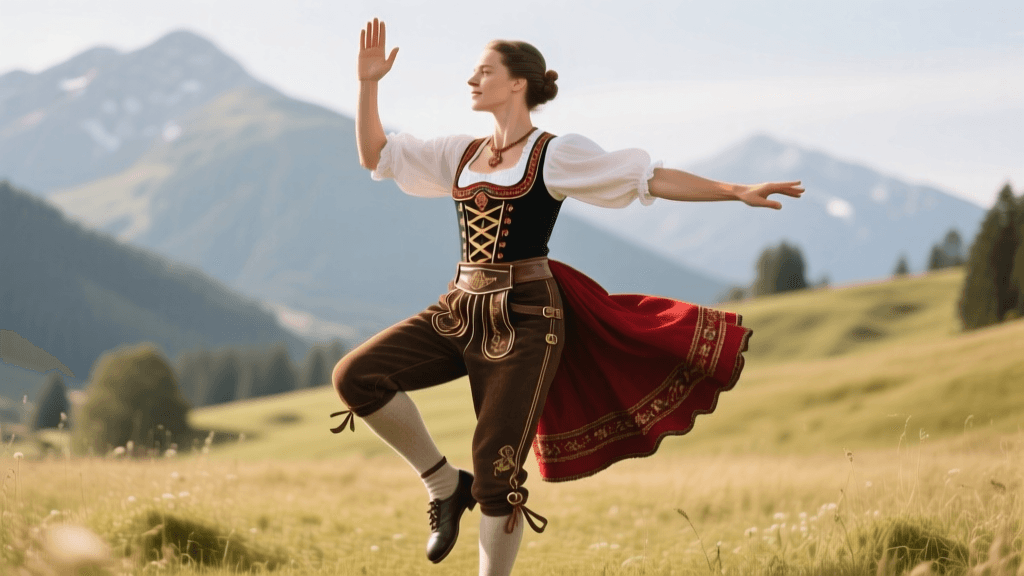
The Schuhplattler requires an extraordinary range of motion. Male dancers must perform deep, sustained squats while balancing on one leg, leaping into the air to strike their lederhosen-clad thighs with resounding cracks. Female dancers execute rapid, continuous pivots and spins, requiring their skirts to flare outward in a perfect, controlled bell shape without tangling or exposing the dancer. According to the Bayerischer Trachtenverband (Bavarian Tracht Association), the preservation of these dances relies heavily on the correct historical cut of the garments, which were originally designed by hunters and farmers for maximum mobility in rugged terrain.
If a dancer wears rigid, modern cowhide lederhosen, the leather will resist the deep knee bends, causing fatigue and restricting the height of the leaps. Similarly, a dirndl skirt lacking the proper weighted hem and pleat distribution will succumb to chaotic centrifugal forces during spins, ruining the visual harmony of the dance and potentially causing trips and falls.
Sourcing and Tailoring Lederhosen for Performance
Authentic Lederhosen for dance are a masterclass in functional leathercraft. The defining feature is the Latz (drop-front flap), which historically allowed for easy adjustment and ventilation. For dancers, the rise of the trouser must be tailored slightly higher than modern fashion dictates, ensuring that the waistband sits securely at the natural waist and does not slide down during deep squats.
Leather Selection: Hirschleder vs. Rehleder
For the Schuhplattler, the leather must be supple, breathable, and capable of producing a sharp, resonant sound when slapped. In 2026, master tanners in Garmisch-Partenkirchen and Miesbach continue to use the traditional Sämisch tanning method, which utilizes cod liver oil to create a washable, incredibly soft finish.
- Hirschleder (Red Deer Leather): The gold standard for male dancers. It is durable, thick enough to withstand repetitive slapping, yet supple enough for high kicks. The natural grain provides excellent grip for the hands during the 'platteln' (slapping) sequences.
- Rehleder (Roe Deer Leather): Lighter and exceptionally soft. Often preferred by younger dancers or those performing highly acrobatic variations that require maximum flexibility, though it produces a slightly softer acoustic slap.
- Rindsleder (Cowhide): Strictly avoided for serious dance. It is too stiff, heavy, and lacks the acoustic properties required for traditional performance.
2026 Pricing and Artisan Availability
Investing in bespoke dance-grade Lederhosen is a significant commitment. As of 2026, expect to pay between €850 and €1,400 for a custom-tailored pair from a recognized heritage artisan. Due to the high demand for authentic Tracht ahead of the 2026 festival circuit, lead times for bespoke orders currently average four to six months. Dancers must plan their fittings well in advance to allow for the crucial 40-hour 'break-in' period required to mold the leather to their specific musculature.
The Dirndl: Engineering the Perfect Spin
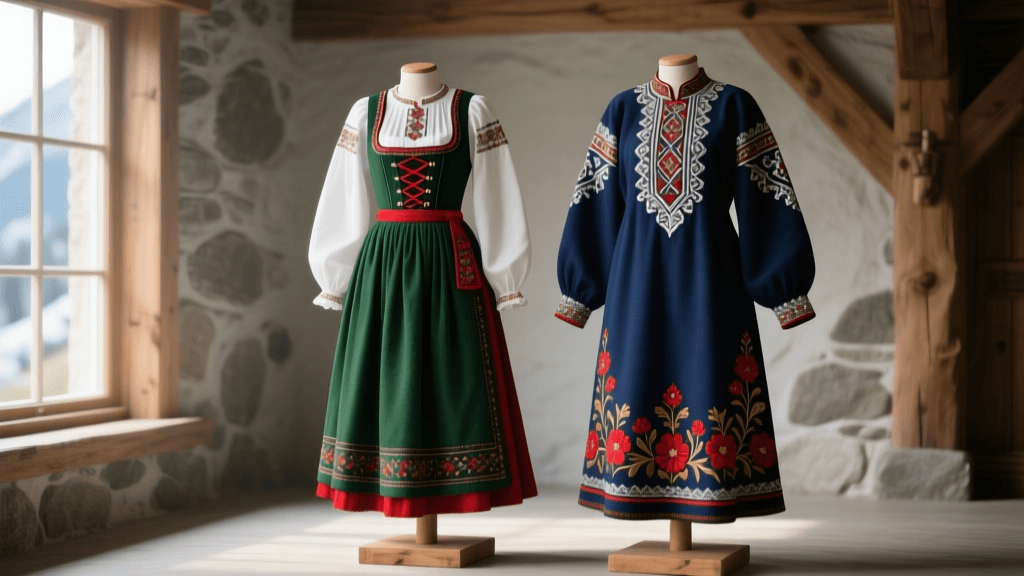
The female counterpart to the Schuhplattler involves the Drehen (spinning). The traditional Dirndl is a three-piece ensemble consisting of the Mieder (bodice), Rock (skirt), and Schürze (apron). Each component must be engineered to support rapid, sustained rotation.
The Bodice (Mieder): Support and Breathability
A dance-grade Mieder is not a rigid corset. It is structured with flexible steel or synthetic boning that provides torso support while allowing for the deep diaphragmatic breathing required during cardiovascular folk dances. The front lacing must be secured with a continuous cotton or silk cord, allowing the dancer to micro-adjust the tension throughout a long festival day. In 2026, natural linen and lightweight wool blends remain the preferred fabrics for the bodice, offering superior moisture-wicking properties compared to synthetic brocades.
Skirt Pleating and Weight Distribution
The secret to the perfect Dirndl spin lies in the Rock. A proper traditional skirt requires 3.5 to 4.5 meters of fabric, gathered at the waist using cartridge pleating or deep knife pleats. This massive volume of fabric creates the iconic bell shape when spinning. However, volume alone is not enough. The hem must be weighted—often with a thick cotton bias binding or a discreet lead-weighted tape sewn into the hemline—to keep the skirt flying horizontally rather than flipping up vertically.
The Apron (Schürze) and Tying Codes
The apron must be tied according to strict regional codes: a bow on the left indicates the wearer is single; on the right, married or taken; in the center, traditionally a virgin; and at the back, a widow. For dancers, the apron presents a hazard, as it can easily wrap around the legs during rapid turns. To combat this, dancers often use a discreet safety pin to secure the apron to the skirt at the hip, or opt for a slightly heavier silk apron that drapes closely to the weighted skirt beneath it.
Footwear for Stamping and Spinning
Footwear in the Schuhplattler must absorb immense impact while providing lateral stability.
- Men's Haferlschuhe: These traditional Alpine shoes feature a distinctive side-lacing system that provides superior ankle support compared to standard Oxfords. The thick, stacked leather heels and hobnailed or heavy rubber soles are essential for the rhythmic stamping that provides the percussion for the dance.
- Women's Character Shoes: Female dancers typically wear sturdy, low-heeled leather shoes with an ankle strap (Spangenschuhe). The heel should not exceed 3 centimeters to ensure stability during pivots, and the sole must be leather or smooth composite to allow for frictionless turning on wooden dance floors.
Garment Care and Maintenance for Dancers
Authentic Tracht requires specialized care, especially when subjected to the heavy perspiration of festival dancing. The Bayerisches Nationalmuseum textile conservation department advises against modern dry cleaning for Sämisch-tanned leather, as the harsh chemicals strip the natural oils and ruin the supple finish.
| Garment Component | Cleaning Method | Dancer-Specific Maintenance Tip |
|---|---|---|
| Hirschleder Lederhosen | Hand wash in lukewarm water (max 30°C) with specialized Tracht soap. | Brush vigorously with a suede brush while damp to restore the nap and maintain acoustic slapping properties. |
| Dirndl Bodice (Linen/Wool) | Spot clean or gentle machine wash in a mesh bag. | Air dry flat. Never tumble dry, as heat will warp the internal boning structure. |
| Weighted Dirndl Skirt | Professional wet cleaning or gentle hand wash. | Iron on a low setting with a pressing cloth to maintain sharp cartridge pleats essential for the spin silhouette. |
| Haferlschuhe | Wipe with a damp cloth and apply beeswax-based leather conditioner. | Check hobnails or heel caps monthly; replace worn soles immediately to prevent slipping during stamping routines. |
Preserving Heritage in 2026 and Beyond
The global recognition of traditional folk practices continues to grow, with organizations like UNESCO emphasizing the importance of safeguarding intangible cultural heritage, which includes the traditional knowledge of garment-making and folk choreography. When you invest in authentic, dance-grade Bavarian Tracht, you are not merely buying a costume; you are participating in a centuries-old lineage of artisans, tanners, and dancers.
As you step onto the dance floor this 2026 festival season, the resounding crack of Hirschleder and the perfect, sweeping arc of a weighted Dirndl skirt will serve as a testament to the enduring power of European folk dress. Respect the materials, honor the tailoring, and let the garments guide your dance.