Lithuanian Folk Dress Amber Jewelry & Silver Clasps 2026 Guide
The Resurgence of the Tautinis Kostiumas in 2026
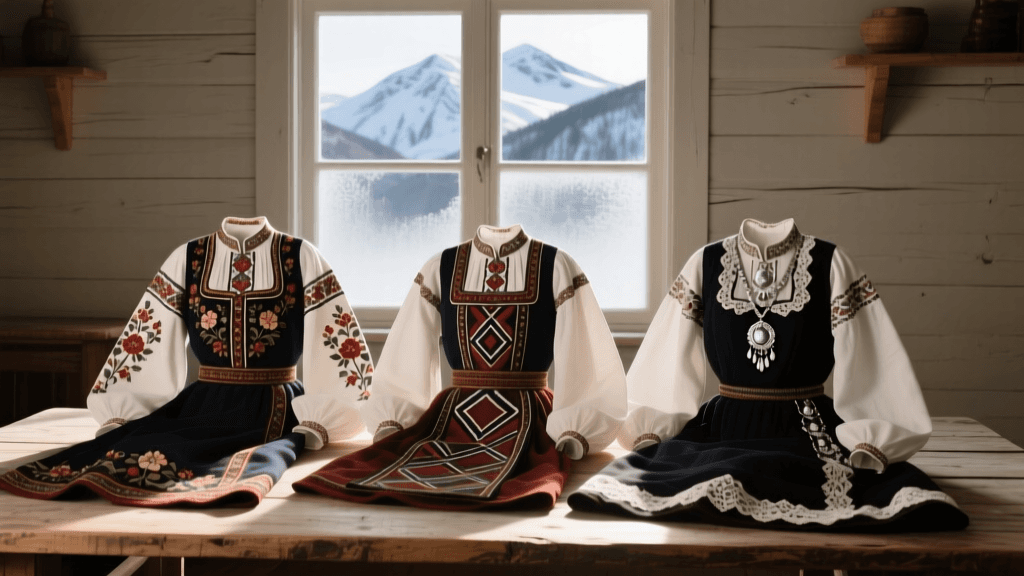
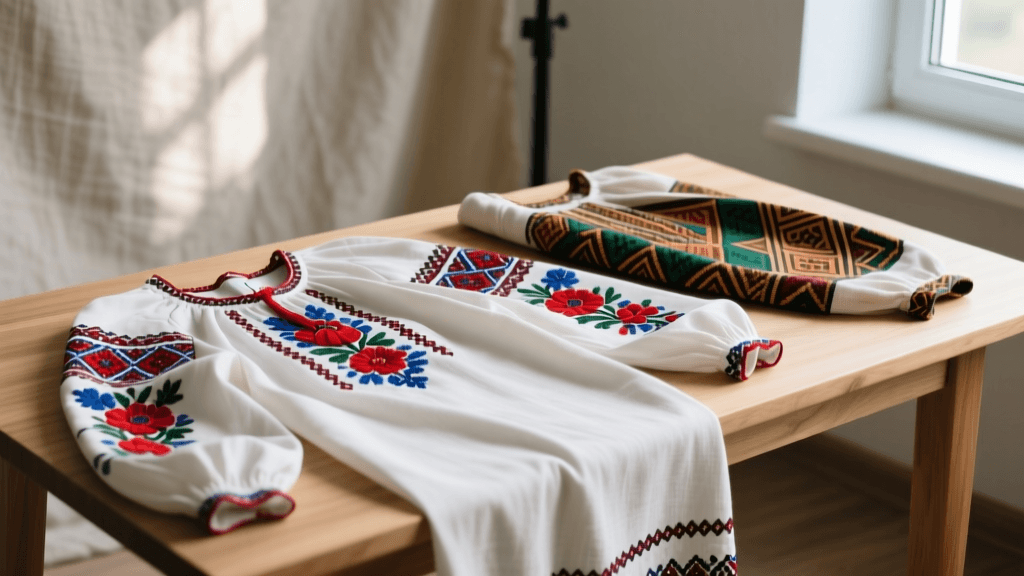
The Lithuanian national costume, known as the tautinis kostiumas, is a masterclass in regional textile artistry, but it is the accessories that truly elevate the ensemble from mere clothing to a profound cultural statement. Across the ethnographic regions of Aukštaitija, Dzūkija, Suvalkija, Žemaitija, and Lithuania Minor, jewelry and headwear serve as vital markers of identity, marital status, and social standing. As of 2026, there has been a massive resurgence in the wearing of traditional folk dress, driven by a renewed interest in heritage crafts and the upcoming 2026 Dainų šventė (Song and Dance Festival). This guide explores the intricate world of Lithuanian folk dress accessories, focusing on Baltic amber jewelry, silver filigree metalwork, and traditional headwear, providing actionable advice for collectors, historians, and modern wearers.
Baltic Amber: The Gold of the North
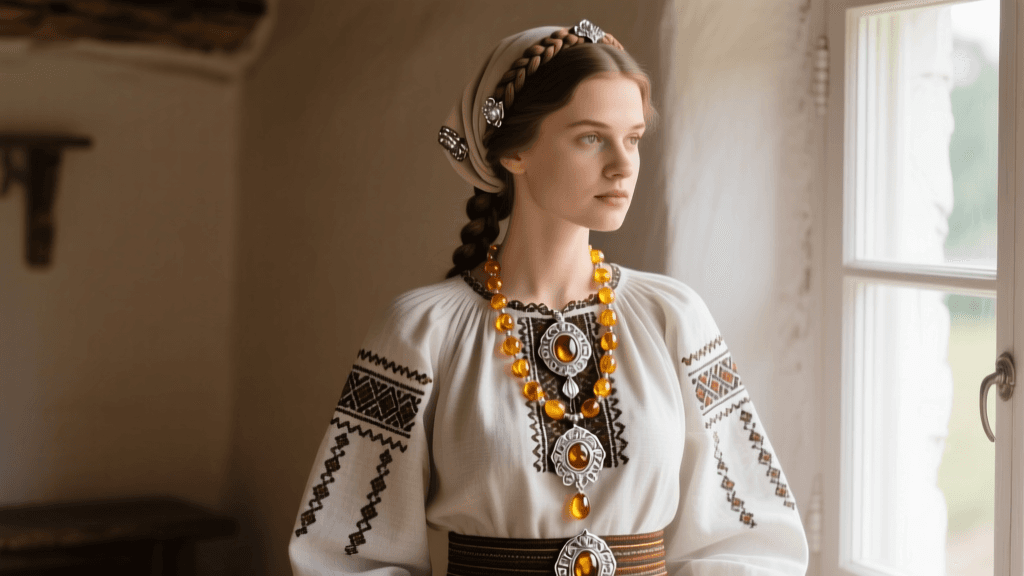
No discussion of Lithuanian folk accessories is complete without addressing gintaras, or Baltic amber. Formed from the resin of prehistoric pine forests over 40 million years ago, amber has been traded along the Amber Road since antiquity. In traditional Lithuanian dress, amber is predominantly featured in karoliai (necklaces). Unlike the highly polished, faceted amber seen in modern commercial jewelry, traditional folk amber was often left raw, uncut, or gently tumbled to preserve its natural, organic inclusions and warm, honeyed hues.
According to the Palanga Amber Museum, true Baltic succinite contains 3-8% succinic acid, a defining chemical marker that separates it from younger, less durable copal resins. In 2026, the market has seen an influx of synthetic imitations and heat-treated copal. When sourcing authentic amber necklaces for a traditional costume, buyers must look for natural inclusions (such as tiny air bubbles or prehistoric insect fragments) and request certificates of authenticity. A traditional multi-strand amber necklace, often worn tightly against the collarbone to complement the linen marškiniai (shirt), remains the most iconic accessory for women of all ages and marital statuses.
Silver Filigree Brooches and Clasps
While amber dominates the neckline, metalwork secures and adorns the bodices, shirts, and belts of the tautinis kostiumas. The segė (brooch) is a crucial functional and decorative element. In the Dzūkija region, intricate silver filigree brooches were historically used to fasten the collars of women's shirts and to pin the heavy woolen liemenė (bodice). These silver pieces often feature floral motifs, sun symbols, and geometric patterns that reflect ancient Baltic pagan cosmology.
In contrast, the Suvalkija region is famous for its vibrant, stamped brass and bronze accessories, while Aukštaitija favors delicate silver chains and coin-adorned clasps. The Lithuanian National Museum notes that regional variations in metalwork are so distinct that ethnographers can often identify a garment's origin solely by the casting technique and metallurgical composition of its brooches and belt buckles (sagtys). In 2026, contemporary Lithuanian silversmiths are reviving these lost casting techniques, using 3D modeling to recreate museum-grade filigree patterns before hand-finishing them with traditional oxidization methods.
Comparison of Traditional Lithuanian Accessories
| Accessory Type | Lithuanian Term | Primary Material | Regional Origin | Marital Status Indicator |
|---|---|---|---|---|
| Beaded Necklace | Karoliai | Baltic Amber, Coral | Coastal / Nationwide | Unmarried & Married |
| Shirt Brooch | Segė | Silver, Brass | Dzūkija / Suvalkija | Unmarried (Silver) |
| Belt Buckle | Sagtis | Cast Bronze, Silver | Aukštaitija | Married Women |
| Wreath Crown | Rateliai | Silk, Metal Accents | Nationwide | Unmarried Maidens |
| Wimple / Cap | Nuometas | Linen, Silver Pins | Dzūkija | Married Women |
Headwear and Crowns: From Rateliai to Nuometas
Headwear in Lithuanian folk dress is the most stringent indicator of a woman's age and marital status. Unmarried girls and young women traditionally wore their hair in braids, adorned with rateliai (crowns or wreaths). These were not merely floral garlands; they were elaborate structures of silk ribbons, galloons, and metallic accents. In some regions, the rateliai featured dangling silver or brass pendants that chimed softly when the wearer danced, a feature highly prized during the communal circle dances of the Song Festivals.
Upon marriage, a woman's hair was covered, marking her transition into a married matron. The most striking of these married headpieces is the nuometas, a long linen wimple worn extensively in the Dzūkija region. The nuometas was wrapped intricately around the head and neck, secured by decorative silver pins or small brooches. The purity and whiteness of the linen were paramount, symbolizing the woman's honor and her new role within the community. In 2026, mastering the complex wrapping technique of the nuometas has become a popular workshop offering at cultural centers across Vilnius and Kaunas, as younger generations seek to reconnect with their ancestral roots.
2026 Sourcing Guide: Pricing and Authenticity
For enthusiasts looking to acquire authentic pieces or high-quality reproductions in 2026, understanding the current market is essential. The global demand for untreated Baltic amber has driven prices up, with a 12% increase in raw material costs noted in early 2026. A genuine, 50-gram raw amber necklace sourced from reputable coastal artisans in Palanga or Klaipėda will typically cost between €140 and €220. Buyers should avoid street vendors and instead visit established galleries that provide geological certification.
Hand-forged silver segės and sagtys require the skills of specialized jewelers. In the Vilnius Old Town and the artisan guilds of Kaunas, custom-commissioned silver filigree brooches range from €120 for simple geometric designs to over €350 for complex, multi-tiered floral pieces incorporating traditional granulation techniques. When purchasing antique pieces from the 19th or early 20th century, expect to pay a premium at auction houses, with museum-quality silver belt buckles frequently exceeding €800.
Care and Maintenance of Heritage Accessories
Preserving these delicate accessories requires specific care, especially as modern environmental factors can degrade organic materials. Baltic amber is remarkably soft, ranking only 2 to 2.5 on the Mohs hardness scale. It should never be cleaned using ultrasonic jewelry cleaners or harsh chemical dips, which are common in modern jewelry maintenance. Instead, amber should be gently wiped with a soft, lint-free microfiber cloth dampened with lukewarm water and a drop of mild, pH-neutral soap. Store amber separately from harder gemstones to prevent scratching, and keep it away from prolonged exposure to direct UV light, which can cause the resin to darken and become brittle over time.
Silver folk jewelry, particularly pieces with intentional oxidization to highlight filigree details, should not be polished with abrasive silver dips. A gentle rub with a specialized silver polishing cloth is sufficient to remove surface tarnish while preserving the dark patina in the recessed areas. For heavily tarnished brass or bronze accessories from the Suvalkija region, a mild paste of baking soda and lemon juice applied with a soft toothbrush can restore the metal's natural luster without damaging the historical integrity of the casting.
Conclusion: A Living Heritage
The accessories of the Lithuanian tautinis kostiumas are far more than decorative afterthoughts; they are the punctuation marks of a rich cultural language. From the sun-trapped warmth of Baltic amber to the intricate silver filigree that binds the garments together, these pieces tell stories of regional pride, ancient beliefs, and life transitions. As recognized by UNESCO Intangible Cultural Heritage, the traditions surrounding these garments are kept alive not just in museum displays, but through active, joyful participation in cultural festivals. By understanding the history, regional nuances, and proper care of these accessories, modern wearers and collectors in 2026 can ensure that the golden and silver threads of Lithuanian heritage continue to shine for generations to come.