Bavarian Schuhplattler Dance Tracht: Festival Costumes 2026
The Mechanics of Schuhplattler: Why Dance Dictates the Tracht
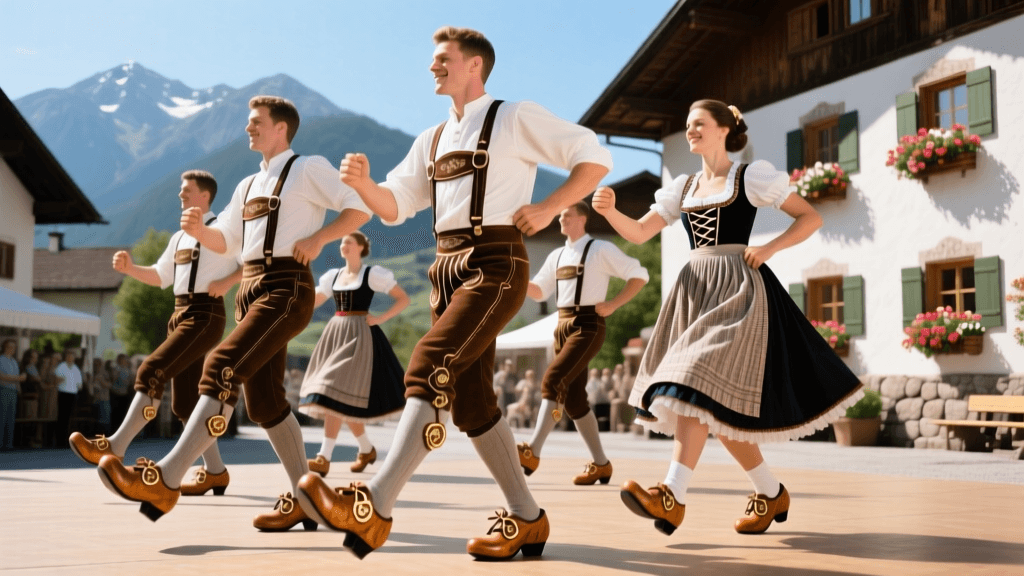
The Alpine tradition of the Schuhplattler is one of Europe's most dynamic and physically demanding folk dances. Originating in the mountainous regions of Bavaria, Tyrol, and Salzburg, this courtship dance involves vigorous stomping, clapping, and the rhythmic slapping of thighs, knees, and shoes. As the 2026 Alpine festival season approaches, thousands of dancers and cultural enthusiasts are preparing for events like the Gaufest and regional Schützenfeste. However, participating in these festivals requires more than just wearing a generic costume; it demands authentic, highly functional Tracht (traditional folk dress) engineered specifically for extreme movement.
According to the guidelines maintained by the Bayerischer Trachtenverband (Bavarian Folk Costume Association), the integrity of the Tracht is paramount. Mass-produced 'Oktoberfest' costumes often tear at the seams during high kicks and rapid spins. In 2026, serious folk dance troupes and festival-goers are prioritizing bespoke tailoring, historically accurate materials, and hidden structural reinforcements to ensure their garments survive the rigorous choreography of the Plattler while honoring regional heritage.
Lederhosen for the Plattler: Cut, Leather, and Suspenders
For male dancers, the Lederhosen (leather breeches) must offer maximum flexibility without sacrificing traditional aesthetics. The standard tourist-shop leather is often too stiff, leading to chafing and restricted movement during the Weitschuhplattler (a variation involving leaping and wide stances).
Leather Selection and Thickness
Authentic dance Lederhosen are crafted from Hirschleder (deer hide) or Sämischleder (brain-tanned chamois or deer). For the 2026 festival season, master tanners recommend a leather thickness of exactly 1.2mm to 1.4mm. This specific gauge provides the durability needed to withstand repeated, forceful slapping of the thighs, while remaining supple enough to allow for deep squats and high kicks. The leather must be finished with a slight nap on the inside to grip the skin slightly, preventing the breeches from riding up during jumps.
The Drop-Front and Gussets
Dance-specific Lederhosen feature a traditional drop-front (Latz) fastened with two genuine horn buttons. More importantly, bespoke pairs for the 2026 season include hidden diamond-shaped gussets in the crotch and inner thigh. These gussets, cut from a softer, stretchable suede, are the secret to preventing seam blowouts during the dance's most athletic maneuvers.
Suspenders (Hosenträger)
The suspenders are not merely decorative; they bear the weight of the heavy leather. For dancers, the cross-piece (Quersteg) must be positioned precisely at the sternum to prevent the straps from slipping off the shoulders during vigorous arm movements. The embroidery on the cross-piece—often featuring edelweiss, oak leaves, or hunting motifs—must be done with high-tensile silk thread that will not fray from the friction of the dancer's arms.
The Dirndl in Motion: Skirt Weights, Aprons, and Bodices
The female counterpart to the Schuhplattler is a partner dance that involves rapid, continuous spinning. A standard fashion Dirndl will flare up uncontrollably, but a traditional Tanzdirndl (dance Dirndl) is engineered with physics in mind to maintain modesty and elegance in motion.
Skirt Construction and Hem Weights
The skirt of a festival Dirndl must fall to mid-calf (approximately 70 to 80 centimeters from the natural waist). To achieve the iconic, bell-shaped silhouette during spins, the hem is reinforced. In 2026, traditional tailors are utilizing Rosshaarband (horsehair braid) sewn into the inner hem, combined with discreet lead-weight tapes. This adds roughly 200 to 300 grams of weight to the bottom of the skirt, using centrifugal force to push the fabric outward and downward, ensuring it never flips up over the dancer's knees, even during the fastest pirouettes.
Bodice Structure and the Apron
The bodice (Mieder) requires internal structuring. While historical garments used reed or whalebone, modern 2026 dance bodices utilize flexible spiral steel boning encased in cotton channels. This provides the necessary back support for the dancer's posture without restricting diaphragmatic breathing. The apron (Schürze) is tied in a traditional bow indicating marital status, but for the Plattler, the bow loops are often discreetly stitched down or pinned with hidden magnetic clasps to prevent them from untying and whipping the dance partner in the face.
Footwear and Accessories: Haferl Shoes and Tyrolean Hats
Footwear is arguably the most critical component of the Schuhplattler. The dance relies on the percussive sound of the shoes striking the wooden floor and the dancer's own hands.
- Haferlschuhe (Brogue Shoes): Traditional Bavarian Haferlschuhe feature a side-lacing or front-lacing system. For 2026 festival tents, which often feature modern composite flooring rather than traditional spruce wood, dancers are opting for Haferlschuhe with a hybrid sole: a leather midsole for traditional acoustics, topped with a thin, natural crepe rubber outsole to prevent slipping and absorb the shock of repetitive stomping.
- Wadenstulpen (Calf Warmers): Worn over the knees with Loferl (calf socks), these woolen tubes must be tightly knitted from coarse mountain sheep wool to stay in place during kicks.
- Hats and Gamsbart: The traditional Tyrolean or Bavarian hat is adorned with a Gamsbart (chamois hair tuft). For dancers, the hat is often treated with a light, invisible spray resin at the crown to ensure it stays affixed to the head during sudden drops and leaps, or is secured with a hidden hat pin woven into the braided hair.
2026 Festival Cost Comparison: Tailored vs. Off-the-Rack Tracht
Investing in dance-ready Tracht is a significant financial commitment. Below is a comparison of estimated 2026 market prices and functional benefits for serious festival participants.
| Garment Component | Bespoke / Tailored (2026 Pricing) | Off-the-Rack / Prêt-à-Porter | Dance Suitability & Notes |
|---|---|---|---|
| Hirschleder Lederhosen | €950 - €1,600 | €250 - €450 | Bespoke allows for inner-thigh gussets and precise drop-front weighting; off-the-rack often restricts high kicks. |
| Tanzdirndl (Wool/Silk) | €650 - €1,200 | €130 - €280 | Tailored versions include horsehair hems and spiral boning; mass-market versions lack structural hem weights. |
| Haferlschuhe (Hybrid Sole) | €190 - €280 | €80 - €140 | Custom arch support and shock-absorbing crepe soles are vital for joint health during multi-day festivals. |
| Silk Embroidered Suspenders | €120 - €200 | €40 - €70 | Hand-embroidered high-tensile silk prevents fraying; machine embroidery often snaps under arm friction. |
Sourcing and Preserving Authentic Tracht
When sourcing garments for the 2026 season, it is crucial to look beyond commercial festival vendors. Artisans in regions like Miesbach, Garmisch-Partenkirchen, and the Tyrolean Zillertal valley continue to produce historically accurate pieces. Historical garments preserved and studied at institutions like the Tyrolean Folk Art Museum serve as the benchmark for modern tailors, ensuring that contemporary adaptations do not lose the structural DNA of 19th-century alpine workwear.
Post-Festival Leather Care
After a long day of dancing, sweat and moisture will saturate the Hirschleder. Never place Lederhosen near a direct heat source, as this will bake the natural oils out of the hide, causing it to crack. Instead, hang the breeches in a well-ventilated, shaded area. Once dry, gently brush the nap with a specialized suede brush and apply a light dressing of pure neatsfoot oil to restore the leather's supple flexibility, ensuring your Tracht remains ready for the next festival on the 2026 calendar.
'The Schuhplattler is not merely a performance; it is a conversation between the dancer, the earth, and the ancestors. Your Tracht must be alive enough to speak that language without tearing at the seams.' — Master Tailor Josef H., Garmisch-Partenkirchen, 2026.
By prioritizing functional tailoring, accurate materials, and structural reinforcements, dancers in 2026 can fully immerse themselves in the joyous, percussive celebration of European folk heritage, honoring the past while moving dynamically into the future.