Authentic Ukrainian Vyshyvanka Guide 2026: Motifs & Sourcing
The Enduring Legacy of the Vyshyvanka in 2026
Within the vast and intricate tapestry of European folk dress, few garments command the reverence, historical depth, and global recognition of the Ukrainian vyshyvanka. Far more than a simple peasant blouse, this hand-embroidered shirt is a wearable manuscript of Slavic and Eastern European heritage. As we navigate the 2026 artisan market, the demand for ethically sourced, hand-loomed, and traditionally stitched folk garments has surged. Collectors, cultural historians, and conscious consumers are increasingly bypassing mass-produced festival wear in favor of authentic pieces that support regional cooperatives and preserve intangible cultural heritage.
At The Garment Atlas, we recognize that understanding Eastern European folk dress requires a deep dive into regional nuances, structural anatomy, and the specific techniques that differentiate a true heirloom piece from a factory-made replica. This comprehensive 2026 guide will walk you through the distinct regional motifs of Ukraine, the anatomy of traditional construction, and actionable advice on how to source, price, and care for authentic vyshyvanka garments today.
The Anatomy of Traditional Eastern European Folk Shirts
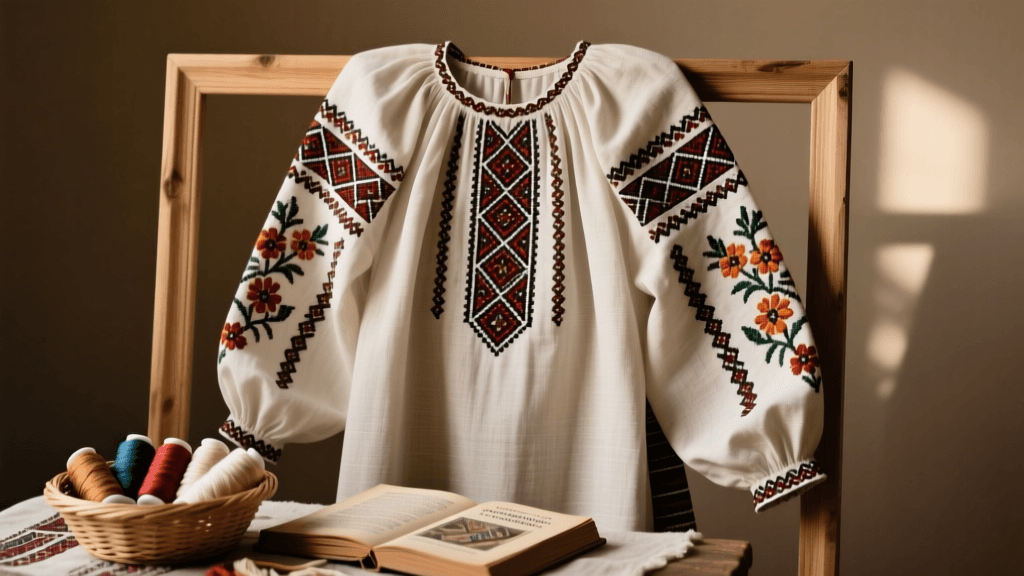
Before evaluating embroidery, one must understand the canvas. The traditional vyshyvanka is constructed from rectangular pieces of woven fabric, primarily linen or hemp, to ensure zero waste during the cutting process. This geometric constraint directly influenced the development of Eastern European folk dress silhouettes.
- The Ustavka (Shoulder Insert): A rectangular piece of fabric connecting the front and back panels over the shoulder. This is the primary canvas for the most complex and protective embroidery motifs.
- The Lakhmistka (Gusset): A diamond or square piece of fabric inserted under the arm to provide mobility. Often embroidered with smaller geometric protective symbols.
- The Stand Collar vs. Fold-Down Collar: Regional preferences dictate the neckline. Carpathian mountain regions often favor a gathered, fold-down collar with long ties, while central plains regions prefer a structured stand collar.
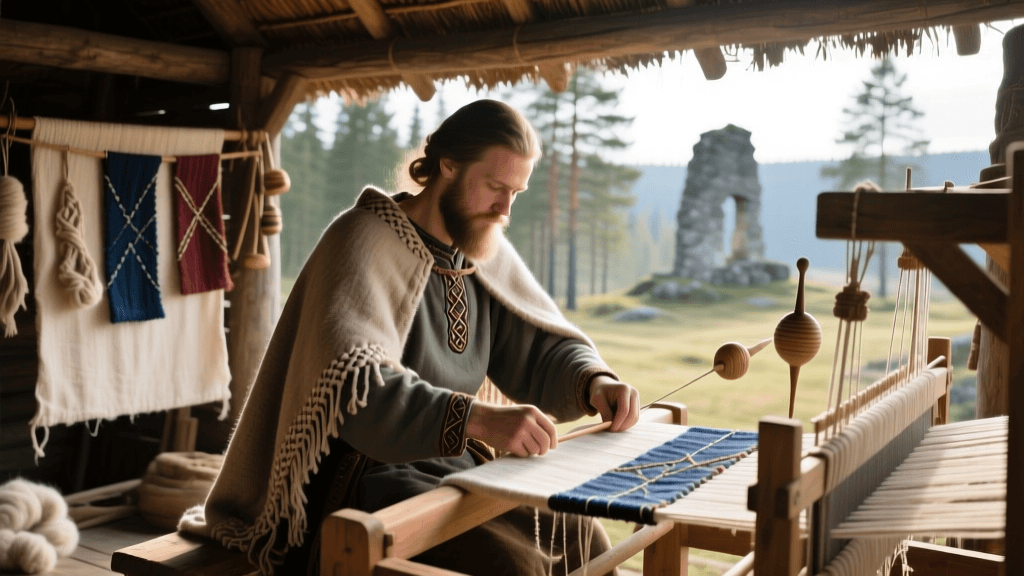
In 2026, the most prized authentic shirts are woven on traditional wooden looms, resulting in a slightly irregular, textured linen that absorbs natural dyes and supports heavy embroidery threads without warping.
Regional Motif Guide: Decoding the Stitches
Ukrainian embroidery is not a monolith; it is a highly localized language. As noted in extensive cultural analyses by BBC Culture, the motifs serve as regional identifiers and protective talismans, with techniques passed down through generations of village artisans.
Poltava: The Elegance of White-on-White
The Poltava region in central Ukraine is world-renowned for its 'white-on-white' (bila po bilomu) embroidery. This highly sophisticated technique relies on texture and shadow rather than color contrast. Artisans utilize over 100 distinct stitches, including intricate cutwork (merezhka), hemstitching, and satin stitch. The motifs are predominantly floral and geometric, inspired by the natural world, such as guelder rose (kalyna) branches and oak leaves. In 2026, Poltava white-on-white shirts remain the most time-consuming to produce, often requiring upwards of 200 hours of hand-stitching per garment.
Hutsul: Carpathian Geometry and Vibrant Hues
Originating from the Hutsulshchyna region in the Carpathian Mountains, Hutsul embroidery is immediately recognizable by its dense, vibrant geometric patterns. The primary colors are deep reds, blacks, and bright yellows, occasionally accented with green or blue. The dominant technique is nyzynka (surface darning), which creates a reversible, highly textured geometric pattern that almost resembles woven fabric. Motifs include eight-pointed stars (the Star of Svarog), rhombuses, and stylized mountain peaks. The sheer density of the cross-stitch and nyzynka in Hutsul shirts makes them heavy, durable, and visually striking.
Bukovyna: Metallic Threads and Beadwork
Located in the southwest, the Bukovyna region showcases a blend of Slavic, Balkan, and Central European influences. Bukovynian folk dress is characterized by the incorporation of metallic threads, sequins, and glass beads alongside traditional cotton and wool threads. The embroidery often features bold, stylized floral motifs, particularly roses and carnations, framed by heavy geometric borders. The use of beadwork catches the light, making these shirts highly sought after for contemporary evening wear and formal cultural events.
Chernihiv: Minimalist Red and Black
Northern Ukraine, particularly the Chernihiv region, favors a more restrained, minimalist aesthetic. The embroidery is often concentrated in narrow, dense bands along the collar, cuffs, and the central front slit (pazukha). Using primarily red and black threads, the motifs feature ancient agrarian symbols, such as sowing patterns and stylized birds, executed in precise cross-stitch and running stitches (zavolikannya).
Sourcing Authentic Pieces: The 2026 Buyer's Guide
The global appreciation for Eastern European folk dress has unfortunately led to a market flooded with machine-embroidered imitations. While these may be attractive, they lack the structural integrity, historical accuracy, and cultural soul of a hand-stitched garment. When sourcing an authentic vyshyvanka in 2026, buyers must employ the 'wrong side' test.
The Wrong Side Test: Turn the garment inside out. Machine embroidery relies on a continuous bobbin thread, leaving a messy, flat, or distinctly different pattern on the reverse side. True hand embroidery, particularly techniques like nyzynka or traditional cross-stitch, will look nearly identical on both sides, or will show deliberate, neat thread paths without the use of a backing stabilizer. Furthermore, authentic hand-loomed linen will have slight irregularities in the weave, whereas factory-made cotton-poly blends will appear uniformly flat.
As highlighted by fashion historians covering the global integration of traditional garments via CNN Style, modern designers and heritage brands are increasingly collaborating directly with village artisans, ensuring fair wages and the survival of these techniques.
2026 Artisan Pricing & Cooperative Sourcing Table
Pricing for authentic, hand-embroidered Eastern European folk dress reflects the hundreds of hours of skilled labor required. Below is a comparative guide to expected market prices when sourcing directly from verified artisan cooperatives and heritage ateliers in 2026.
| Region / Style | Primary Technique | 2026 Price Range (USD) | Estimated Lead Time |
|---|---|---|---|
| Poltava (White-on-White) | Cutwork, Hemstitch, Satin | $450 - $850 | 6 - 12 Weeks |
| Hutsul (Carpathian) | Nyzynka, Dense Cross-Stitch | $300 - $550 | 4 - 8 Weeks |
| Bukovyna (Beaded) | Cross-Stitch, Glass Beads | $500 - $950 | 8 - 14 Weeks |
| Chernihiv (Minimalist) | Zavolikannya, Running Stitch | $250 - $400 | 3 - 6 Weeks |
Note: Prices vary based on the fineness of the linen thread count and the use of historically accurate natural dyes versus modern colorfast cotton threads.
Care and Maintenance of Hand-Embroidered Linen
Preserving a hand-stitched vyshyvanka requires specific care to maintain the three-dimensional texture of the embroidery and the integrity of the hand-loomed fibers.
- Washing: Never machine wash an authentic piece. Hand wash in lukewarm water (never hot, to prevent linen shrinkage) using a pH-neutral, gentle detergent. Avoid soaking for extended periods, especially with red and black natural dyes.
- Drying: Do not wring the fabric. Gently press out excess water and roll the shirt in a clean, dry cotton towel to absorb moisture. Lay flat to dry away from direct sunlight, which can fade historical thread colors.
- Ironing: Iron the garment while it is still slightly damp. Crucially, always iron on the reverse side over a thick, damp pressing cloth. This prevents the iron from crushing the raised stitches and preserves the tactile relief of the embroidery.
Contemporary Wardrobe Integration
In 2026, the vyshyvanka is not relegated to museum displays or annual folk festivals; it is a dynamic component of modern wardrobes. A Hutsul nyzynka shirt pairs exceptionally well with tailored, high-waisted wool trousers and leather boots for a grounded, autumnal aesthetic. Conversely, a delicate Poltava white-on-white blouse serves as a striking, textured alternative to a standard silk blouse when layered under a minimalist blazer or paired with wide-leg linen trousers in the summer.
By understanding the regional motifs, structural anatomy, and proper sourcing techniques, collectors and enthusiasts can confidently acquire pieces of Eastern European folk dress that are not only beautiful garments but vital links to a living, breathing cultural heritage.