Ukrainian Vyshyvanka Guide 2026: Regional Embroidery & Sourcing
The Enduring Legacy of the Vyshyvanka in 2026
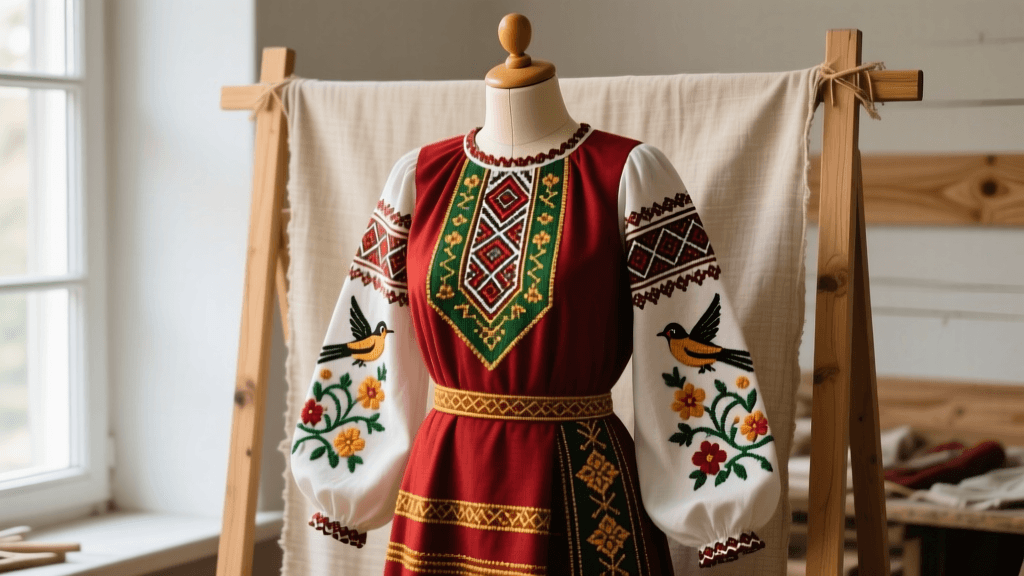
The Ukrainian vyshyvanka (embroidered shirt) is far more than a traditional garment; it is a profound cultural artifact, a symbol of national resilience, and a masterpiece of Eastern European textile art. As we navigate the fashion landscape of 2026, the vyshyvanka has transcended its role as a mere festival costume to become a staple of contemporary, sustainable wardrobes worldwide. The global appreciation for slow fashion and traceable artisan craftsmanship has elevated the demand for authentic, hand-embroidered Slavic folk dress to unprecedented heights.
According to cultural preservation advocates at the Ukrainian Institute, the modern revival of the vyshyvanka is deeply rooted in a return to historical accuracy. In 2026, collectors and fashion enthusiasts are moving away from mass-produced, machine-stitched imitations, favoring instead the intricate, time-honored techniques passed down through generations of rural artisans. Understanding the regional nuances of these garments is essential for anyone looking to invest in a genuine piece of Eastern European heritage.
Decoding Regional Embroidery: A 2026 Field Guide
Ukraine’s vast geographic and cultural diversity has given rise to dozens of distinct embroidery traditions. The motifs, color palettes, and stitching techniques vary dramatically from the northern forests of Polissya to the rugged peaks of the Carpathian Mountains. Below, we explore the most prominent regional styles that dominate the authentic market today.
Poltava: The Elegance of White-on-White
The Poltava region is world-renowned for its bila po bilomu (white-on-white) embroidery. This technique relies not on color contrast, but on the interplay of light, shadow, and texture. Artisans use complex hemstitching (lyshva), cutwork (brodivka), and satin stitches to create delicate, ethereal geometric and floral patterns. In 2026, authentic Poltava shirts are highly sought after for their sheer elegance and the immense skill required to execute them, often taking a master artisan over 200 hours to complete a single garment.
Hutsulshchyna: Carpathian Geometry and Beadwork
Originating from the Hutsul people of the Carpathian Mountains, Hutsul embroidery is vibrant, dense, and heavily geometric. Traditional colors include deep madder red, woad blue, and vibrant green, often accented with metallic threads and intricate glass beadwork (bisер). The motifs frequently feature stars, mountains, and the tree of life, serving historically as talismans for protection against the harsh mountain elements. The heavy wool and dense linen used in Hutsul garments make them incredibly durable and highly textured.
Kyiv Region: Stylized Flora and Fauna
The embroidery of the Kyiv region and central Ukraine is characterized by stylized, rhythmic floral patterns and climbing vines. Predominantly featuring red and black threads on natural white or grey linen, these designs utilize the zavolikannya (running stitch) and cross-stitch techniques. The red symbolizes life, energy, and the sun, while black represents the earth and the sorrow of historical hardships. These shirts are the most widely recognized globally and serve as the foundational template for many modern interpretations.
Bukovyna: The Opulence of Cross-Stitch and Sequins
Bordering Romania, the Bukovyna region showcases a lavish, multi-colored aesthetic heavily influenced by Balkan textile traditions. Bukovynian blouses are famous for their dense cross-stitch, vibrant color blocking, and the liberal use of sequins, metallic threads, and coral beads. The sleeves are often heavily embroidered from shoulder to cuff, creating a striking visual impact that has made Bukovynian pieces highly prized by vintage collectors and high-fashion archivists in 2026.
2026 Market Guide: Authentic Handmade vs. Mass-Produced
As the popularity of Slavic folk dress has surged, so has the market for factory-made replicas. Distinguishing between an authentic, handcrafted heirloom and a mass-produced print is critical for collectors. Genuine hand-embroidery features slight, natural irregularities on the reverse side of the fabric, whereas machine embroidery often utilizes a continuous, perfectly uniform backing thread (often a stark white or black synthetic mesh).
Furthermore, the 2026 market has seen a massive shift toward organic, naturally dyed materials. Premium artisans are returning to heritage flax and hemp blends, dyed with onion skins, walnut husks, and madder root. Below is a comprehensive comparison of regional styles and their current market valuations for authentic, handmade pieces.
| Region | Primary Colors | Key Motifs | Signature Stitch | 2026 Avg. Price (Handmade) |
|---|---|---|---|---|
| Poltava | White-on-White | Geometric, Flora | Lyshva (Hemstitch) | $500 - $850 USD |
| Hutsulshchyna | Red, Black, Green | Stars, Mountains | Cross-stitch, Beadwork | $350 - $600 USD |
| Kyiv | Red, Blue, Black | Stylized Vines | Zavolikannya | $250 - $450 USD |
| Bukovyna | Multi-color, Gold | Floral, Sequins | Satin Stitch | $400 - $700 USD |
Sourcing Authentic Pieces: Where to Buy in 2026
Procuring a genuine vyshyvanka requires navigating beyond standard commercial marketplaces. In 2026, the most reliable method for sourcing authentic pieces is through direct-to-artisan cooperatives and specialized cultural institutions. Organizations dedicated to the preservation of intangible cultural heritage, such as those recognized by UNESCO's Intangible Cultural Heritage frameworks, often partner with rural guilds to bring these textiles to the global market fairly.
When purchasing, look for cooperatives based in Lviv, Kosiv, or Kyiv that provide certificates of authenticity, detailing the artisan's name, the village of origin, and the specific natural dyes used. Avoid fast-fashion retailers offering 'embroidered blouses' for under $50; these are invariably machine-made, often utilizing synthetic poly-blend fabrics that lack the breathability and historical accuracy of traditional linen.
Contemporary Styling and Wearability
The beauty of the vyshyvanka lies in its remarkable adaptability. In 2026, fashion stylists emphasize integrating these heritage pieces into everyday, modern wardrobes rather than reserving them solely for cultural holidays. A delicate Poltava white-on-white blouse pairs effortlessly with tailored wide-leg trousers or a sleek midi skirt for a sophisticated office look. Conversely, a heavy, bead-encrusted Hutsul shirt can be layered over a modern turtleneck or paired with raw denim for a striking, bohemian-casual aesthetic.
For men, the traditional chumachka (a looser, side-slit tunic) has been reimagined by contemporary Eastern European designers as a luxurious summer resort shirt, crafted from lightweight, naturally dyed hemp and featuring subtle, tonal embroidery along the collar and cuffs.
Garment Care: Preserving Heirloom Textiles
Authentic hand-embroidered garments are investment pieces that require meticulous care to ensure they survive for future generations. The techniques used to preserve these textiles are as vital as the techniques used to create them. For a deeper understanding of historical textile conservation, resources like Britannica's comprehensive guide to embroidery offer excellent foundational knowledge on thread preservation.
- Washing: Never machine wash a handmade vyshyvanka. Hand wash in cool water (below 30°C) using a pH-neutral, organic detergent specifically formulated for delicate natural fibers. Do not wring or twist the fabric; instead, gently press the water out and roll the garment in a clean, dry cotton towel to absorb excess moisture.
- Drying: Always dry the garment flat in the shade. Direct sunlight will rapidly degrade natural dyes and cause the linen fibers to become brittle over time.
- Ironing: Iron the garment while it is still slightly damp. Always iron on the reverse side of the embroidery, placing a thick, soft cotton cloth underneath to prevent crushing the three-dimensional texture of the stitches and beadwork.
- Storage: Store folded in acid-free tissue paper inside a breathable cotton bag. Avoid plastic covers, which can trap moisture and lead to mildew or yellowing of the natural linen.
Conclusion
The Ukrainian vyshyvanka remains one of the most visually stunning and culturally significant garments in the European folk dress canon. As we move through 2026, the conscious shift toward slow, meaningful fashion has rightfully placed these masterpieces of Slavic craftsmanship in the global spotlight. By understanding the distinct regional dialects of embroidery—from the ethereal white-on-white of Poltava to the vibrant, protective geometry of the Carpathians—collectors and enthusiasts can make informed, respectful investments. Wearing a genuine, hand-stitched vyshyvanka is not merely a fashion choice; it is an act of cultural preservation, carrying the stories, resilience, and artistry of Eastern Europe into the future.