Authentic Slavic Vyshyvanka & Balkan Dress Guide 2026
The 2026 Renaissance of Eastern European Folk Dress
In 2026, the global slow fashion movement has fully embraced the intricate craftsmanship of Eastern European and Balkan folk dress. Moving beyond mere costume, traditional Slavic garments and Balkan accessories are now celebrated for their sustainable production methods, zero-waste pattern cutting, and deep cultural narratives. For collectors, cultural historians, and ethical fashion enthusiasts, sourcing authentic pieces requires an understanding of regional nuances, traditional techniques, and the modern artisan cooperatives keeping these heritage crafts alive.
According to Europeana's fashion archives, the preservation of regional European textiles has seen a massive digitization and revival effort over the last few years, culminating in the 2026 surge of demand for verifiable, artisan-made heritage garments. This guide focuses on two cornerstones of Eastern European folk dress: the Ukrainian vyshyvanka and the traditional Balkan opanci footwear, providing you with actionable sourcing advice, pricing expectations, and care instructions for the current market.
The Ukrainian Vyshyvanka: Heritage Meets 2026 Sustainability
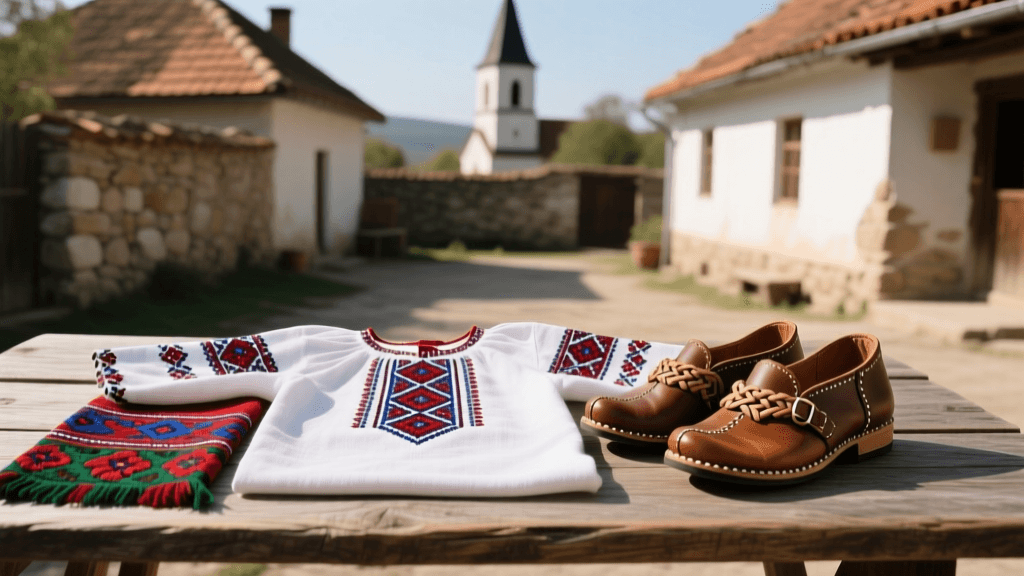
The vyshyvanka (embroidered shirt) is the most recognizable element of Ukrainian folk dress. In 2026, the market has shifted decisively away from mass-produced, machine-embroidered imitations toward authentic, hand-loomed linen garments dyed with natural botanical pigments. Artisans are returning to ancestral methods, using madder root for deep reds, woad for blues, and weld for vibrant yellows.
When sourcing a genuine vyshyvanka today, buyers must look for specific structural and decorative hallmarks. The embroidery is not merely decorative; it is a codified language of protective symbols. Geometric diamonds represent fertility and agricultural abundance, while stylized oak leaves symbolize strength and masculine energy. The placement of the embroidery—concentrated on the cuffs, collar, and chest placket—was historically designed to protect the body's openings from negative energies.
Regional Variations to Look For
- Poltava Region: Famous for the 'white-on-white' (bila po bilomu) technique. In 2026, Poltava artisans are highly sought after for their subtle, textural cutwork and satin stitch embroidery, which commands a premium price due to the immense skill required.
- Hutsul Region (Carpathians): Characterized by dense, vibrant geometric patterns heavily featuring red, black, and yellow cross-stitch. Hutsul shirts often incorporate intricate beadwork (zhyvytsia) and are heavily structured.
- Bukovina Region: Known for incorporating metallic threads and heavy woolen accents, reflecting the cooler mountain climate and historical trade routes.
Balkan Opanci: Traditional Footwear for the Modern Wardrobe
While the vyshyvanka represents the pinnacle of Slavic textile arts, the Balkan Peninsula offers a masterclass in traditional leatherworking through the opanci (singular: opanak). Historically the peasant footwear of Serbia, Montenegro, North Macedonia, and parts of Croatia, the opanci is a soft-soled, woven leather shoe that has experienced a remarkable revival in 2026 urban and festival fashion.
Modern cobblers in the Balkans have adapted the opanci for contemporary wear without sacrificing its historical integrity. By integrating ergonomic, vegetable-tanned leather insoles and utilizing traditional pletene (weaving) techniques for the upper, today's opanci offer a breathable, durable, and distinctly stylish alternative to mass-market leather loafers.
Anatomy of the Opanci
Authentic 2026 opanci are constructed using a single piece of high-quality, locally sourced rawhide or vegetable-tanned leather for the sole, which is softened and shaped over a wooden last. The upper is created by weaving thin strips of leather through slits cut into the sole's perimeter. The defining feature of the traditional Serbian opanak is the curled, upward-pointing toe, known as the kljun (beak). While some modern iterations flatten the toe for urban walking, heritage purists and cultural preservationists actively seek out the traditional curled toe, which historically prevented tripping on rough, mountainous terrain and protected the toes from rocks and roots.
The UNESCO Intangible Cultural Heritage frameworks have increasingly highlighted the importance of preserving such ancestral leatherworking techniques, ensuring that the specialized knowledge of the opancar (cobbler) is passed down to the 2026 generation of artisans.
Sourcing Guide: Where to Buy Authentic Slavic and Balkan Garments
Navigating the 2026 market requires knowing where to look. Below is a comparative breakdown of sourcing channels for Eastern European folk dress, detailing current pricing, authenticity markers, and the best use cases for each method.
| Sourcing Channel | Garment Focus | 2026 Avg. Price Range (USD) | Authenticity Level | Best For |
|---|---|---|---|---|
| Direct Artisan Cooperatives | Hand-loomed Vyshyvanka | $250 - $600+ | Highest (Bespoke) | Collectors, cultural preservationists, ethical fashion buyers |
| Heritage Brands (Kyiv/Belgrade) | Modernized Opanci & Linen | $120 - $350 | High (Standardized) | Everyday wear, urban slow-fashion enthusiasts |
| Regional Folk Festivals | Accessories, Belts, Wreaths | $40 - $150 | Variable | Tourists, souvenir hunters, supplementary styling pieces |
| Curated Vintage Archives | Pre-1980s Antique Pieces | $300 - $1,200+ | Highest (Historical) | Museums, archivists, high-end vintage collectors |
When purchasing directly from artisan cooperatives in Ukraine or the Balkans, always request a certificate of origin or a maker's mark. In 2026, reputable cooperatives provide digital provenance tracking, allowing you to see the specific artisan who wove the linen or carved the wooden last for your footwear. For those exploring broader historical contexts, the Victoria and Albert Museum's fashion collections offer excellent visual references for identifying authentic historical stitching and leather tooling patterns when evaluating vintage pieces.
Care and Maintenance for Heritage Textiles and Leather
Investing in authentic Eastern European folk dress requires a commitment to proper maintenance. The natural materials used in 2026 heritage garments—unbleached linen, botanical dyes, and vegetable-tanned leather—are highly durable but demand specific care routines that differ vastly from modern synthetic garments.
Washing and Storing Linen
Authentic hand-loomed linen used for the vyshyvanka should never be machine washed. The agitation can break the delicate, uneven fibers of the hand-spun yarn and distort the tension of the embroidery.
- Washing: Hand wash in lukewarm water (never exceeding 30°C or 86°F) using a pH-neutral, enzyme-free detergent. Botanical dyes, particularly woad and madder, are sensitive to alkaline environments and will bleed or fade if exposed to standard modern laundry detergents.
- Drying: Never wring the garment. Press out excess water by rolling the shirt in a clean, dry cotton towel. Lay flat to dry in the shade. Direct sunlight will rapidly degrade natural dyes and weaken the linen fibers over time.
- Ironing: Iron the garment while it is still slightly damp, using a medium-high heat setting. Always iron on the reverse side of the embroidery, placing a thick towel underneath to prevent crushing the three-dimensional texture of the cross-stitch and cutwork.
- Storage: Store in a cool, dry place wrapped in unbleached cotton or acid-free tissue paper. Avoid plastic garment bags, which trap moisture and promote mildew growth on natural fibers.
Conditioning Balkan Leather
The vegetable-tanned leather of the opanci is porous and reacts to environmental moisture. To maintain the structural integrity of the woven upper and the flexibility of the rawhide sole, a strict conditioning regimen is necessary.
- Cleaning: Wipe away surface dirt with a slightly damp, soft-bristled brush. Avoid soaking the leather, as water will cause the rawhide sole to stiffen and crack upon drying.
- Conditioning: Every three to four months, apply a high-quality, beeswax-based leather conditioner. Beeswax provides a breathable, water-resistant barrier that nourishes the leather without clogging its natural pores. Avoid petroleum-based products or silicone sprays, which will degrade the traditional tannins and cause the leather to rot from the inside out.
- Shaping: When not in use, stuff the opanci with cedar shoe trees or unbleached cotton to maintain the shape of the woven upper and absorb internal moisture.
Conclusion
The 2026 landscape of Eastern European folk dress is a testament to the resilience and enduring beauty of Slavic and Balkan craftsmanship. By understanding the regional distinctions of the vyshyvanka, appreciating the functional artistry of the opanci, and committing to ethical sourcing and meticulous care, collectors and enthusiasts can actively participate in the preservation of these profound cultural traditions. Whether you are acquiring a white-on-white Poltava shirt or a pair of hand-woven Serbian leather shoes, you are investing in a living history that continues to evolve while honoring its ancestral roots.