Eastern European & Balkan Embroidered Blouse Guide 2026
The Enduring Legacy of Slavic and Balkan Embroidered Blouses
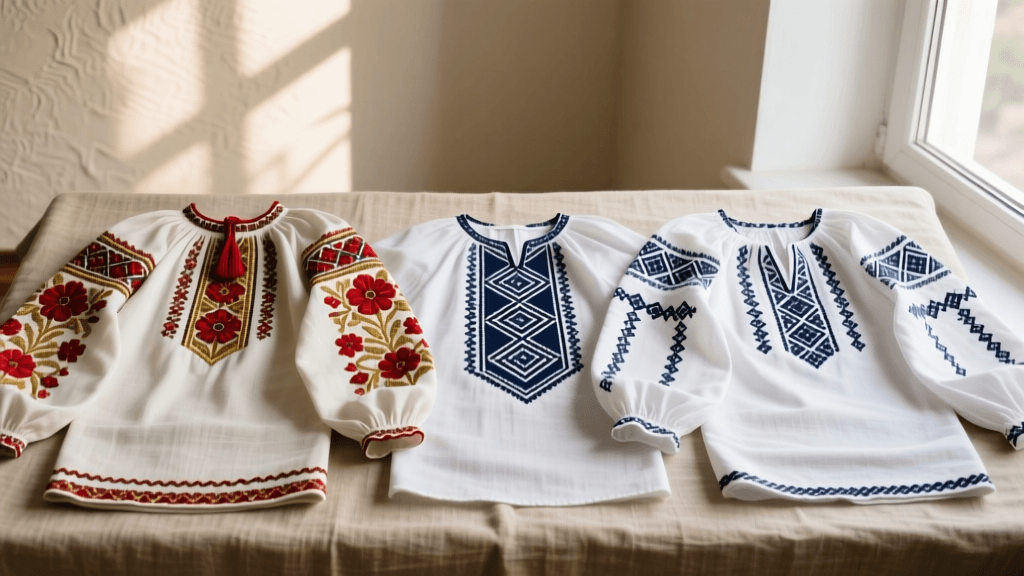
In 2026, the intersection of sustainable fashion, cultural reclamation, and heritage preservation has placed Eastern European and Balkan folk dress at the forefront of the global artisan textile market. Far from being mere historical costumes, traditional embroidered blouses—such as the Ukrainian Vyshyvanka, the Romanian and Moldovan Ie, and the Bulgarian Shevitsa—are living garments. They represent centuries of coded symbolism, regional identity, and masterful loom and needle techniques. For collectors, cultural enthusiasts, and conscious consumers, understanding the nuances of these garments is essential to navigating the modern market and supporting authentic artisan cooperatives.
Unlike the fast-fashion replicas that flooded online marketplaces in the early 2020s, the 2026 heritage textile movement prioritizes hand-loomed hemp, organic flax, and natural botanical dyes. This comprehensive guide will help you decode the regional variations, understand the structural anatomy of these blouses, and confidently source authentic pieces directly from master artisans across Eastern Europe and the Balkans.
The Ukrainian Vyshyvanka: Regional Codes and Techniques
The Vyshyvanka is perhaps the most globally recognized symbol of Ukrainian cultural identity. However, treating it as a single, uniform garment does a disservice to the vast regional diversity of its embroidery. In 2026, master weavers in Lviv, Kyiv, and the Carpathian regions are experiencing a renaissance, reviving nearly lost 19th-century stitching techniques that go far beyond simple cross-stitch.
Poltava: The Elegance of White-on-White
The Poltava region is famous for its bila po bilomu (white-on-white) embroidery. This highly sophisticated technique relies on texture and shadow rather than color contrast. Artisans use complex cutwork (lyshva) and satin stitches to create intricate geometric and floral patterns that catch the light. A genuine Poltava blouse from a 2026 artisan cooperative can take over 100 hours to complete, making it one of the most expensive and sought-after variations on the market.
Hutsul: Carpathian Geometry and Vibrant Hues
Originating from the Hutsul people of the Carpathian Mountains, this style is characterized by dense, vibrant geometric patterns. Traditional Hutsul embroidery heavily features red, black, and metallic gold or brass threads. The motifs often include stylized solar signs, fir trees, and rhombuses, which historically served as protective talismans against mountain spirits and harsh weather.
Bukovina: Metallic Threads and Beadwork
Bukovina blouses are distinguished by their opulent use of metallic threads, sequins, and glass seed beads. The embroidery often incorporates heavy floral motifs, and the sleeves are typically gathered with elaborate, multi-colored woven cuffs. In 2026, Bukovina artisans are increasingly sourcing vintage glass beads from European antique markets to maintain historical accuracy in their bespoke commissions.
The Romanian and Moldovan Ie: The Altita Tradition
The Romanian Ie (pronounced 'ee-eh') is a masterclass in structural symbolism. The blouse is not just decorated; its very architecture tells a story of the wearer's village, marital status, and social standing. The most critical element of the Ie is the Altita, the heavily embroidered rectangular panel on the shoulder.
According to the UNESCO Intangible Cultural Heritage registry, the tradition of the Altita is a vital element of cultural identity in both Romania and the Republic of Moldova. The shoulder panel represents the sky and the heavens, while the vertical bands flowing down the sleeve, known as râuri (rivers), represent the flow of life and water from the mountains to the plains.
When sourcing an authentic Ie in 2026, buyers should look for the increț, the horizontal gathering below the Altita that symbolizes the earth and agriculture. The National Museum of the Romanian Peasant in Bucharest remains the gold standard for archival reference, and their affiliated artisan networks are the safest route for acquiring museum-quality reproductions woven on traditional wooden looms.
The Balkan Touch: Bulgarian Shevitsa
Moving south into the Balkans, the Bulgarian Shevitsa (embroidery) offers a distinctly different aesthetic, heavily rooted in ancient Thracian and Slavic pagan symbolism. Bulgarian folk blouses and aprons feature strict geometric patterns, with the Elbetitsa (an eight-pointed star) being the most prominent motif, symbolizing the four cardinal directions and the protection of the family hearth.
Color theory in Bulgarian Shevitsa is highly regulated by tradition. Red is the dominant color, representing life, fertility, and the blood of ancestors. Green symbolizes the eternal cycle of nature, while black represents the earth. In 2026, contemporary Balkan weavers are reviving the use of natural dyes, utilizing madder root for deep reds, weld for vibrant yellows, and woad for indigo blues, ensuring the garments are entirely biodegradable and eco-friendly.
2026 Authenticity Checklist: Handmade vs. Machine-Made
As the demand for Eastern European folk dress has grown, so has the sophistication of commercial imitations. To ensure you are investing in a genuine heritage textile, use this comparison chart to evaluate potential purchases.
| Feature | Authentic Handmade (Artisan) | Commercial Machine-Made |
|---|---|---|
| Fabric Base | Hand-loomed linen or hemp; features slight, natural slubs and irregularities in the weave. | Mass-produced cotton or polyester blend; perfectly uniform, factory-pressed weave. |
| Embroidery Back | Neat, but shows visible thread transitions, traditional knots, and the 'wrong' side of complex stitches. | Perfectly uniform, often backed with fused stabilizer paper or synthetic mesh. |
| Stitch Types | Utilizes regional heritage stitches (e.g., nyz, lyshva, cruce, shevitsa). | Relies almost exclusively on standard digital cross-stitch or flat satin stitch. |
| 2026 Market Price | €250 – €850+ (Reflects weeks of manual labor and heritage materials). | €30 – €80 (Mass-produced in overseas garment factories). |
| Production Time | 4 to 12 weeks per blouse (Often made-to-order by rural cooperatives). | Minutes per unit. |
Sourcing Heritage Pieces in 2026
If you are looking to add an authentic Vyshyvanka, Ie, or Shevitsa blouse to your collection in 2026, bypass generic e-commerce platforms. Instead, seek out established artisan cooperatives and cultural institutions. In Ukraine, platforms supported by the Ministry of Culture and various heritage NGOs connect international buyers directly with rural weaving collectives in the Carpathians and Poltava regions. In Romania, purchasing directly from workshops affiliated with the National Museum of the Romanian Peasant guarantees that your money supports master artisans who are actively preserving the Altita tradition.
When commissioning a piece, expect a dialogue with the artisan. True masters will ask about your preferred regional motifs, offer swatches of their hand-spun linen, and provide a timeline that respects the slow, methodical pace of traditional needlework.
Archival Care for Hand-Loomed Textiles
Owning a piece of Eastern European folk dress comes with the responsibility of proper preservation. Hand-loomed linen and hemp are incredibly durable, but the natural botanical dyes and metallic threads require specific care to prevent fading and degradation.
According to the Victoria and Albert Museum textile conservation guidelines, heritage textiles should never be subjected to harsh chemical detergents or high-heat machine washing. For your Vyshyvanka or Ie, follow these 2026 best practices:
- Washing: Hand wash in cold water using a pH-neutral, conservation-grade textile soap. Never wring or twist the fabric, as this can warp the hand-loomed weave and distort the embroidery tension.
- Drying: Roll the blouse in a clean, white cotton towel to gently press out excess moisture. Lay it flat to dry in a shaded, well-ventilated area. Direct sunlight will rapidly fade natural dyes like madder and woad.
- Ironing: Iron the garment while it is still slightly damp, using a medium heat setting. Always iron on the reverse side of the embroidery, placing a thick cotton towel underneath to prevent the stitches from being crushed flat.
- Storage: Store the blouse flat in an acid-free archival box lined with unbleached muslin. Avoid wire hangers, which can stretch the delicate shoulder seams and distort the Altita panels over time.
Conclusion
The Eastern European and Balkan embroidered blouse is far more than a garment; it is a wearable archive of history, spirituality, and masterful craftsmanship. By understanding the distinct regional languages of the Vyshyvanka, the Ie, and the Shevitsa, buyers in 2026 can make informed, ethical purchases that support the survival of these magnificent textile traditions for generations to come.