Hardangerbunad Styling 2026: Modern Revival & Sourcing Guide
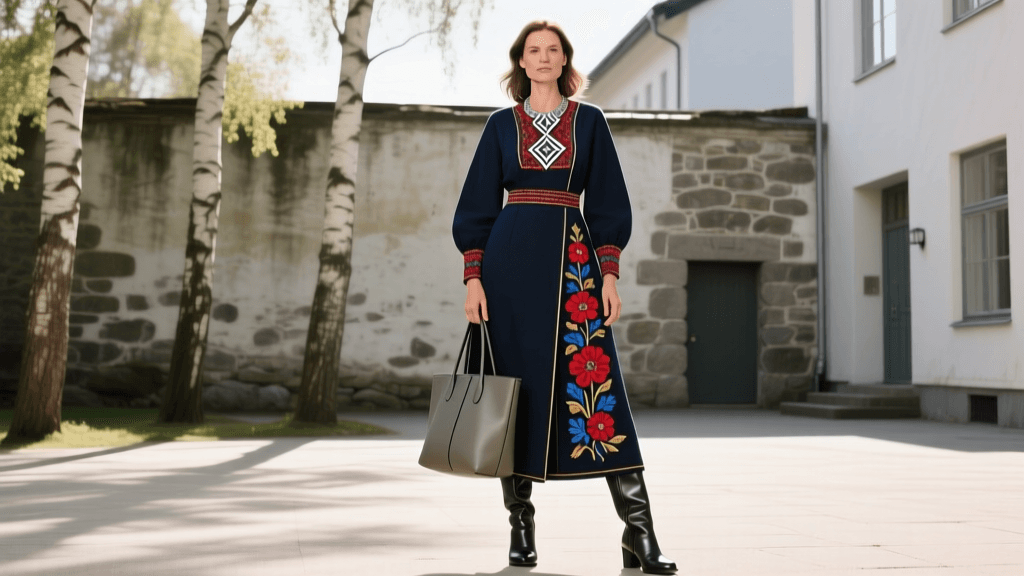
The European Folk Dress Revival: Entering 2026
The European folk dress revival has reached a sophisticated zenith in 2026. No longer confined to national holidays or rural festivals, traditional garments are being reimagined for the contemporary wardrobe through the lens of slow fashion and heritage preservation. Among the most striking and highly sought-after garments in this movement is the Norwegian bunad, specifically the intricate and breathtaking Hardangerbunad. Originating from the Hardanger fjord region, this garment represents a masterclass in textile artistry, featuring distinctive whitework embroidery, rich wool skirts, and elaborate silver jewelry.
As we navigate the fashion landscape of 2026, integrating a Hardangerbunad into a modern wardrobe requires a delicate balance. The goal is to honor the garment's profound historical roots while styling it in a way that feels elegant, intentional, and relevant for today's cultural events, weddings, and heritage celebrations. This guide provides actionable advice on sourcing, tailoring, and styling the Hardangerbunad for the modern era.
Anatomy of the Hardangerbunad
Before attempting to style the garment, one must understand its core components. The Hardangerbunad is not a single uniform, but a regional tradition with specific recognizable elements. According to the Norsk Institutt for Bunad og Folkedrakt, the authenticity of a bunad relies on strict adherence to regional patterns and historical construction methods.
- The Skirt: Typically made of black, navy, or deep green wool, featuring a woven band at the hem.
- The Apron: The defining feature of the Hardangerbunad. It is made of white linen or cotton and showcases Hardangersøm (Hardanger embroidery), a meticulous whitework technique involving counted-thread patterns, satin stitches, and needleweaving.
- The Bodice (Liv): Often crafted from rich silk or fine wool, heavily embroidered with floral motifs native to the Hardanger region, and laced with silver chains or silk ribbons.
- The Silver (Sølv): A crucial element. A traditional outfit includes a large breast piece (sølje), belt buckles, cufflinks, and shoe buckles, often featuring oxidized silver and hanging spoon-shaped pendants.
Sourcing and Commissioning in 2026
Acquiring an authentic Hardangerbunad is an investment in wearable art. In 2026, the demand for heritage garments has driven up the cost of raw materials, particularly high-grade European wool and sterling silver. If you are commissioning a new piece, expect to work with certified artisans affiliated with organizations like the Norwegian Museum of Cultural History or regional craft guilds.
Pricing and Lead Times
As of early 2026, a complete, custom-tailored women's Hardangerbunad ranges from 38,000 to 50,000 NOK (approximately $3,600 to $4,700 USD). The silver jewelry can add another 15,000 to 25,000 NOK depending on the weight and complexity of the sølje. Men's bunads, which feature embroidered waistcoats and breeches, generally cost between 25,000 and 35,000 NOK. Due to the meticulous hand-embroidery required for the apron, lead times for a newly commissioned piece currently average 12 to 18 months.
Contemporary Styling: Bridging Centuries
The key to wearing a Hardangerbunad in 2026 without appearing as though you are wearing a theatrical costume lies in the details: fit, fabric choices for the undergarments, and modernized outerwear pairings.
The Modern Silhouette and Measurements
Historically, bunad skirts were worn quite long, often grazing the ankle or the top of the shoe. The 2026 contemporary revival favors a slightly elevated hemline for practicality and modern elegance. When tailoring your skirt, measure from your natural waist to the mid-calf, ensuring the hem falls exactly 4 to 5 inches below the calf's widest point. This length allows the intricate hem band to be visible while pairing seamlessly with modern low-heeled leather boots or traditional silver-buckled pumps.
Rethinking the Blouse and Shift
The traditional under-blouse (skjorte) is usually made of stiff, heavily starched linen. While beautiful, this can feel restrictive during long modern events. Contemporary styling allows for high-thread-count cotton-linen blends that offer the same crisp visual aesthetic but provide greater breathability and comfort. Opt for a blouse with subtle, tonal whitework on the collar and cuffs rather than overwhelming lace, allowing the apron's Hardangersøm to remain the focal point.
Outerwear for the Modern Climate
European weather can be unpredictable. Instead of relying solely on the traditional short, cropped wool cape, modern wearers are pairing their bunads with tailored, minimalist wool overcoats in charcoal or deep navy. A structured, collarless wool coat that falls just below the knee provides warmth without obscuring the bodice embroidery or the silver belt buckle.
Accessorizing with Intent: The Silver Market
Silver jewelry is the soul of the bunad. With global silver prices experiencing significant fluctuations in 2026, investing in bunad silver requires careful consideration. Always look for the 925 sterling hallmark. Contemporary styling suggests a 'less is more' approach to the silver; rather than wearing every inherited piece simultaneously, select a statement sølje (breast pin) weighing around 60 to 80 grams, paired with simple, matching cufflinks. This prevents the outfit from looking overly heavy and allows the textile embroidery to breathe.
Comparative Guide: Traditional vs. Contemporary Styling
To help you visualize the evolution of the garment, here is a breakdown of how styling norms have shifted for the modern wearer.
| Garment Element | Traditional Approach (Pre-2010) | 2026 Contemporary Revival |
|---|---|---|
| Skirt Length | Ankle-grazing, often hiding footwear | Mid-calf drop, showcasing footwear and hem bands |
| Blouse Fabric | Heavy, stiffly starched pure linen | Breathable cotton-linen blends with soft finishes |
| Outerwear | Short, heavily embroidered wool capes | Tailored, minimalist collarless wool overcoats |
| Silver Jewelry | Layered, maximalist, multiple heavy chains | Curated, single statement sølje with matching accents |
| Footwear | Strictly traditional black leather bunad shoes | High-quality leather Chelsea boots or low-block heels |
Garment Care and Archival Storage
A Hardangerbunad is a generational asset. Proper maintenance is critical to preserving the wool and the delicate whitework embroidery. Never dry-clean the embroidered apron; the harsh chemicals can degrade the cotton threads and cause the needleweaving to collapse. Instead, spot-clean with distilled water and a mild, pH-neutral textile soap.
For the wool skirt and bodice, professional dry cleaning is acceptable, but only when necessary. Between wears, air the garments outside in a shaded, breezy area to naturally release odors. To protect against textile pests, which remain a persistent threat to heritage wool, store the disassembled bunad in a breathable cotton garment bag. Layer the folds with acid-free tissue paper to prevent permanent creasing, and include natural cedar blocks or dried lavender sachets to deter moths without introducing harmful chemical fumes.
'The bunad is not a static museum piece; it is a living garment. When we adapt its styling to fit our modern lives while respecting its construction, we ensure the survival of the craft for the next century.' — Textile Conservation Guild, 2026 Symposium.
Conclusion
The Hardangerbunad remains one of Europe's most spectacular examples of regional folk dress. By embracing contemporary styling techniques—adjusting hemlines, modernizing outerwear, and curating silver accessories—you can wear this magnificent garment with confidence and elegance in 2026. Whether you are attending a summer wedding in the fjords or a formal cultural gala abroad, a thoughtfully styled Hardangerbunad bridges the gap between ancestral heritage and modern sophistication, proving that true craftsmanship is entirely timeless.