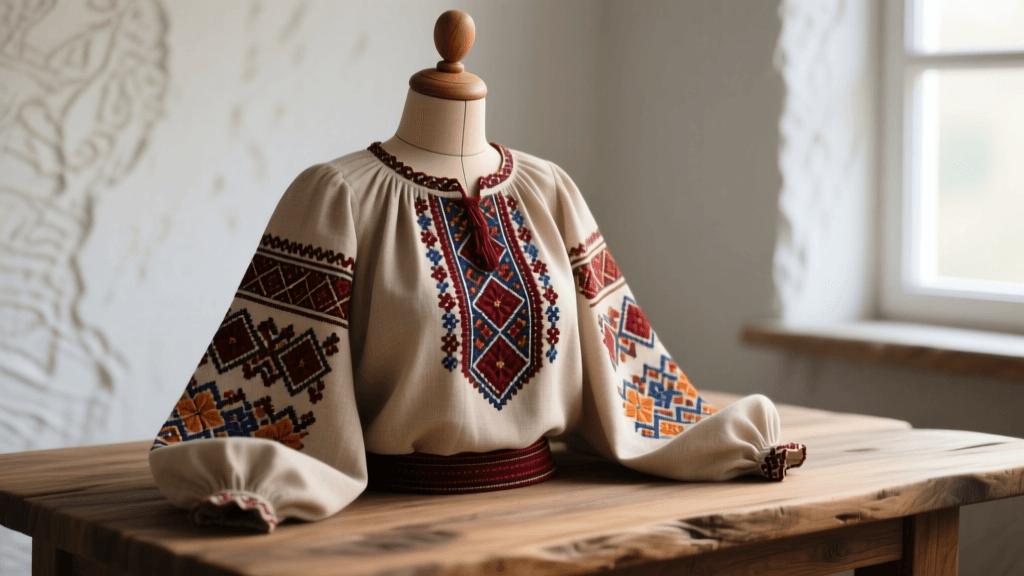
Authentic Vyshyvanka and Ie Blouses 2026: Buyer Guide
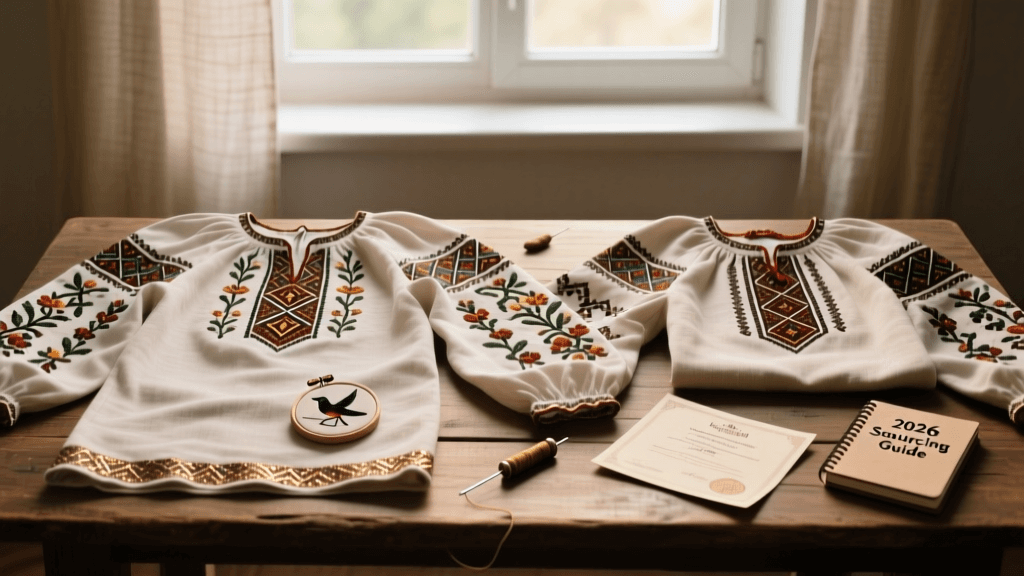
The Enduring Legacy of Slavic and Balkan Textiles in 2026
In the 2026 slow-fashion landscape, the appreciation for heritage garments has reached new heights. Among the most sought-after pieces in the European folk dress revival are the Ukrainian vyshyvanka and the Romanian ie (traditional blouse). These garments are far more than mere clothing; they are wearable archives of Eastern European history, spirituality, and regional identity. However, as global demand for authentic folk textiles has surged, the market has become saturated with mass-produced, machine-embroidered imitations. For collectors, cultural enthusiasts, and conscious consumers, knowing how to identify, source, and care for genuine hand-stitched pieces is essential. This comprehensive guide explores the intricate world of Slavic and Balkan embroidery, offering actionable advice for navigating the 2026 artisan market.
The Anatomy of Authentic Garments: Fabrics and Threads
Before examining the embroidery, one must understand the canvas. Authentic Eastern European folk blouses were traditionally constructed from hand-woven linen or hemp. In 2026, master weavers in regions like Bukovina and Maramureș still use vintage wooden looms to create pânză (homespun cloth), which features a slightly irregular, textured weave that machine-milled fabrics cannot replicate. The weight of the fabric is crucial: summer blouses utilize a lighter, semi-sheer linen, while winter garments and outerwear feature heavier hemp or wool-blend weaves.
The threads used for embroidery are equally significant. Historically, artisans used hand-spun wool, silk, and cotton, dyed with natural botanicals. Madder root produced deep reds, woad yielded blues, and walnut husks created rich browns. Today, while some purist artisans still use natural dyes, high-quality colorfast cotton and silk threads are standard for premium pieces. A genuine 2026 artisan piece will often feature a subtle variation in thread thickness and dye absorption, a hallmark of natural or small-batch spun materials, unlike the uniform, synthetic sheen of factory-made polyester threads.
Decoding the Stitches: Techniques of the Masters
The true value of a vyshyvanka or ie lies in the stitch work. Eastern European embroidery relies on a complex vocabulary of stitches, many of which are mathematically precise and require counting individual threads of the base fabric.
- Cross-Stitch (Khrestyk): The most recognizable stitch in Ukrainian embroidery, particularly from the Hutsul and Pokuttya regions. Authentic hand-cross-stitch will have a distinct texture and slight tension variations that machines cannot mimic.
- Satin Stitch (Hlad): Used for filling in floral and geometric shapes, creating a smooth, raised surface. In the Balkans, this is often padded with underlying threads to create a 3D effect.
- Romanian Stitch (Punctul Românesc): A highly complex, interlocking stitch unique to Romanian and Moldavian folk art. It creates a dense, braided appearance and is notoriously difficult to replicate by machine, making it a prime indicator of hand-craftsmanship.
- Cutwork and Whitework (Rishelieu / Merezhka): Techniques where threads of the base fabric are drawn out and wrapped, or cut and stitched over, creating lace-like geometric patterns. This is prevalent in the Olt and Muntenia regions of Romania.
Regional Variations and Motif Meanings
Motifs in Slavic and Balkan dress are deeply symbolic, serving as talismans for protection, fertility, and health. Understanding these regional variations is key to authenticating and appreciating your garment. The Encyclopedia of Ukraine notes that the placement of embroidery on the cuffs, neckline, and hem was historically designed to protect the body's vulnerable openings from evil spirits.
| Region / Style | Primary Motifs | Color Palette | Distinguishing Features |
|---|---|---|---|
| Hutsul (Ukraine) | Geometric stars, rhombuses, zigzags | Vibrant orange, yellow, green, black | Dense cross-stitch, often incorporating small metallic beads or sequins. |
| Poltava (Ukraine) | Tree of life, floral vines, pheasants | White-on-white, soft blues, pale reds | Heavy use of cutwork, whitework, and satin stitch. Elegant and understated. |
| Olt (Romania) | Vegetal motifs, stylized flowers, birds | Deep red, black, metallic gold/silver | Features the altiță (shoulder panel) and intricate încreț (gathered neck) details. |
| Maramureș (Romania/Ukraine) | Strict geometric patterns, horns, hooks | Black, deep red, natural linen white | Very fine, tight stitching. Motifs often resemble ancient carpentry or ironwork symbols. |
The 2026 Buyer’s Guide: Spotting Authentic Hand-Stitching
With the rise of AI-driven textile manufacturing, machine-embroidered replicas have become increasingly sophisticated. However, there are foolproof methods to verify authenticity when shopping for Eastern European folk dress in 2026.
The 'Wrong Side' Test
The most definitive test of hand-embroidery is examining the reverse side of the fabric. Machine embroidery relies on a continuous bobbin thread, resulting in a messy underside with loose threads, jumps, and a white backing stabilizer. Authentic hand-stitching, particularly cross-stitch and the Romanian stitch, is reversible or nearly identical on the back. The underside should look as neat as the top, with no visible stabilizer paper or synthetic mesh.
Tactile Inspection
Run your fingers over the embroidery. Machine stitching is uniformly flat and rigid due to the high tension of the embroidery hoop and synthetic threads. Hand-stitched garments possess a supple, organic drape. The fabric should bend easily at the embroidered joints, and the threads should feel slightly raised and textured.
2026 Market Pricing and Sourcing Artisans
Sourcing authentic pieces requires moving away from generic souvenir shops and fast-fashion retailers. In 2026, the most reliable method is to purchase directly from artisan cooperatives, specialized cultural NGOs, or verified master craftspeople. The National Museum of the Romanian Peasant in Bucharest frequently hosts artisan fairs and maintains directories of certified textile creators, ensuring fair compensation for rural artisans. Additionally, UNESCO's recognition of traditional textile skills through their Intangible Cultural Heritage lists has spurred the creation of verified guilds that issue certificates of authenticity for hand-woven and hand-stitched garments.
When budgeting for an authentic piece in 2026, expect to pay for the hundreds of hours of labor involved. Here is the current market pricing structure for genuine, hand-crafted blouses:
- Entry-Level Artisan ($150 - $250): Hand-stitched on commercially milled linen or cotton. Simpler motifs, fewer hours of labor. Ideal for everyday cultural wear.
- Mid-Tier Heritage ($300 - $600): Hand-woven base fabric with complex regional motifs. Utilizes traditional stitches like the Romanian stitch or intricate cutwork. Often made by recognized regional artisans.
- Museum / Masterpiece Quality ($800 - $2,000+): Fully hand-spun and hand-loomed hemp or linen. Natural botanical dyes. Hundreds of hours of meticulous, microscopic stitching. These are investment pieces, often commissioned directly from master weavers.
Care and Preservation of Heritage Linens
Proper care is vital to ensure these textiles survive for future generations. Heritage linens and natural dyes require specific maintenance protocols that differ vastly from modern garment care.
Washing
Never machine wash or dry clean an authentic vyshyvanka or ie. Dry cleaning chemicals can strip natural dyes and degrade hand-spun fibers. Instead, hand wash the garment in cool or lukewarm water using a pH-neutral, gentle detergent designed for delicate wools and silks. Do not wring or twist the fabric; gently press the water out and roll the garment in a clean, dry towel to absorb excess moisture.
Ironing and Storage
Iron the garment while it is still slightly damp, using a medium heat setting. Always iron on the reverse side (the 'wrong side') over a thick, clean cotton towel. This prevents the embroidery from being crushed flat and maintains its three-dimensional texture. For storage, avoid wire hangers, which can distort the shoulder seams and cause the heavy embroidery to pull the fabric. Fold the garment using acid-free tissue paper to buffer the folds, and store it in a breathable cotton bag in a cool, dark, and dry environment to prevent mold and UV fading.
Conclusion
The Ukrainian vyshyvanka and the Romanian ie are masterpieces of European folk dress, representing centuries of cultural resilience and artistic ingenuity. By understanding the nuances of regional motifs, mastering the techniques used to spot authentic hand-stitching, and committing to ethical sourcing in 2026, buyers can help preserve these vital textile traditions. Investing in a genuine piece is not merely a fashion choice; it is an act of cultural preservation that supports the rural artisans keeping these ancient skills alive.