The 2026 Guide to Authentic Carpathian Embroidered Blouses
The Resurgence of Carpathian Textile Heritage in 2026
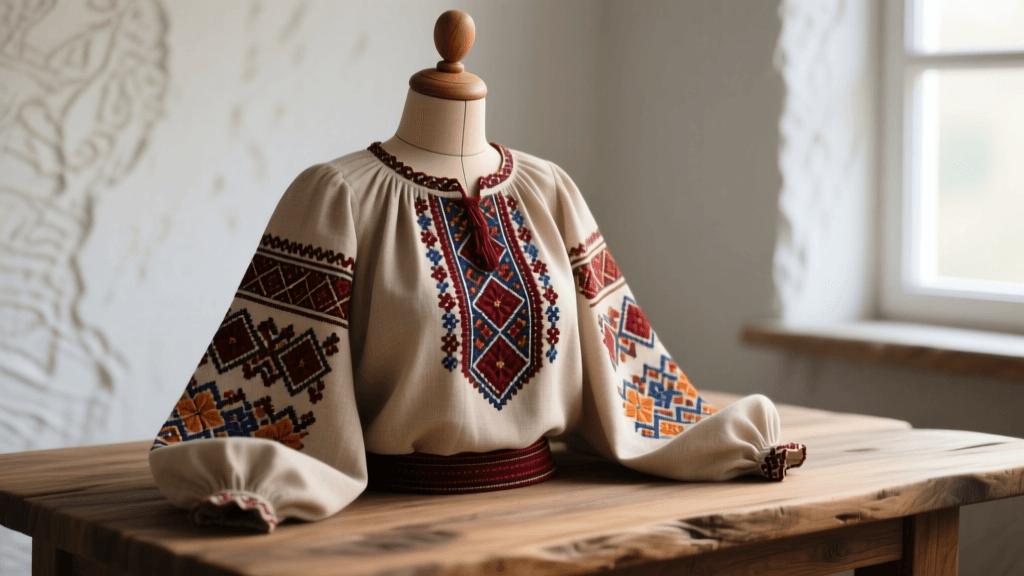
The traditional embroidered blouse of the Carpathian Mountains—known as the Vyshyvanka in Ukraine and the Ie in Romania—has experienced a profound renaissance in 2026. No longer confined to museum archives or occasional folk festivals, these masterpieces of Eastern European folk dress have firmly entered the realm of high-end slow fashion, cultural preservation, and sustainable wardrobe building. For collectors, textile enthusiasts, and cultural historians, understanding the nuanced differences between regional styles, authentic materials, and current market dynamics is essential.
As recognized by frameworks established through UNESCO's Intangible Cultural Heritage initiatives, the knowledge and skills required to create these garments are considered vital cultural expressions. In 2026, the global demand for hyper-authentic, hand-loomed, and naturally dyed Carpathian blouses has outpaced mass-produced imitations, driving a thriving artisan economy across the Hutsul, Maramureș, and Bukovyna regions. This comprehensive guide will decode the visual language of these garments, outline the exact material specifications required for authentic commissions, and provide a realistic pricing guide for the 2026 market.
Decoding Regional Motifs: A Visual Dictionary
The Carpathian basin is not a monolith; it is a patchwork of micro-cultures, each with a distinct visual vocabulary. When sourcing an authentic piece in 2026, identifying the specific regional motif is the first step in verifying its provenance.
The Hutsul Geometric Tradition
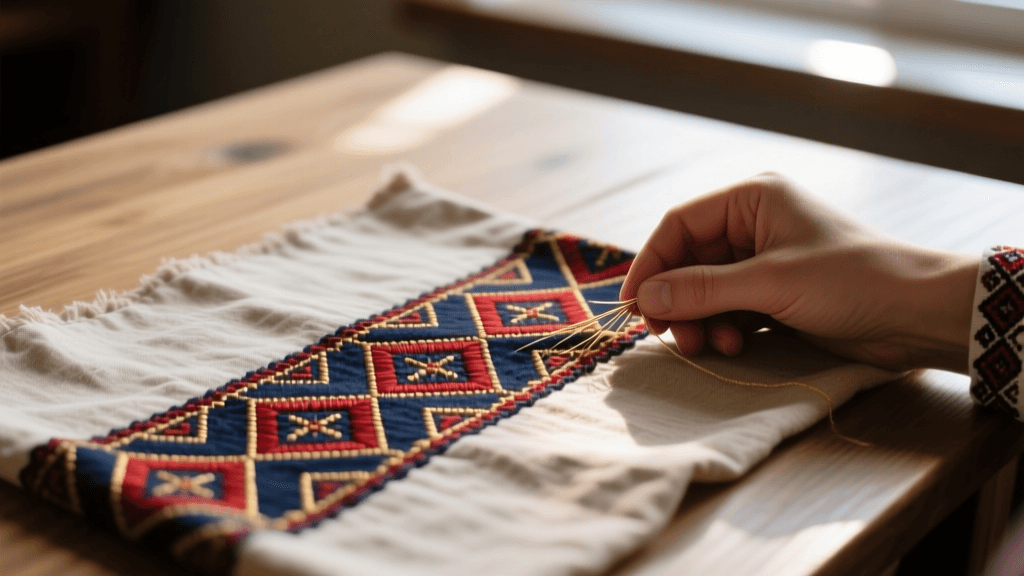
Originating from the highland Hutsul communities straddling the Ukrainian-Romanian border, this style is instantly recognizable by its dense, mathematical precision. Hutsul embroidery relies heavily on geometric forms: rhombuses (symbolizing fertility and sown fields), eight-pointed stars (the sun and cosmic order), and intricate zig-zags (water and protection). The traditional color palette is striking, utilizing deep black, vibrant red, and bright yellow or orange. In 2026, master artisans in Kosiv and Kolomyia are reviving the use of natural madder root for reds and weld for yellows, moving away from the synthetic aniline dyes that dominated the late 20th century.
Maramureș and Bukovyna Florals
Descending from the high mountains into the valleys, the aesthetic shifts dramatically. The Maramureș region is famed for its restrained, elegant monochromatic or bi-chromatic palettes. Black-on-white or deep crimson-on-white embroidery is executed with microscopic precision, often featuring stylized floral vines, oak leaves, and the 'tree of life' motif. The stitching is so fine that it resembles woven fabric rather than surface embroidery.
Conversely, the Bukovyna region embraces maximalism. Bukovynian blouses are characterized by heavy, elaborate floral patterns, often augmented with glass beadwork, metallic threads, and sequins. The Metropolitan Museum of Art's textile collections frequently highlight Bukovynian pieces for their exceptional use of cutwork and three-dimensional bead embroidery, a tradition that remains highly sought after by contemporary collectors.
Mastering the Stitches: Techniques of the Masters
Authenticity in Eastern European folk dress is defined not just by the pattern, but by the structural technique of the stitch. Modern machine embroidery relies on a uniform top-stitch, whereas traditional Carpathian methods involve complex manipulations of the warp and weft.
- Nyz (Low Stitch): A reverse-side embroidery technique where the artisan works from the back of the fabric. The resulting pattern on the front appears as a subtle, textured weave, while the back shows the bold color blocks. This is a hallmark of authentic Pokuttia and Hutsul pieces.
- Lishva (Cutwork): A highly advanced technique where threads are carefully withdrawn and cut from the linen base, and the remaining grid is wrapped and woven with thread to create open, lace-like geometric windows. In 2026, fewer than 5% of active artisans possess the skill to execute true hand-drawn thread Lishva.
- Zanyz (Backstitch): Used primarily for outlining and creating continuous linear patterns, often seen on the cuffs and collars of Romanian Ie blouses from the Sighetu Marmației area.
2026 Material Guide: Sourcing Authentic Linen and Threads
The foundation of any Carpathian blouse is the textile. The 2026 market has seen a massive shift away from standardized, chemically bleached mill linens toward artisanal, hand-spun, or small-batch loom-woven flax. The weight of the linen, measured in grams per square meter (GSM), dictates the drape of the garment and the density of the embroidery it can support.
| Component | Traditional Standard | 2026 Artisan Recommendation | Estimated 2026 Cost |
|---|---|---|---|
| Base Fabric | Hand-woven unbleached flax (220 GSM) | Organic Carpathian basin flax, semi-bleached (180-200 GSM) | $45 - $70 per meter |
| Embroidery Thread | Hand-spun wool or early mercerized cotton | Mulesing-free merino wool or long-staple Egyptian cotton | $8 - $15 per skein |
| Natural Dyes | Madder, weld, indigo, walnut husk | Certified organic botanical dyes with alum mordants | $25 - $40 per dye batch |
| Embellishments | Vintage glass beads, brass sequins | Hand-blown Murano or Jablonec glass beads, brass stamping | $30 - $60 per 50g |
When commissioning a piece in 2026, insist on a fabric weight of at least 180 GSM. Lighter linens (under 150 GSM) will pucker and distort under the weight of traditional wool thread and beadwork, compromising the structural integrity of the garment over time.
2026 Market Pricing and Artisan Sourcing
Sourcing an authentic Carpathian blouse requires navigating a landscape of cooperatives, independent masters, and secondary vintage markets. According to recent cultural heritage reports highlighted by the Smithsonian Center for Folklife and Cultural Heritage, supporting direct-to-artisan supply chains is critical for the survival of these techniques.
Commissioning vs. Vintage
In 2026, commissioning a bespoke, hand-embroidered Vyshyvanka or Ie directly from a master artisan in Ukraine or Romania is a significant investment of both time and capital. A fully hand-embroidered blouse featuring complex Nyz and Lishva techniques requires between 120 and 300 hours of labor.
- Entry-Level Artisan (Apprentice/Semi-Complex Motifs): $350 - $550 USD. Delivery time: 2-3 months.
- Master Artisan (Complex Hutsul Geometry/Cutwork): $600 - $950 USD. Delivery time: 4-6 months.
- Heritage Master (Museum-Quality, Natural Dyes, Hand-Loomed Base): $1,200 - $2,500+ USD. Delivery time: 6-12 months.
For those seeking vintage pieces (pre-1980s), the secondary market in 2026 is robust but requires careful authentication. Vintage blouses from the 1920s-1950s often feature superior hand-loomed linen but may show signs of oxidation or thread degradation. Expect to pay between $200 and $800 for authenticated vintage pieces through specialized Eastern European textile dealers.
Preservation and Archival Care
Owning an authentic piece of Eastern European folk dress comes with the responsibility of proper preservation. The natural dyes and organic fibers used in 2026 commissions are highly sensitive to modern laundering practices.
"Never subject a hand-embroidered Carpathian blouse to mechanical agitation or commercial dry cleaning. The structural tension of the Lishva cutwork will collapse, and natural madder dyes will bleed instantly in harsh chemical solvents."
Washing Protocol: Hand wash in cold water (maximum 20°C / 68°F) using a pH-neutral, enzyme-free detergent designed for delicate wools and silks. Submerge the garment gently and allow it to soak for no more than 10 minutes. Rinse in cool water and press—never wring—between clean, white cotton towels to remove excess moisture.
Drying and Ironing: Lay the blouse flat on a drying rack away from direct sunlight, which will rapidly fade botanical dyes. Iron the garment while it is still slightly damp, always on the reverse side, using a medium heat setting and a pressing cloth to protect the raised embroidery and beadwork.
Storage: Store the blouse flat in a breathable cotton garment bag. Use acid-free, archival-quality tissue paper to stuff the sleeves and bodice, preventing hard creases that can eventually snap the linen warp threads. Avoid wire or plastic hangers entirely, as the weight of the embroidery will stretch the shoulder seams over time.
Conclusion
The Carpathian embroidered blouse is far more than a garment; it is a wearable archive of Eastern European history, cosmology, and botanical science. As we move through 2026, the commitment to sourcing authentic, ethically produced Vyshyvankas and Ie blouses ensures that the master artisans of the Hutsul, Maramureș, and Bukovyna regions can continue to pass down their ancestral knowledge. By understanding the regional motifs, demanding proper material specifications, and investing in true craftsmanship, collectors and wearers alike become active participants in the living preservation of European folk dress.