Authentic Romanian Ie & Ukrainian Vyshyvanka: 2026 Buyer's Guide
The Resurgence of Eastern European Folk Dress in 2026
The global appreciation for Eastern European folk dress has reached unprecedented heights in 2026. Driven by a renewed interest in sustainable fashion, cultural preservation, and the slow-textile movement, traditional garments like the Romanian Ie (peasant blouse) and the Ukrainian Vyshyvanka (embroidered shirt) are no longer relegated to museum archives or annual folk festivals. Today, they are highly sought-after collector's items and statement pieces worn at international cultural summits, high-end galas, and contemporary heritage festivals across Europe. However, this surge in demand has also led to an influx of mass-produced, machine-embroidered replicas flooding the market. For serious collectors, cultural enthusiasts, and ethical fashion buyers, knowing how to authenticate, source, and care for genuine Slavic and Balkan textiles is more critical than ever.
Deconstructing the Romanian Ie: Anatomy and Regional Motifs
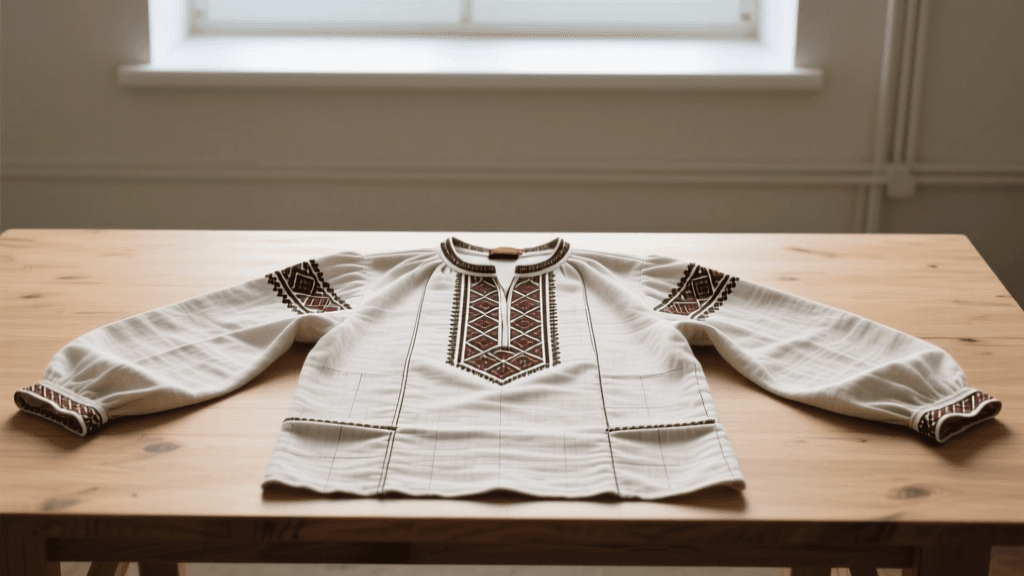
The traditional Romanian Ie is a masterpiece of structural geometry and symbolic storytelling. Hand-woven from hemp, flax, or a blend of both, the base fabric is known as pânză. The embroidery is not placed randomly; it follows a strict, centuries-old architectural layout designed to protect the wearer's vital energy points.
The Three Pillars of the Ie
- Altita (The Shoulder Panel): This is the most complex and densely embroidered section of the garment. Located on the upper sleeve, the altita traditionally features up to seven horizontal rows of geometric or floral motifs. In 2026, authentic altita pieces from the Oltenia region remain the most prized among collectors due to their intricate black-and-red thread work.
- Incret (The Neckline Gathering): The incret is the gathered, embroidered band at the neck. It serves both a structural purpose, holding the voluminous fabric together, and a decorative one, framing the face. Motifs here are usually smaller, tighter, and highly symbolic, often featuring the "tree of life" or solar crosses.
- Rauri (The Vertical Rivers): Flowing down the sleeve from the altita to the cuff, the rauri (rivers) are vertical bands of embroidery. They guide the eye downward and are believed to channel positive energy into the hands. The spacing between the rauri is just as important as the stitches themselves, representing the balance between the physical and spiritual worlds.
The Ukrainian Vyshyvanka: Decoding the Stitches and Colors
While the Romanian Ie is defined by its structural layout, the Ukrainian Vyshyvanka is celebrated for its staggering diversity of regional stitching techniques and color palettes. According to the UNESCO Intangible Cultural Heritage lists, the safeguarding of these traditional embroidery techniques is vital to understanding the ethnographic history of the Slavic peoples. Each region in Ukraine boasts a distinct visual language.
Regional Variations and Techniques
- Poltava (White-on-White): The Poltava region is famous for its ethereal white-on-white embroidery, utilizing over a hundred different stitch variations, including the lyshva (cutwork and satin stitch) and zavolikannya (running stitch). The subtle interplay of light and shadow on the textured white thread is a hallmark of master artisans.
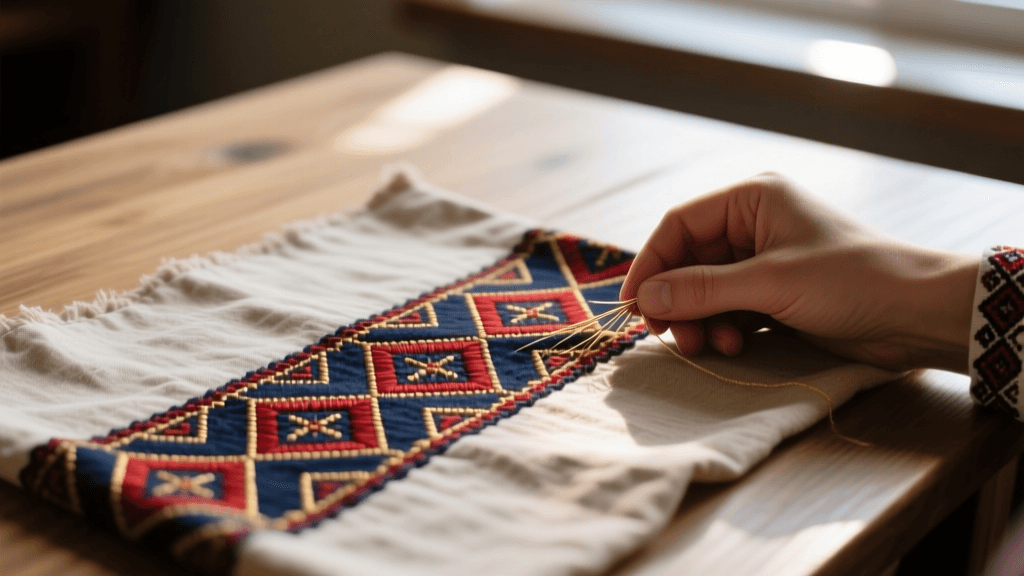
- Hutsulshchyna (The Carpathian Mountains): Hutsul embroidery is vibrant, dense, and heavily geometric. Artisans here use a rich palette of black, red, yellow, and green. The primary technique is the nyzynka, a surface darning stitch worked on the reverse side of the fabric so that the design appears on the front, creating a slightly raised, textured effect.
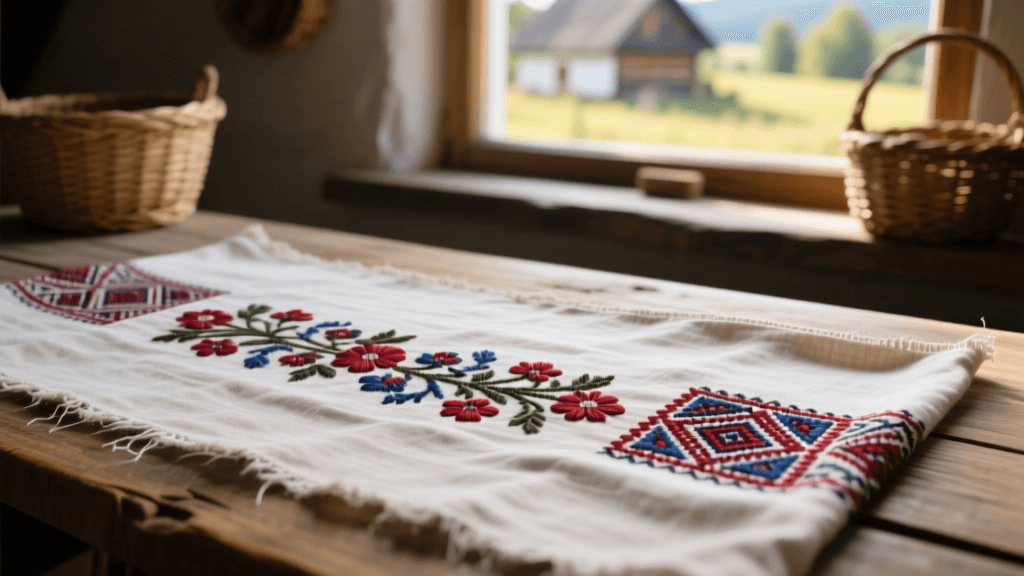
- Podillia (Cross-Stitch Mastery): In the Podillia region, the classic cross-stitch (khyrest) dominates. The motifs are often inspired by local flora, featuring stylized hops, oak leaves, and viburnum berries (kalyna), which symbolize beauty, resilience, and the continuity of the family line.
2026 Sourcing Guide: Artisan Cooperatives vs. Mass Production
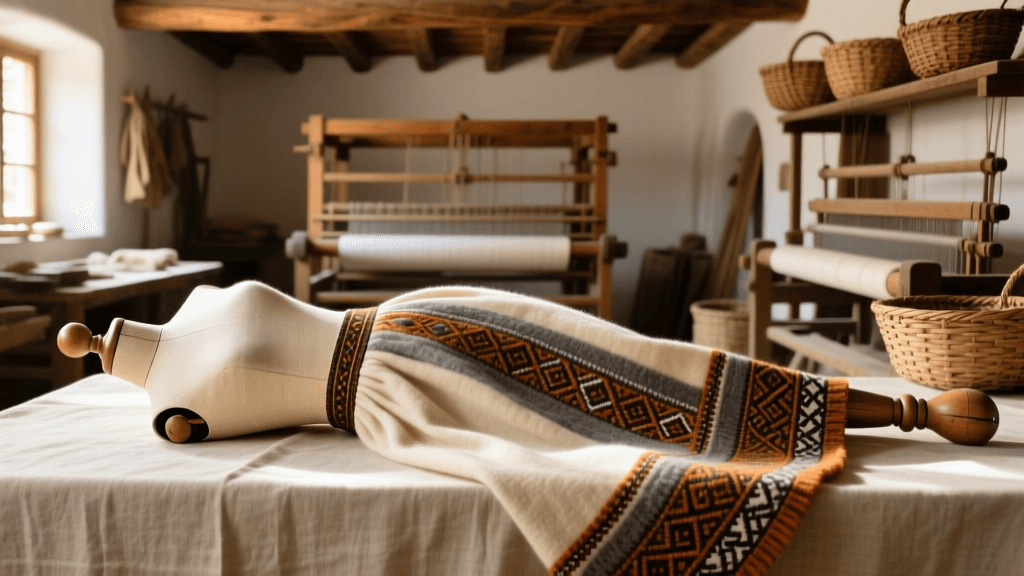
Sourcing an authentic, hand-embroidered garment in 2026 requires a discerning eye and an understanding of current market dynamics. The rise of digital marketplaces has made it easier to connect directly with artisan cooperatives in rural Romania and Ukraine, but it has also made it easier for fast-fashion brands to sell machine-made knockoffs as "handmade." As documented by the Victoria and Albert Museum's textile archives, the structural integrity and reverse-side finishing of hand-woven Balkan linen are virtually impossible to replicate with modern computerized embroidery machines.
Authentication Comparison Chart
| Feature | Authentic Handmade (2026 Market) | Mass-Produced / Machine-Made |
|---|---|---|
| Reverse Side | Neat, tidy, and nearly identical to the front. Thread paths are logical and continuous. | Messy, with visible bobbin threads, jump stitches, and white backing stabilizer paper. |
| Fabric Base | Hand-woven linen or hemp with natural "slubs" (thick and thin variations in the yarn). | Uniform, factory-milled cotton or polyester-blend with a perfectly smooth weave. |
| Motif Alignment | Slight, organic variations. Perfect symmetry is rare, proving human execution. | Pixel-perfect repetition and absolute mathematical symmetry across all motifs. |
| Current Pricing | €250 to €800+ (depending on region, age, and stitch density). | €30 to €85 (often sold as "boutique" or "festival" wear). |
| Production Time | 3 to 8 months of active stitching by a single artisan. | Under 2 hours per garment on a multi-head embroidery machine. |
Where to Source in 2026
To ensure ethical compensation and authenticity, bypass generic e-commerce platforms. Instead, look for verified artisan cooperatives. In Romania, the Măiastra cooperatives in Gorj and Vâlcea counties offer direct-to-buyer portals for heritage Ie blouses. In Ukraine, platforms affiliated with the Kyiv Textile Biennale and regional craft guilds in Lviv and Ivano-Frankivsk provide certified authentic Vyshyvankas, complete with a digital certificate of origin and the artisan's signature.
Caring for Heritage Linen and Hemp Textiles
Owning a piece of Eastern European folk art comes with the responsibility of proper preservation. The natural fibers and organic dyes used in traditional garments require specific care routines to prevent degradation, color bleeding, and fiber rot.
Washing and Cleaning Protocols
- Test for Colorfastness: Before washing, use a damp, white cotton swab to gently dab an inconspicuous area of the red or black embroidery. If any dye transfers to the swab, the garment must be dry-cleaned by a textile conservation specialist.
- Hand Wash Only: If the dyes are stable, fill a basin with cool water (never exceeding 30°C or 86°F) and add a pH-neutral, conservation-grade detergent. Avoid standard laundry detergents, which contain optical brighteners and enzymes that will degrade the historic fibers.
- Avoid Agitation: Submerge the garment and gently press the water through the fabric. Never wring, twist, or scrub the embroidered areas, as this will distort the tension of the rauri and altita stitches.
- Drying: Roll the garment in a clean, dry, white cotton towel to absorb excess moisture. Lay it flat on a mesh drying rack in a shaded, well-ventilated area. Direct sunlight will rapidly fade organic dyes and weaken the linen.
Long-Term Storage Solutions
When storing your Ie or Vyshyvanka for the off-season, never use wire hangers, which will distort the shoulder seams and crush the altita embroidery. Instead, fold the garment using acid-free, unbuffered tissue paper to cushion the folds and prevent hard creases. Place the folded garment in a 100% cotton, unbleached muslin storage bag. Avoid plastic bins entirely, as they trap moisture and emit off-gassing chemicals that yellow natural fibers over time. Finally, use natural cedar blocks or dried lavender sachets to deter pests, completely avoiding chemical mothballs which leave a toxic residue on heritage textiles.
Conclusion: Investing in Cultural Heritage
Purchasing an authentic Romanian Ie or Ukrainian Vyshyvanka in 2026 is more than a fashion choice; it is an investment in the survival of ancestral craftsmanship. By understanding the structural anatomy, regional variations, and proper conservation techniques, collectors and enthusiasts can ensure that these breathtaking examples of Slavic and Balkan folk dress continue to tell their stories for generations to come.