Sardinian Orbace Wool & Gonnella Skirts: 2026 Heritage Guide
Introduction to Sardinian Textile Heritage in 2026
As we navigate the global fashion landscape in 2026, the demand for authentic, sustainably crafted regional garments has reached an all-time high. Among the most captivating and historically rich textile traditions in Europe is the folk dress of Sardinia, Italy. Far from being relegated to museum displays or tourist performances, Sardinian traditional garments are experiencing a profound renaissance. At the heart of this revival are Orbace wool and the meticulously pleated Gonnella skirt. This comprehensive guide explores the construction, heritage brands, and modern sourcing of these iconic garments, offering actionable insights for collectors, cultural historians, and slow-fashion enthusiasts.
The Enduring Legacy of Orbace Wool
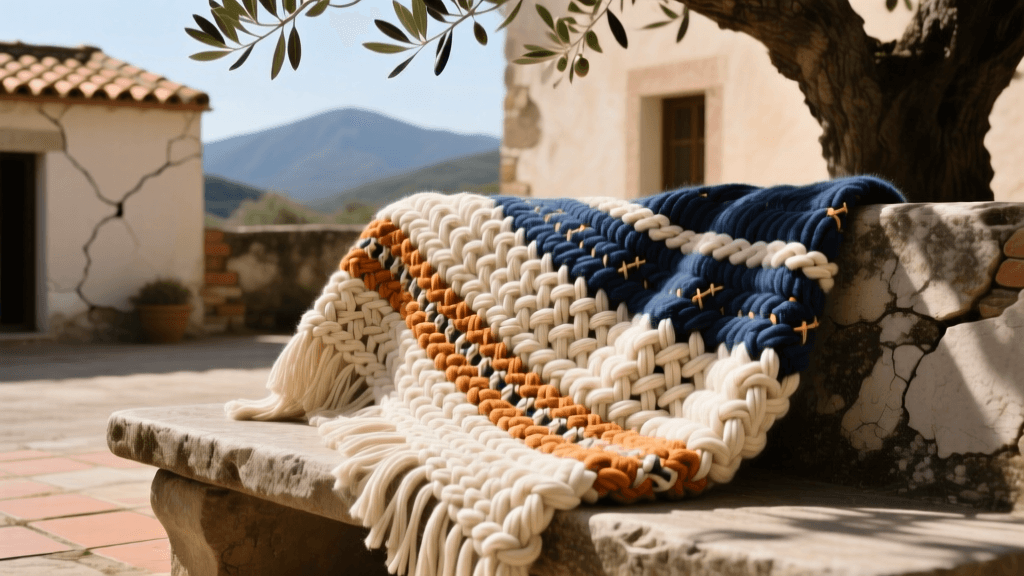
To understand Sardinian folk dress, one must first understand Orbace (or Orbaci). Orbace is a coarse, highly durable, and naturally water-resistant wool fabric woven from the fleece of indigenous Sardinian sheep breeds. Historically, it was the foundational textile for the island's rural population, prized for its ability to withstand the harsh, windy conditions of the Mediterranean interior and the rugged terrain of the Gennargentu mountains.
The Traditional Weaving Process
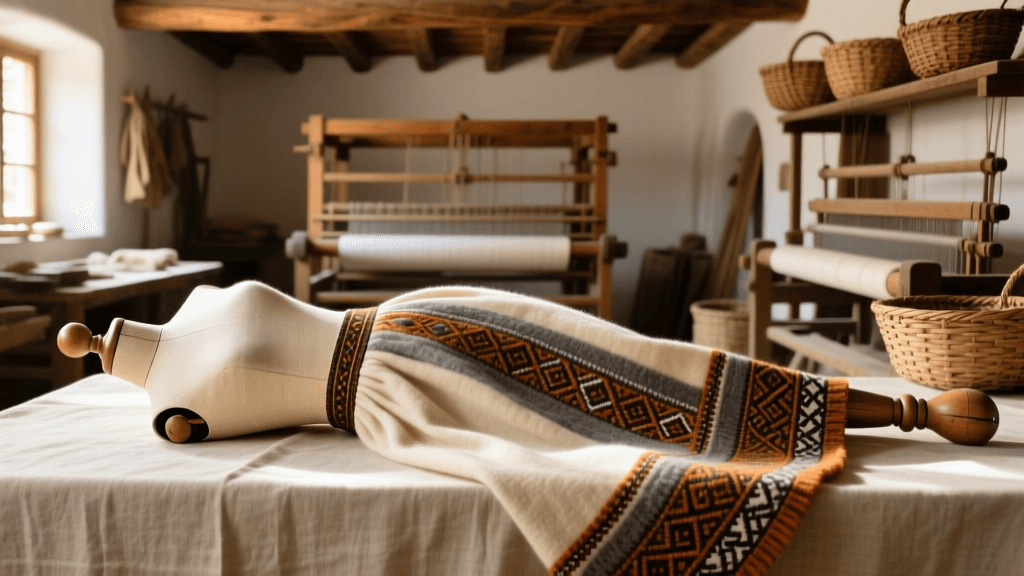
The creation of authentic Orbace is a labor-intensive process that has remained largely unchanged for centuries. In 2026, heritage cooperatives still utilize traditional horizontal wooden looms. The raw wool is sheared, washed in natural streams to retain its protective lanolin oils, and spun by hand or using antique spinning wheels. The resulting yarn is thick and uneven, giving Orbace its characteristic rustic texture. According to cultural preservation data from Sardegna Cultura, the retention of lanolin is what grants the fabric its legendary water-repellent qualities, making it a highly functional garment material long before the invention of synthetic waterproofing.
Natural Dyeing Techniques
While raw Orbace is often left in its natural shades of cream, grey, and deep brown, artisanal dyers in villages like Samugheo and Nuoro utilize local botanicals. Madder root (Rubia tinctorum) produces deep rust and terracotta reds, while walnut husks yield rich, dark browns. In 2026, the push for ecological sustainability has made these natural dyeing methods highly sought after by international textile collectors.
Anatomy of the Gonnella: Pleats and Precision
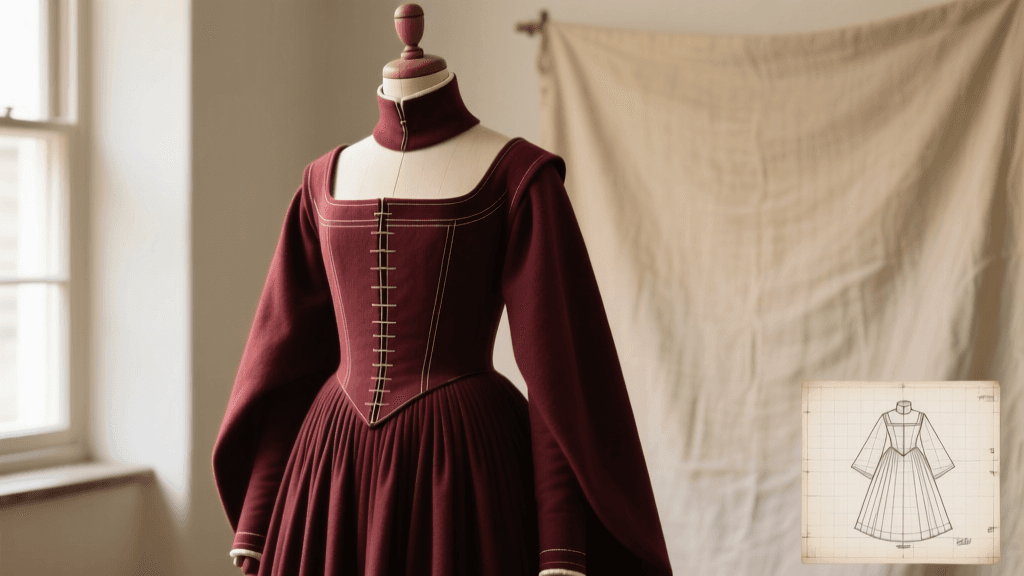
The Gonnella is the quintessential Sardinian skirt, a masterpiece of tailoring and textile manipulation. Worn primarily by women, the Gonnella is characterized by its dense, intricate pleating and heavy use of fabric, often requiring up to six meters of finely woven wool or cotton-linen blends, depending on the specific regional variant.
Regional Variations
- The Nuoro Gonnella: Typically crafted from heavier Orbace wool or dark cotton, featuring tight, accordion-style pleats that provide warmth and structure. It is often trimmed with vibrant silk ribbons in red and green.
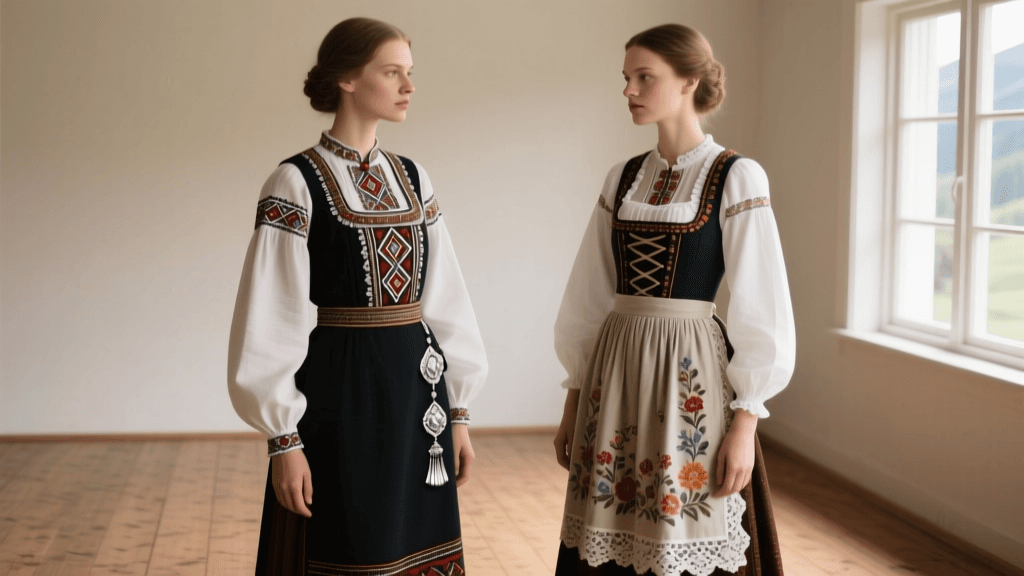
- The Desulo Variant: Known for its striking use of color and elaborate embroidery. The skirts from this highland region often incorporate heavier velvet trims and are designed to flare dramatically during traditional circle dances like the Ballu Tundu.
- The Campidano Style: Found in the warmer southern plains, these skirts utilize lighter linen-cotton blends with wider, softer pleats, often paired with intricate lace aprons.
The Art of Plettitura (Pleating)
The pleating process, or plettitura, is a specialized skill passed down through generations. Artisans use a combination of hot stones, wooden pressing blocks, and natural starches to set the pleats permanently. In 2026, master pleaters are among the most respected and highly compensated artisans in the Sardinian textile network, as the mechanical precision required cannot be easily replicated by modern factory machinery without losing the garment's soul and structural integrity.
Top Heritage Brands and Cooperatives in 2026
For those looking to acquire authentic Sardinian garments, navigating the market requires an understanding of the island's artisanal networks. The mass market is flooded with "folk-inspired" fast fashion, but true heritage pieces are produced by dedicated cooperatives and certified ateliers.
Tessitura Mariantonia Sedda (Samugheo)
Located in the weaving capital of Samugheo, the Tessitura Mariantonia Sedda is a legendary cooperative. While globally renowned for their pibiones (grain) weave rugs and tapestries, their 2026 capsule collections of wearable folk textiles—including Orbace wool shawls and contemporary adaptations of the Gonnella skirt—are masterclasses in heritage preservation. Purchasing directly from their atelier ensures that you are supporting a women-led cooperative that reinvests profits into local loom restoration and apprentice training.
The ISOLA Certification Network
The most critical resource for buyers in 2026 is the ISOLA mark. The Istituto Sardo Organizzazione Lavoro Artigiano (ISOLA) is the regional body responsible for certifying authentic Sardinian crafts. When sourcing a Gonnella skirt or an Orbace wool vest (Mastruche), always look for the ISOLA certification tag. This guarantees that the garment was handcrafted on the island using traditional methods and locally sourced materials, protecting your investment against imported imitations.
Sourcing Authentic Garments: 2026 Market Comparison
Understanding the pricing and quality tiers in the current market is essential for collectors and cultural enthusiasts. Below is a comparative analysis of the 2026 Sardinian folk garment market.
| Feature | Fast-Fashion "Folk" Skirts | Certified ISOLA Artisan Gonnella | Vintage/Antique Orbace (Pre-1980) |
|---|---|---|---|
| Material | Synthetic blends, machine-woven polyester | 100% indigenous Sardinian sheep wool, hand-loomed | Aged Orbace wool, naturally oxidized lanolin |
| Pleating Technique | Machine-pressed, heat-set chemicals | Hand-pressed with wooden blocks and natural starch | Historical hand-pleating, often requires restoration |
| Water Resistance | None (absorbs moisture rapidly) | High (retains natural lanolin oils) | Moderate to High (depends on storage conditions) |
| 2026 Price Range (EUR) | €45 - €120 | €850 - €2,400+ | €400 - €1,500 (Auction/Antique dealers) |
| Cultural Provenance | None (mass-produced overseas) | Documented artisan, ISOLA certified | Historical artifact, requires authentication |
Practical Care and Modern Styling
Owning an authentic Orbace wool garment or a traditional Gonnella requires specific care protocols to ensure its longevity. The very qualities that make Orbace durable—its coarse weave and lanolin content—mean it reacts poorly to modern chemical dry cleaning.
Maintenance Best Practices
- Avoid Traditional Dry Cleaning: The harsh solvents used in standard dry cleaning will strip the wool of its natural lanolin, destroying its water resistance and leaving the fibers brittle. In 2026, seek out specialized eco-friendly wet cleaners who understand heritage wools.
- Airing and Brushing: The traditional Sardinian method of garment care remains the best. Hang the skirt or vest outside on a dry, breezy day to naturally release odors and moisture. Use a soft-bristled natural boar-bristle brush to gently remove dust from the deep pleats.
- Storage: Store Orbace garments in breathable cotton garment bags. Always include blocks of untreated cedarwood or dried lavender to naturally repel moths, which are highly attracted to the organic proteins in sheep's wool.
Styling Heritage Pieces Today
While the full traditional Sardinian costume is reserved for festivals like Sagra di Sant'Efisio or Cavalcata Sarda, individual heritage pieces can be beautifully integrated into a modern, slow-fashion wardrobe. An authentic Orbace wool vest (Mastruche) pairs exceptionally well with modern selvedge denim and heavy leather boots, providing a striking, textural contrast. Similarly, a hand-pleated artisan skirt can be styled with a simple, tailored linen blouse, allowing the intricate plettitura and natural dyes to serve as the focal point of the ensemble.
Conclusion
The Sardinian textile tradition is a testament to the resilience of European folk dress. As we move through 2026, the dedication of local cooperatives and the stringent protections offered by the ISOLA network ensure that the Orbace wool and Gonnella skirt remain living, breathing elements of cultural heritage rather than mere historical footnotes. By investing in certified, artisan-crafted garments, collectors and fashion enthusiasts alike play a vital role in sustaining the rural economies and ancient weaving techniques of this extraordinary Mediterranean island.