Sardinian Pibiones Weaving & Heritage Garment Brands 2026
The Enduring Legacy of Sardinian Folk Dress
Italy’s global sartorial reputation often leans heavily toward Milanese tailoring, Florentine leather, or Neapolitan shirting. Yet, the rugged, windswept island of Sardinia harbors one of Europe’s most complex, isolated, and fiercely protected folk dress traditions. In 2026, the global appetite for slow fashion, traceable supply chains, and artisanal heritage has propelled Sardinian regional garments into the international spotlight. At the very heart of this cultural revival is pibiones (or pibionis), a mesmerizing, raised weaving technique that transforms raw, indigenous orbace wool into wearable, textured art.
For collectors, historians, and conscious consumers in 2026, understanding the nuances of Sardinian textiles is no longer just an academic exercise; it is a pathway to acquiring some of the most meticulously crafted heritage garments in the Mediterranean. This guide explores the anatomy of traditional Sardinian dress, the mechanics of pibiones weaving, and the heritage brands keeping these ancient looms active today.
The Anatomy of the Traditional Sardinian Ensemble
The traditional Sardinian folk dress varies wildly from the mountainous Barbagia region to the sweeping plains of the Campidano. However, the unifying textile element in many central and northern villages is the heavy, fringed shawl, paired with a structured bodice and a meticulously pleated skirt. Historically, these garments served as vital protection against the harsh Mediterranean winters and the biting maestrale wind that sweeps across the island.
The Scialle (Shawl) and Pannedda
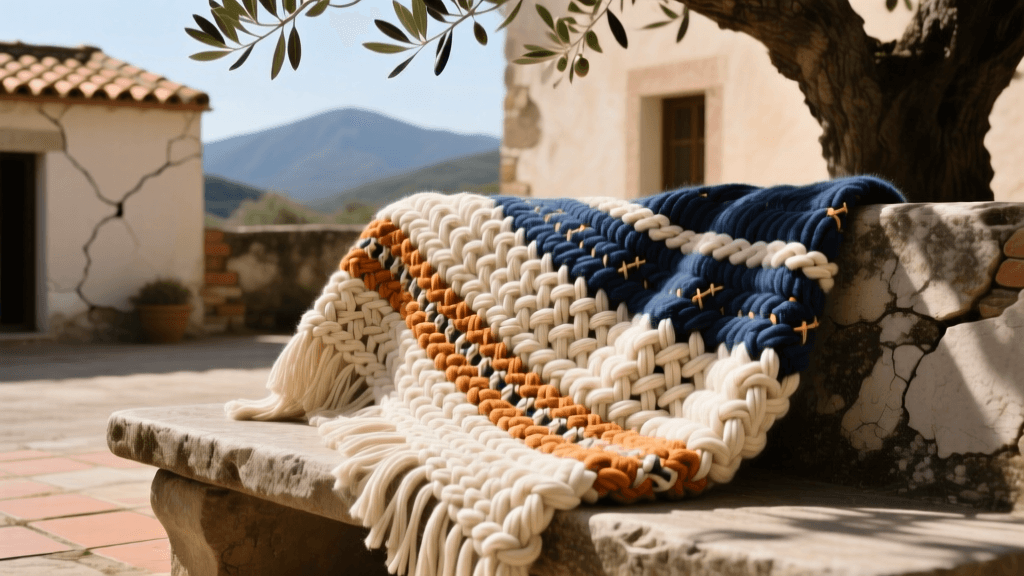
The scialle (shawl) or pannedda is the outer layer where the weaver’s skill truly shines. Traditionally woven from dark, un-dyed sheep's wool, the shawl is heavily embellished with pibiones motifs along the borders and finished with long, hand-twisted fringes. In 2026, contemporary heritage brands are adapting these heavy historical pieces into lighter, everyday luxury wraps, maintaining the structural integrity of the traditional loom work while adjusting the drape for modern wardrobes.
The Gonnella Skirt
The gonnella (or gunnedda) is the foundational skirt of the Sardinian folk ensemble. Unlike the bodice, which varies wildly in color and embroidery from village to village, the gonnella is traditionally crafted from heavy, dark orbace wool or coarse linen. It is heavily pleated at the waist and hemmed with vibrant, contrasting silk or satin ribbons. In the village of Desulo, the skirt features striking red and black bands, while in Ovodda, the pleating is so dense it creates a rigid, bell-like silhouette. Today, heritage tailors are reinterpreting the gonnella’s pleating techniques for modern high-waisted midi skirts, preserving the structural volume but utilizing lighter, breathable merino-wool blends for urban wear.
The Imbustu (Bodice) and Camisa (Blouse)
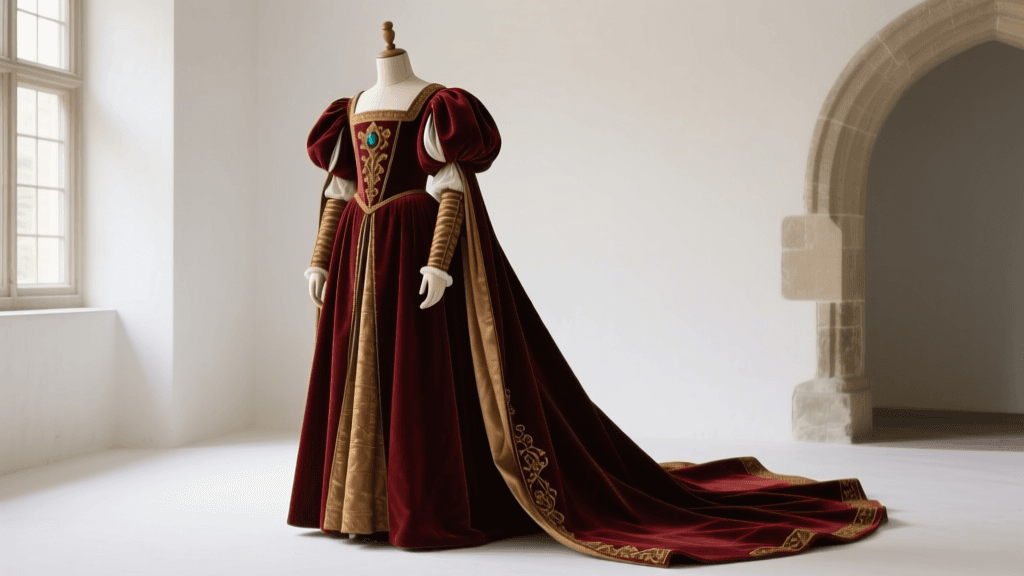
Beneath the shawl lies the camisa, a stark white linen blouse featuring expansive, gathered sleeves and intricate lace or embroidery at the cuffs. Over this sits the imbustu, a tightly fitted, heavily boned bodice often covered in velvet or brocade. The imbustu is laced at the front or back with silk cords, providing a striking contrast to the voluminous sleeves of the blouse and the heavy drape of the shawl.
Decoding the Pibiones Weaving Technique
The term pibiones translates roughly to 'grains' or 'seeds' in the Sardinian dialect. The technique involves a supplementary weft thread that is wrapped around a smooth wooden or metal rod laid horizontally across the warp threads. When the rod is carefully removed, the thread forms a raised, three-dimensional bump that resembles a grape seed or a grain of wheat.
This is not merely a decorative flourish; the raised texture historically added crucial thickness, insulation, and durability to the coarse orbace wool. Orbace itself is a traditional Sardinian fabric woven from the wool of indigenous sheep breeds, celebrated for its natural water-resistant and rugged qualities. Creating a single, authentic pibiones shawl on a traditional wooden floor loom can take an artisan anywhere from 60 to 150 hours, depending on the density and complexity of the geometric motifs. According to cultural preservation data published by the Sardegna Cultura portal, fewer than 300 master weavers on the island still practice this specific raised-grain technique on manual looms, making their output highly sought after by textile collectors.
Natural Dyes: The Colors of the Sardinian Earth
While the base of many traditional garments relies on the natural brown, black, and cream hues of indigenous sheep, the vibrant accents of Sardinian folk dress are historically derived from local flora. In 2026, the most prestigious heritage brands have returned to these botanical dye vats, abandoning synthetic aniline dyes to meet the demands of eco-conscious luxury consumers.
- Walnut Husks (Mallo di Noce): Used to achieve deep, rich browns and near-blacks, essential for the base of the gonnella and men's traditional trousers (ragas).
- Madder Root (Rubia Tinctorum): Cultivated locally to produce striking terracotta reds and deep crimsons, often used for the silk ribbons hemming the skirts.
- Pomegranate Rinds and Saffron: Yielding brilliant yellows and golds, reserved for the most festive bodices and headscarves.
- Weld (Reseda Luteola): A wild-growing plant that provides a soft, colorfast green, frequently seen in the embroidered cuffs of the camisa.
Top Heritage Brands and Artisan Cooperatives in 2026
If you are looking to acquire authentic Sardinian garments or textiles, it is vital to bypass the mass-produced tourist souvenirs and commission directly from established cooperatives and heritage ateliers. The Istituto Superiore Regionale Etnografico (ISRE) in Nuoro remains the ultimate institutional authority on these crafts, frequently collaborating with guilds to certify authentic regional textiles.
Cooperativa Tessile di Samugheo
The village of Samugheo is widely recognized as the undisputed capital of Sardinian weaving. The local cooperative has modernized its business model for 2026, offering direct-to-consumer online commissions and virtual loom tours. Their master weavers still use century-old wooden looms to produce authentic pibiones bedspreads, shawls, and fabric yardage. A standard 2026 commission for a hand-woven scialle requires a lead time of four to six months, reflecting the painstaking reality of manual weaving.
Atelier Chent'Annos
Operating as a bridge between historical ethnography and contemporary fashion, Atelier Chent'Annos focuses on revitalizing the imbustu (bodice) and traditional embroidery. They utilize archival patterns from the late 19th century but construct the garments using modern, ergonomic tailoring techniques. Their 2026 capsule collection features velvet bodices with hand-stitched gold threadwork, designed to be worn over modern silk blouses for evening wear.
Tessitura Artigianale di Bonorva
Located in the northern Logudoro region, this atelier specializes in the lighter, more intricate linen and cotton weaves used for summer folk festivals. While Samugheo is famous for heavy wool, Bonorva’s weavers excel in creating delicate, raised-thread cotton shawls that mimic the pibiones effect on a much finer, breathable scale, perfect for the Mediterranean summer climate.
2026 Market Pricing and Buying Guide
Understanding the market is crucial for buyers in 2026. The influx of imported, machine-made imitations has made authentication a necessary skill. Below is a comparative breakdown of what to expect when shopping for Sardinian pibiones textiles and garments.
| Category | Production Method | Materials | Estimated 2026 Price (EUR) | Lead Time |
|---|---|---|---|---|
| Authentic Artisan Scialle | 100% Hand-woven on wooden floor loom | Indigenous Orbace wool, natural dyes | €850 - €1,400 | 3 - 6 Months |
| Semi-Artisanal Wrap | Hand-finished, mechanized base weave | Merino wool blend, synthetic accents | €250 - €450 | 2 - 4 Weeks |
| Tourist Market Imitation | Fully machine-woven, embossed texture | Acrylic / Polyester blends | €40 - €90 | Immediate (Retail) |
| Heritage Gonnella Skirt | Hand-pleated, hand-sewn silk hems | Heavy wool, silk ribbon | €600 - €1,100 | 2 - 5 Months |
Care and Maintenance of Orbace Wool
Acquiring an authentic orbace wool garment is an investment in European textile history, and proper maintenance is essential to preserve its structural integrity and natural lanolin coating. Because orbace is a coarse, un-chemically-treated wool, it is naturally resistant to water and odors, but it requires specific care protocols.
- Avoid Machine Washing: Never place a hand-woven pibiones shawl in a washing machine. The agitation will cause the coarse fibers to felt and shrink, destroying the raised grain texture.
- Spot Cleaning and Airing: For minor stains, use a damp cloth with a pH-neutral wool soap. To refresh the garment, hang it outside in a shaded, breezy area; the natural lanolin in the wool will release trapped odors.
- Professional Dry Cleaning: If a full clean is necessary, seek a dry cleaner who specializes in heritage textiles and ethnographic garments. Inform them of the raised pibiones weft so they do not use heavy mechanical presses that will flatten the 'grains'.
- Storage: Store the shawl flat or loosely rolled in acid-free tissue paper. Avoid hanging heavy orbace shawls on wire hangers for long periods, as the weight of the wet-cleaned wool can distort the warp threads over time.
Conclusion: Wearing History in the Modern Era
The survival of Sardinian folk dress in 2026 is a testament to the resilience of the island's artisans. By supporting heritage cooperatives in Samugheo, Bonorva, and beyond, consumers do more than acquire a beautiful garment; they fund the transmission of an ancient, tactile language from one generation to the next. Whether draped over the shoulders as a heavy scialle or reinterpreted as a modern, pleated midi skirt, the pibiones weave remains a powerful symbol of Sardinian identity, proving that true regional heritage can seamlessly transcend time and trend.